

A quick look at how small, everyday rituals stitch families together and build lasting bonds.
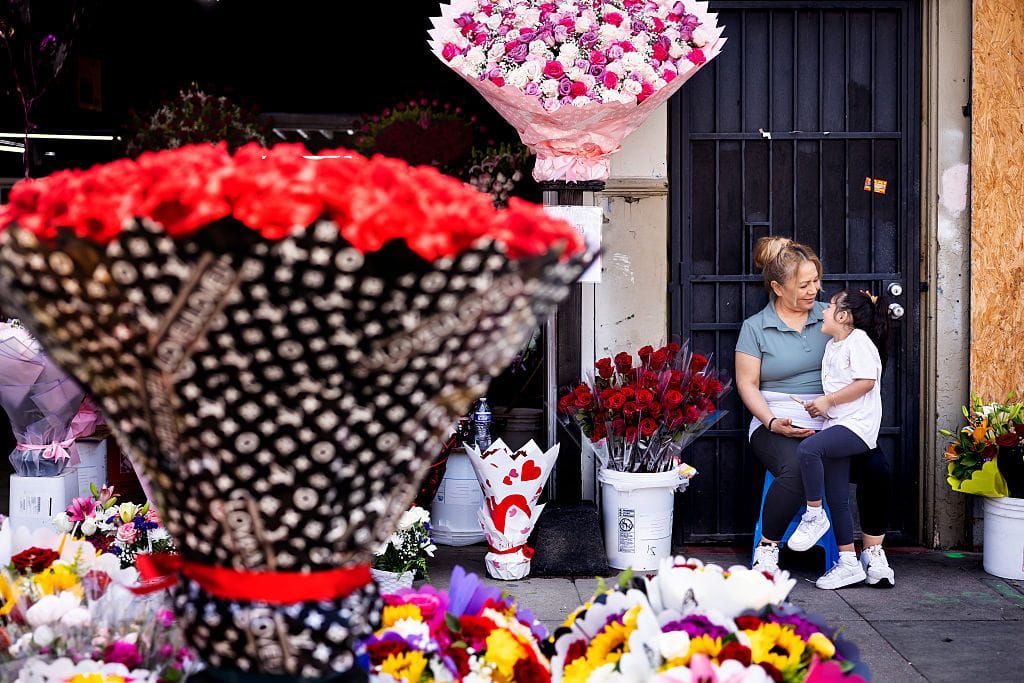
Those small gestures, like a handwritten Mother’s Day card tucked into a bouquet of flowers, a favorite family recipe passed down through generations, or simply gathering around the dinner table together, do more than mark moments. They act as repeating signals that say who belongs, what matters, and how people are loved.
Rituals create a predictable rhythm in lives that are often messy and unpredictable, and that predictability gives kids and adults alike something reliable to hold on to. When a family keeps coming back to the same simple acts, those acts gain meaning over time and become shorthand for care and continuity. Over years, the repetition turns small habits into anchors that weather the ordinary stresses of work, school, and change.
Food is one of the most tangible carriers of memory and identity in many households, and a favorite family recipe is a compact history lesson you can eat. Passing down a recipe teaches technique and taste, but it also passes stories about who cooked it, when it mattered, and why it became part of the family. The act of making the dish together transforms the recipe into a living thread that ties generations to one table and a shared set of flavors.
Handwritten notes and cards deserve a special mention because they are deliberate and personal in a way texts rarely are, and placing a Mother’s Day card inside a bouquet of flowers is a ritual that combines the physical and the emotional. That tactile moment of unfolding a card, reading the handwriting, and holding the paper creates a pause in the day that stores affection. Those pauses accumulate into a larger sense of being seen, which is the core of why rituals matter.
The dinner table is an everyday stage where rituals play out in plain sight, and the act of gathering together to eat creates regular opportunities for connection without needing spectacle. Conversation at the table can be messy and short, but the habit of showing up establishes a baseline of togetherness that outlasts any single argument or busy week. Over time, those simple shared meals map the arc of family life and give parents a natural way to model values and attention.
Rituals don’t have to be big or costly to be effective; often the opposite is true, and the smallest actions carry the most weight simply because they repeat. A consistent bedtime story, a particular way of celebrating a birthday, or a family joke that resurfaces every holiday becomes a source of internal stability for children and adults alike. It’s not the grand gesture that matters most, but the steady signal that home is a place with patterns you can rely on.
Transmission of values happens quietly through these routines, and they shape what kids take into the world more than many speeches or rules can. When families make time for small rituals, they send clear cues about priorities like respect, gratitude, and responsibility in a way that is felt rather than argued. Those cues help children learn how to belong and how to treat others, because the lessons are embedded in action instead of framed as abstract ideas.
Even during disruptions like moves, job changes, or school transitions, rituals offer a portable sense of normalcy that people can carry with them and recreate in new settings. A recipe can move with a box, a card can travel in a drawer, and a shared way of saying grace or telling a story can transplant into a different kitchen. These portable pieces of culture make it easier to rebuild routines after upheaval and keep relationships resilient through life’s shifts.

