

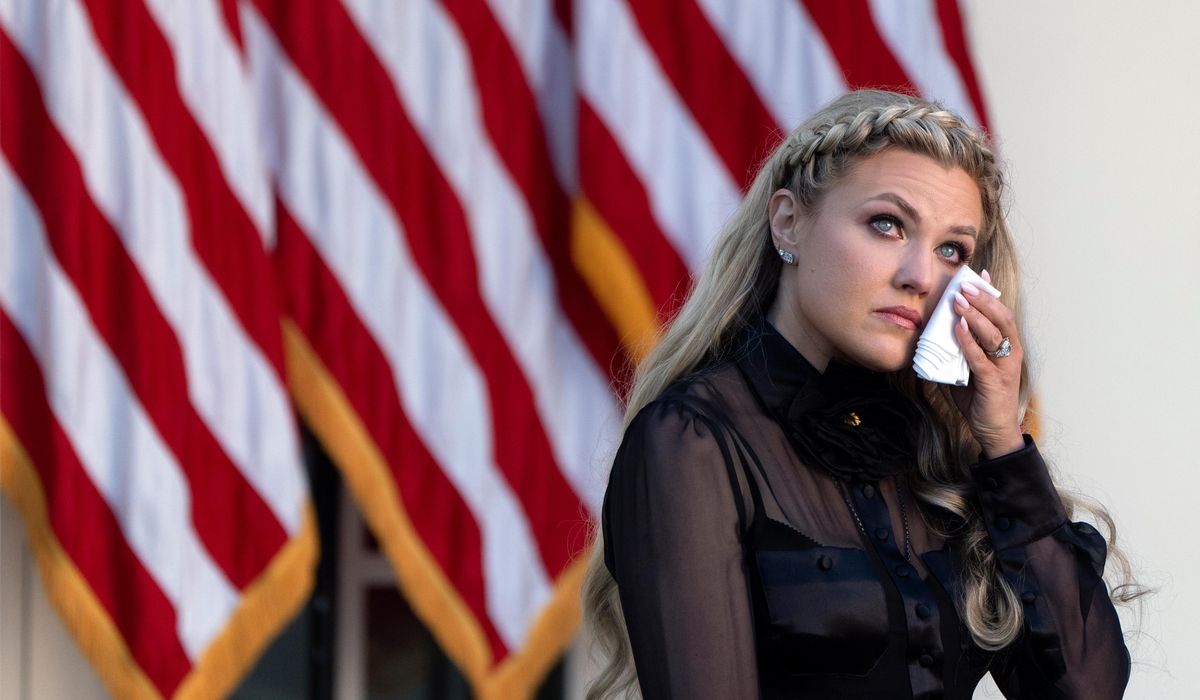
Erika Kirk, widow of Turning Point USA co-founder Charlie Kirk, is asking for cameras to be allowed in the courtroom for the murder trial of the person accused of killing her husband, a request that raises questions about transparency, media access, and how high-profile cases should be handled in open court.
Erika Kirk, the widow of Turning Point USA co-founder Charlie Kirk, wants to have cameras in the courtroom during the murder trial of her husband’s accused assassin. Her request puts a spotlight on how the justice system balances public interest with courtroom procedure. This is a high-profile case with people watching closely for fairness and clarity. The family is asking for visibility in how the proceedings unfold.
For families and the public, cameras promise a clear record and an immediate view of what happens inside. Allowing cameras can curb misinformation and provide a firsthand look at testimony and rulings. That can be important when a widely known figure is involved and speculation runs ahead of facts. At the same time, transparency is only useful if it does not undermine a fair trial.
Rules about cameras in courtrooms vary widely across the country and depend on judges who weigh many factors. Courts evaluate whether cameras would disrupt proceedings, influence witnesses, or prejudice jurors. Some jurisdictions allow pooled or limited coverage, while others ban electronic recording entirely. The decision rests with the judge, who must reconcile public access with legal protections.
From the perspective of the victim’s family, a visible courtroom can feel like accountability in real time. Erika Kirk’s request signals a desire for openness and a public record that matches what actually happens in court. Families often worry that closed proceedings leave gaps filled by rumor and partisan spin. Having an accurate, observable record can reduce that uncertainty.
There are legitimate concerns about courtroom cameras turning trials into spectacles. Cameras might affect witness candor or encourage grandstanding from attorneys or spectators. Defense teams can argue that intense media coverage risks prejudice and makes a fair jury harder to assemble. Judges must consider whether the presence of cameras serves justice or simply feeds a sensational narrative.
Writing from a Republican viewpoint, the case underscores the value of transparency and a skeptical eye toward secrecy. Public confidence in institutions improves when people can see the process work in daylight, not behind closed doors. The press has a role in keeping government and the courts accountable, and responsible coverage helps citizens evaluate outcomes. At the same time, protecting the defendant’s right to a fair trial is also a conservative value tied to due process.
Practical solutions exist that try to balance these competing interests. Courts can permit single-camera, pool coverage or delayed broadcasts that remove identifying details for jurors and certain witnesses. Rules can prohibit close-ups or audio enhancements that would dramatize testimony. Judges can set strict boundaries on when and how recordings are used to minimize disruption while preserving public access.
There will be debate among legal experts, media organizations, and civil liberties groups about the right path forward. Some will argue that any camera is too much, while others will say only full transparency will prevent false narratives. The judge’s upcoming decisions will test where the line is drawn in real time. Parties on both sides will present arguments grounded in law, precedent, and concern for fairness.
The choice about cameras ultimately rests on whether the court believes their presence will enhance the integrity of the process or harm it. As the case moves toward hearings and pretrial motions, that assessment will take shape. The public will watch how the system responds to a high-profile request for openness. What happens next will set a tone for how similar cases are handled in the future.

