

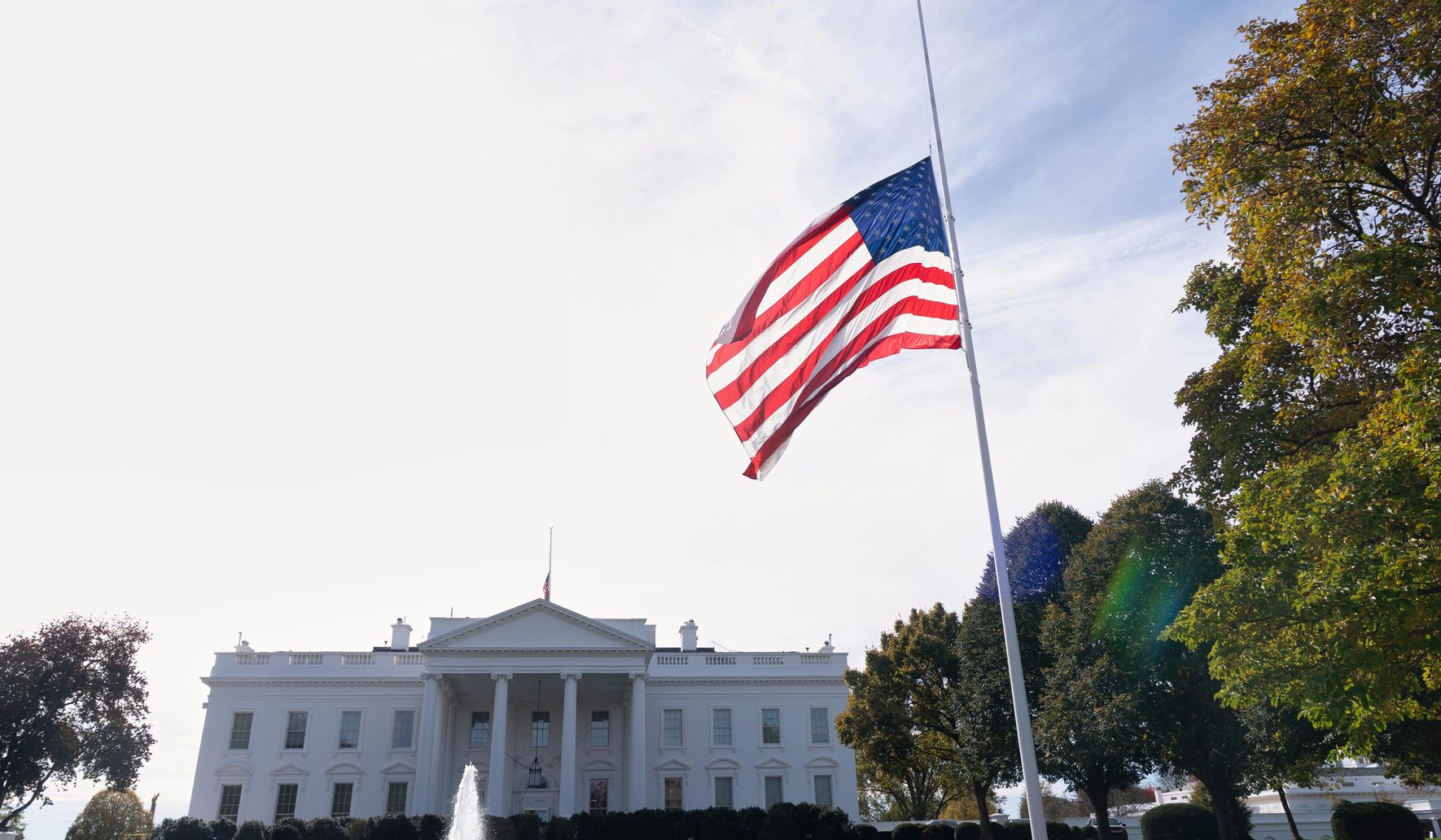
The passing of former Vice President Dick Cheney was met with a notably muted response from the White House, even as his public endorsements and family criticism have kept him in the political conversation.
The news of Dick Cheney’s death landed across the political landscape and raised questions about how institutions mark the end of an era. Cheney served as vice president during turbulent times and remained a prominent figure in debates over national security. His profile and the positions he held made the way Washington reacted a matter of public interest.
The White House was largely silent about the death of former Vice President Dick Cheney, who endorsed Vice President Kamala Harris in the 2024 election and whose daughter was a fierce critic of the president. That combination of actions made Cheney an unusual and complicated public figure in his final years. Silence from the current administration felt striking to many who expected at least a formal acknowledgement in recognition of his office.
For conservatives who admired Cheney’s role in shaping post-9/11 policy, the quiet response was hard to swallow. His defenders point to decades of service on national security matters and argue respect for the office should outlive political disputes. Many on the right see a clear line between partisan difference and the basic duty to honor those who served at the highest levels.
Others note the dissonance created by Cheney’s endorsement of Vice President Harris in 2024, which complicated partisan expectations. Endorsements cross party lines rarely, and when a figure like Cheney breaks ranks it changes how both sides respond. The endorsement did not erase his record, but it did alter perceptions and may have contributed to the restrained tone out of the administration.
Cheney’s daughter, who has been an outspoken critic of the president, added another layer to the story. Family statements and public sparring kept the family name in headlines and reminded observers that political disagreements often play out in personal ways. That reality makes any official silence from Washington more noticeable because it contrasts with the public intensity surrounding the family.
From a Republican viewpoint, the expectation is simple: institutions show basic respect for predecessors regardless of partisan disagreements. Acknowledging a former vice president’s passing is a small step that honors the office and the country. When that step is skipped or subdued, it feeds a broader sense that political calculation sometimes outweighs the customary courtesies that bind a functioning republic.
The response to Cheney’s death also speaks to how modern politics manages legacy. Leaders who served during contentious times leave complicated records, and the current political climate elevates those complications into public tests of character. Observers will keep watching how parties and institutions reconcile past service with present politics and what that reconciliation says about public life going forward.

