

U.S. forces struck two suspected narco boats in the eastern Pacific, an operation that led to multiple deaths and has sparked questions about rules of engagement, intelligence support, and the bigger fight against narcotics at sea.
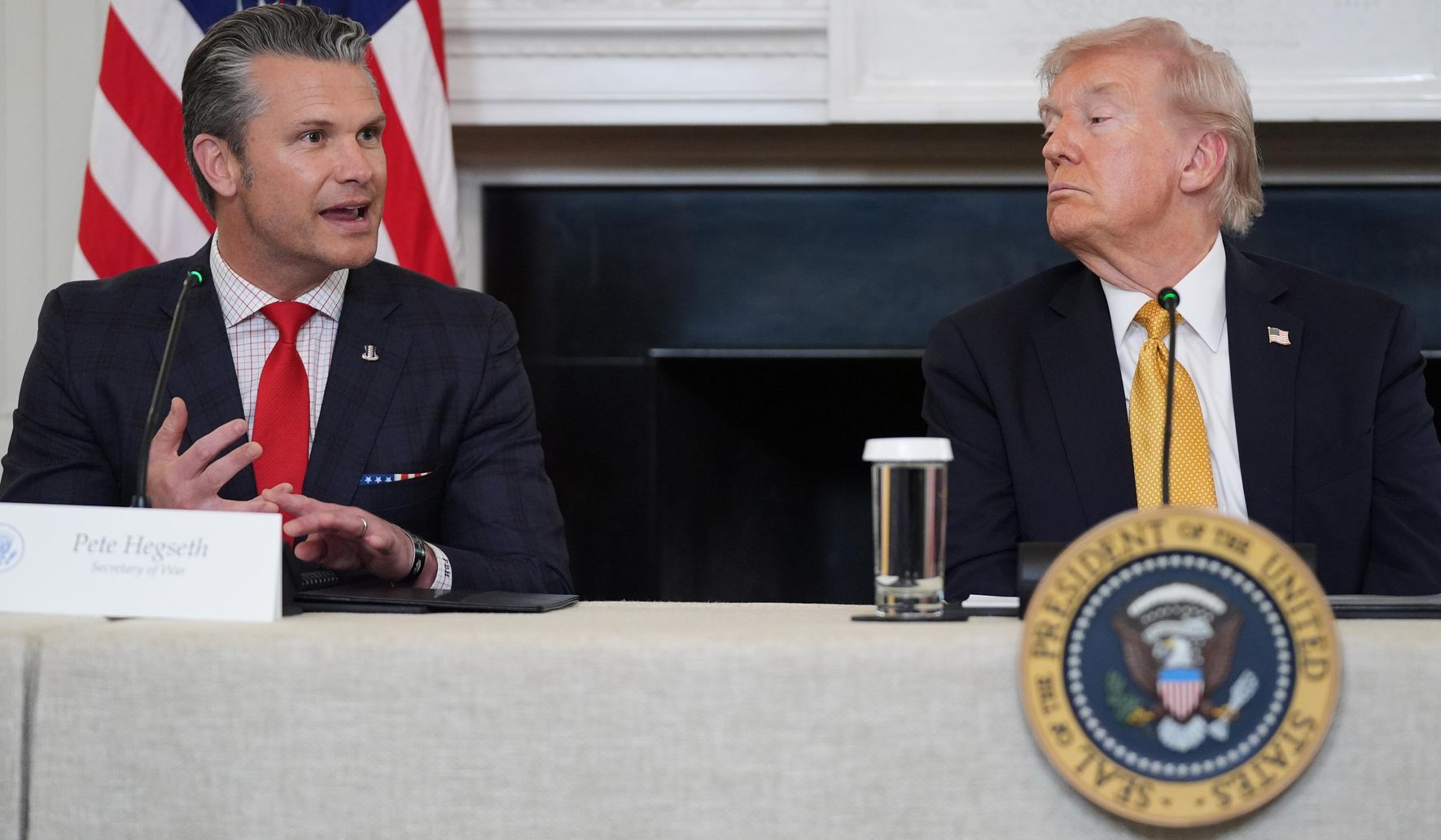
The U.S. struck two alleged drug boats Sunday in the eastern Pacific Ocean, killing six people, Defense Secretary Pete Hegseth said on social media. That single line sums up the immediate fact pattern: a targeted maritime action, announced by the Pentagon’s political head, with lethal results. People will debate the tactical picture, but the core reality is that American forces engaged what were described as narcotics vessels and lethal force was used.
From a security perspective, this kind of action is becoming more common as smugglers adapt and try to exploit international waters. The eastern Pacific is a known corridor for high-volume shipments from South America to markets north of the border, making it a strategic focus. Republican-leaning observers tend to view decisive military responses here as a necessary part of national defense and border protection.
Operationally, maritime interdiction involves a mix of surveillance, intelligence sharing, and rapid decision-making. Ships and aircraft can track suspicious patterns, and when a vessel meets criteria for engagement under standing orders, commanders can act. These are not spur-of-the-moment attacks; they are the result of an organized effort to stop bulk narcotics shipments that fund criminal groups.
That said, any time lives are lost there must be transparency. Families deserve answers, and the public is owed a clear explanation of how targets were identified and why lethal force was chosen. Republicans often emphasize that transparency should not slow necessary operations, but it does require after-action review to ensure rules of engagement and international law were followed.
There are legal and diplomatic layers to these strikes, since operations in international waters sit at the intersection of maritime law and national security. When the U.S. acts beyond its own coastline, it must show legal justification and, where applicable, coordinate with partner nations. That balance is essential both to uphold U.S. credibility and to keep pressure on transnational criminal networks.
Intelligence plays a central role in minimizing collateral damage and ensuring the right people are targeted. Signals, imagery, and human-source reporting all feed into the decision to interdict. For Republicans skeptical of bureaucratic hesitation, there is a clear preference for empowering operators with the authority to finish disruptions once a lawful target is confirmed.
On the strategic front, hitting shipments at sea aims to choke the flow of drugs before they reach distribution hubs, which is one part of a multi-pronged approach. Domestic enforcement, international cooperation, and interdiction all matter, but maritime strikes hit traffickers where they move large quantities. Those who support a robust posture argue it’s a practical way to protect American communities from the violence and opioid deaths tied to cartel profits.
Humanitarian concerns also arise in these scenarios: were any non-combatants aboard, and were de-escalation options exhausted? These questions are valid and should be answered through proper channels. A frank Republican view is that robust security measures must be paired with clear post-action accountability so that rights and laws are respected while threats are neutralized.
Politically, the announcement came via social media from the Defense Secretary rather than a traditional briefing, which signals a modern information environment where official lines can be short and direct. That method keeps the public informed fast, but it also invites immediate scrutiny and demands for fuller follow-up. Republicans often favor blunt, public messaging that stresses results while promising detailed after-action information to satisfy oversight.
Looking ahead, this incident will feed debates about the scale and scope of maritime interdiction and how best to support frontline forces. The balance is always between protecting the homeland and conducting competent, lawful operations that minimize unintended harm. For now, the confirmed fact stands: two boats were struck in the eastern Pacific, and six people died, according to the Defense Secretary’s social post.

