

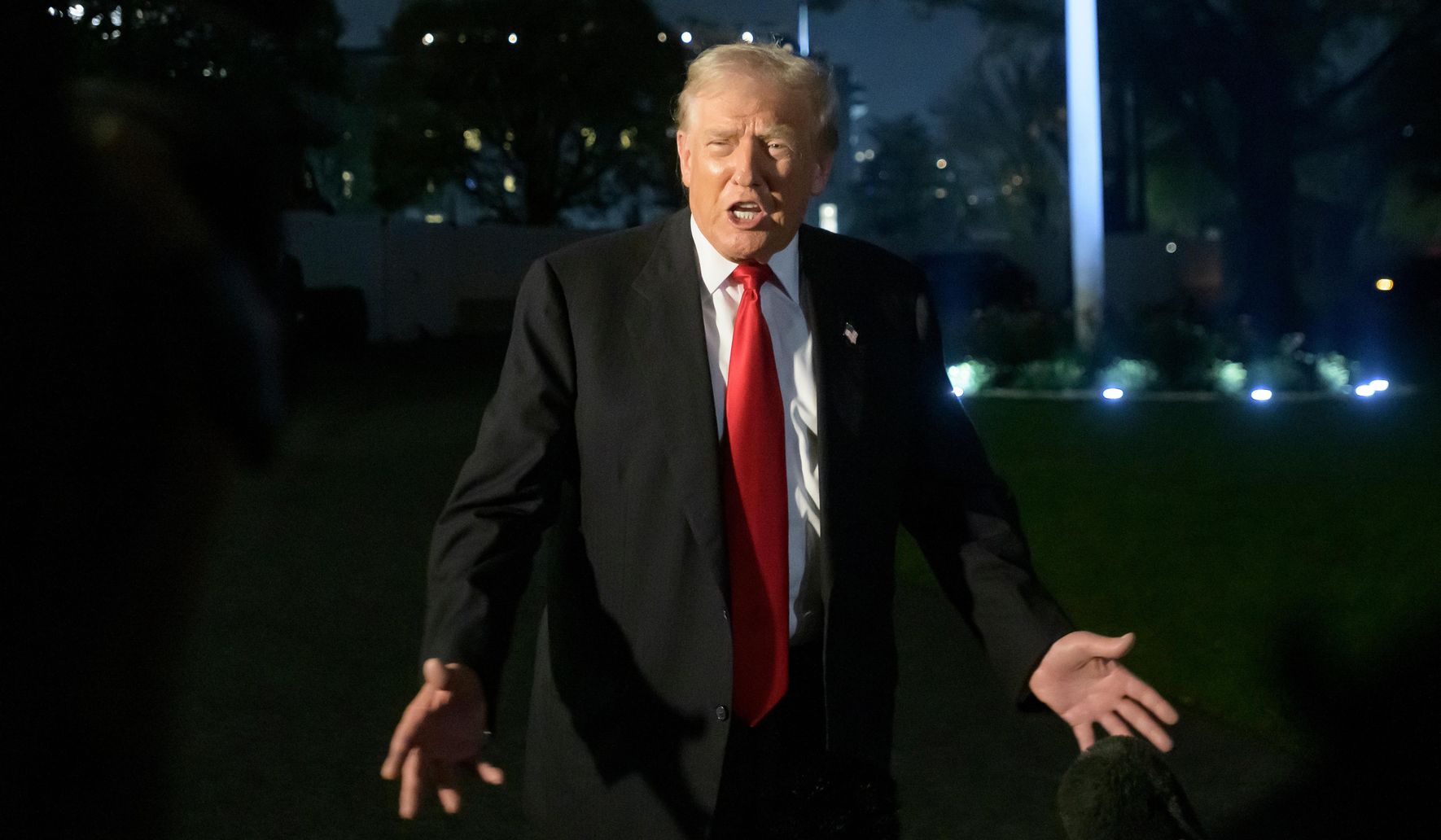
President Trump said Monday that he will abide by a provision in the Senate agreement to reopen the government that requires him to rehire the federal workers he fired during the government shutdown.
President Trump has signaled he will honor the Senate deal to get the government back open and bring federal employees who were let go during the shutdown back on the payroll. That commitment is straightforward: the agreement contains a rehiring provision and the president has said he will follow it. From a Republican perspective, keeping that pledge demonstrates that negotiations can produce concrete, orderly results for federal workers and taxpayers alike.
The decision to rehire those employees reflects a practical choice to end disruption and restore day-to-day operations across agencies that deliver essential services. Reopening the government lets agencies resume normal work and offers stability for families whose paychecks were interrupted. It also removes a major political and administrative stumbling block so lawmakers and the president can move to other priorities without a prolonged closure hanging over everything.
For conservatives, the Trump administration’s willingness to comply with this specific term is evidence that principled bargaining produced a win without capitulation on core goals. The broader negotiation — which produced the Senate agreement in the first place — showed that contested issues can be mediated when leaders focus on results. Honoring the agreement means Republicans can point to an outcome where order and accountability matter, even while continuing to advocate for policy priorities in future talks.
Operationally, rehiring federal workers will require administrative steps at agencies, and the goal now is to get people back to work quickly and efficiently. Agencies will be tasked with calling employees back, restoring access, and resuming pending projects that paused during the shutdown. The practical benefit is immediate: fewer delayed permits, restored services, and a stopping of the ripple effects that shutdowns produce in communities and local economies.
Politically, the choice to follow the Senate deal helps the president and Republican leaders shape the post-shutdown narrative. It allows Republicans to say they ended a government stoppage without unnecessary escalation, while continuing to press for the policy changes they sought. That message mixes responsibility with resolve: the government reopens, workers return, and the debate over long-term solutions goes on in the halls of Congress rather than on a picket line of agency doors.
Reinstating these employees also has a symbolic weight: it signals that public servants who had their work interrupted will be treated fairly under the terms of a negotiated deal. For many voters, seeing routine functions restored and workers back on the job is the clearest proof that the political process, imperfect as it is, can still deliver practical outcomes. Republicans will likely use this as an example of achieving results without surrendering the right to continue pressing for policy objectives.
The next phase will be watching how the terms of the agreement are implemented across departments and how both parties return to the larger policy discussions that sparked the shutdown. Implementation will test the capacity of agencies to move quickly and of political leaders to translate a short-term fix into longer-term progress. For now, the immediate goal is simple and concrete: put people back to work, reopen essential services, and stabilize federal operations so the business of government can continue.

