

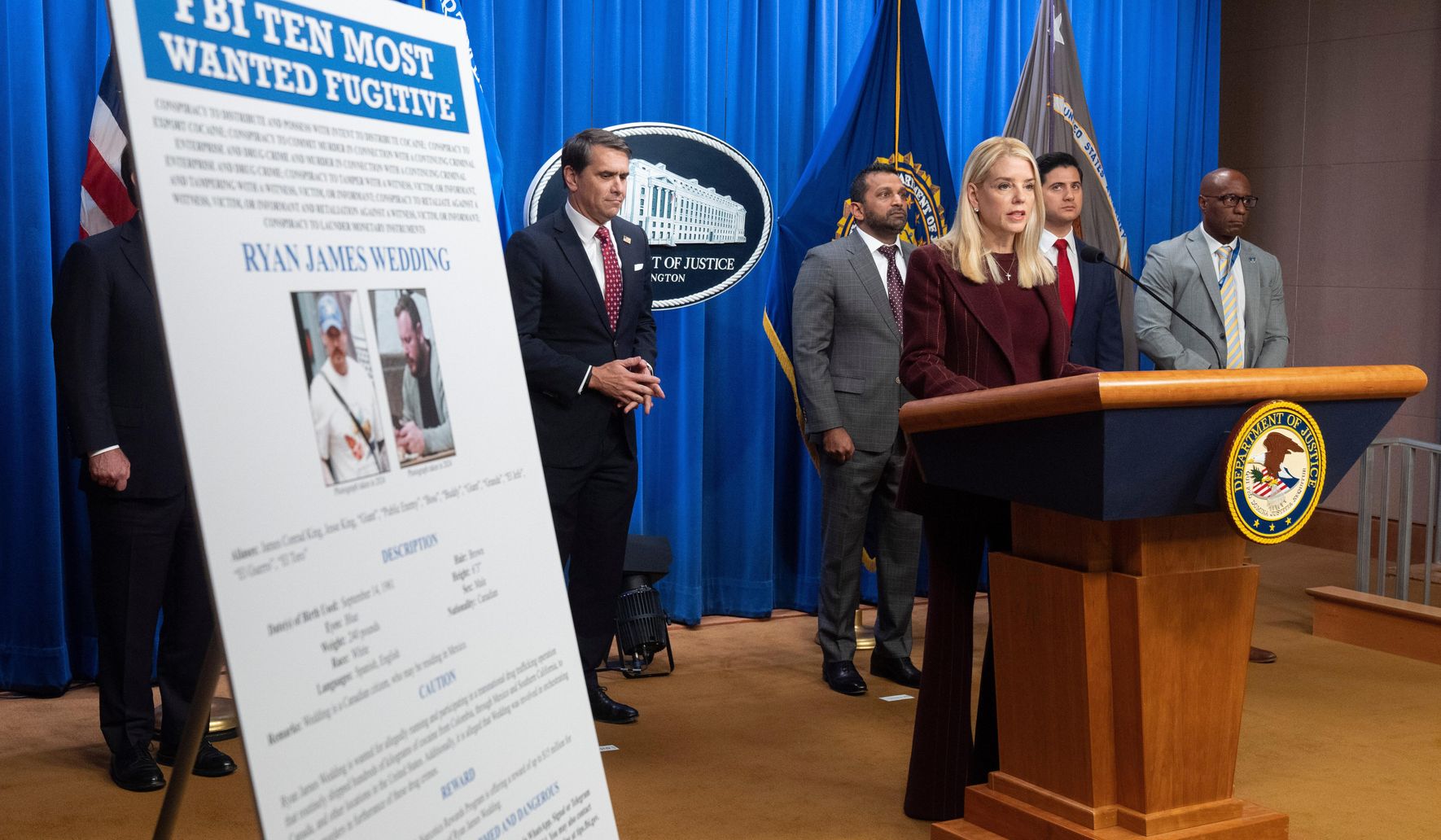
Federal authorities say a former Olympic snowboarder who later became involved in a drug trafficking operation has been accused of ordering the killing of a federal witness who was about to testify against his criminal network.
Federal officials on Wednesday accused a former Olympic snowboarder-turned-drug trafficker of ordering the assassination of a federal witness who was set to testify about his criminal enterprise. The allegation paints a picture of a high-profile athlete turned criminal operator willing to use extreme violence to silence cooperation with investigators. Authorities say this move was meant to protect the network and prevent damaging testimony in ongoing federal proceedings.
Prosecutors have framed the accusation as part of a broader effort to dismantle a drug trafficking organization that allegedly operated across multiple jurisdictions. The involvement of a former Olympian adds a striking twist, drawing media attention and complicating public perception of the case. Investigators are treating the apparent plot to kill a cooperating witness as an escalation that demands swift, coordinated federal intervention.
Witness intimidation and witness tampering are serious federal offenses that can carry heavy penalties on top of existing drug trafficking charges. When a defendant is accused of plotting to assassinate someone who agreed to testify, it typically leads to additional counts and enhanced sentencing recommendations. Prosecutors often cite the need to protect the integrity of trials and the safety of witnesses when seeking tougher measures in such cases.
Law enforcement agencies involved in these probes usually include federal prosecutors, the FBI, and local partners who share evidence and resources. That coordination is intended to prevent gaps that criminals could exploit when operating across state lines. The accusation that a leader of the network ordered an assassination would likely prompt a re-evaluation of witness security and case strategy to ensure the government can still proceed safely with prosecutions.
Details that typically matter in these matters include who in the organization carried out the plot, how the order was communicated, and whether there were intermediaries or hired hands involved. Those elements help prosecutors connect the leader to the criminal act and justify conspiracy and murder-for-hire charges. Establishing those links often depends on wiretaps, recorded conversations, witness testimony, and physical evidence recovered during the investigation.
Defense teams in cases like this tend to challenge the credibility of cooperating witnesses and argue that allegations are part of a bargaining process that rewards sensational claims. The accused may deny involvement, portray the witness as unreliable, or claim evidence was misinterpreted or unlawfully obtained. Courts then weigh competing narratives, but the discovery of direct communications ordering an attack can be decisive for juries and judges alike.
For the cooperating witness, the stakes are immediate and grave; federal authorities typically offer protective measures while the case is pending. Protective options can include relocation, temporary housing, and careful management of case schedules and custody arrangements to reduce risk. The presence of a credible threat often changes how prosecutors proceed, sometimes delaying public disclosure or adjusting plea negotiations to prioritize safety.
Cases that link organized drug activity with violent plots highlight the broader dangers tied to illicit networks—beyond trafficking itself, they can distort communities through intimidation and outright violence. When high-profile figures are implicated, public interest rises and officials face pressure to demonstrate that the justice system can hold powerful defendants accountable. That public scrutiny also raises questions about how criminal careers can evolve from legitimate athletic success into organized crime.
The investigation and any resulting trial will likely unfold over months as authorities collect evidence, interview witnesses, and prepare formal charges. If the government can prove the alleged order and tie it to the defendant, prosecutors will press for convictions that reflect both the drug enterprise and the alleged attempt to subvert justice. For now, the accusation stands as a serious development in a case that blends sports notoriety with violent criminal conduct and federal law enforcement response.

