

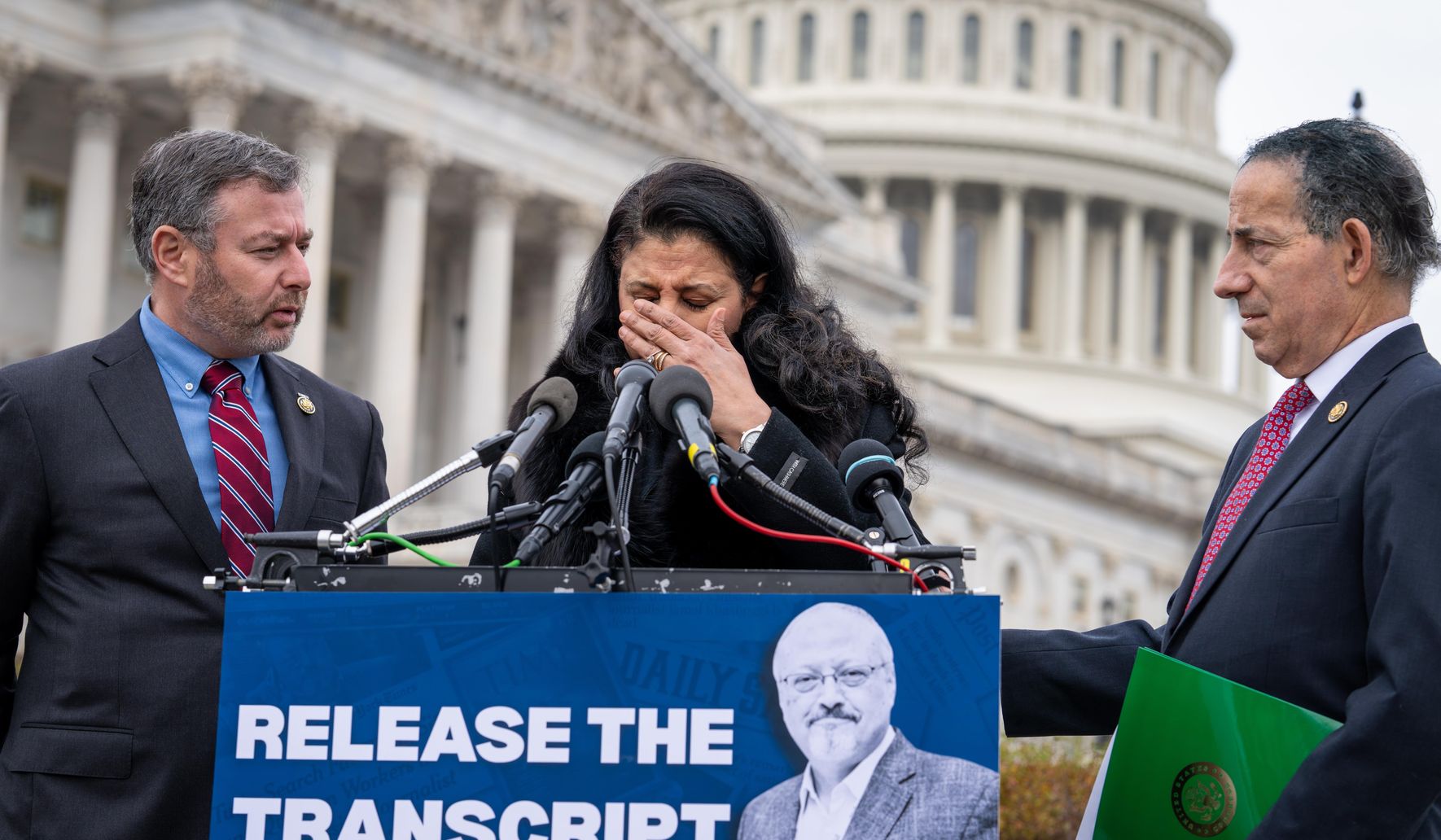
The widow of Washington Post journalist Jamal Khashoggi has asked for the release of the transcript of a 2019 phone call between President Donald Trump and Mohammed bin Salman, joining Democrats in pressing for more transparency.
The request from Khashoggi’s widow brings a human voice into a political fight that has been simmering since his murder. Her plea adds moral weight to calls that have mostly been framed as partisan skirmishes. That shift raises questions about how to balance compassion, accountability, and national security.
Republicans should listen to the widow with respect while also insisting on a fair process, not a political spectacle. Releasing raw intelligence or private diplomatic exchanges without context can harm sources and allies. We can honor victims and still protect legitimate national security interests.
The 2019 call in question dates to a moment when U.S.-Saudi ties were under strain while the region dealt with tough questions of stability and counterterrorism. Presidents have long had confidential conversations with foreign leaders to advance American strategic aims. Taking those calls out of context risks misrepresenting the intent of statecraft.
At the same time, the brutal killing of Jamal Khashoggi in 2018 remains a stain that demands accountability from everyone who cares about human rights. Khashoggi’s widow asking for the transcript is a clear signal that survivors and families want the truth. Their demands should not be dismissed as a partisan football or solely a Democratic talking point.
Congress has tools to demand and review classified material through established oversight channels that can protect sensitive details. Republicans should push for those avenues to be used properly, insisting on committee review and secure briefings. That approach forces facts into the light without needlessly risking intelligence sources or diplomatic leverage.
There’s also political reality to consider: Democrats will spotlight the issue to criticize Trump’s foreign policy and leadership. Republicans must answer with clarity, explaining why confidentiality sometimes serves the public interest and how oversight can work without turning every national security matter into a press release. Transparency must be earned and handled responsibly.
Legal and institutional norms exist for a reason, and preserving them safeguards the next president and the country. If wrongdoing is suspected, investigators and proper committees should document it with evidence and chain of custody, not selective media leaks. That protects both victims and the integrity of any eventual findings.
On the human side, the widow’s request underscores the emotional fallout from Khashoggi’s murder and the broader demand for justice. Lawmakers who care about human rights should not reflexively oppose disclosure when it can clarify facts, but they should also avoid letting the moment be turned into pure political theater. Thoughtful, methodical oversight is the path that respects both grief and governance.
Ultimately, the conversation should center on whether releasing a transcript would advance accountability or simply fan partisan flames. Republicans can defend necessary secrecy while supporting structured, principled oversight that answers victims’ questions. That position respects national security, honors the bereaved, and resists turning a grave tragedy into a stunt.

