

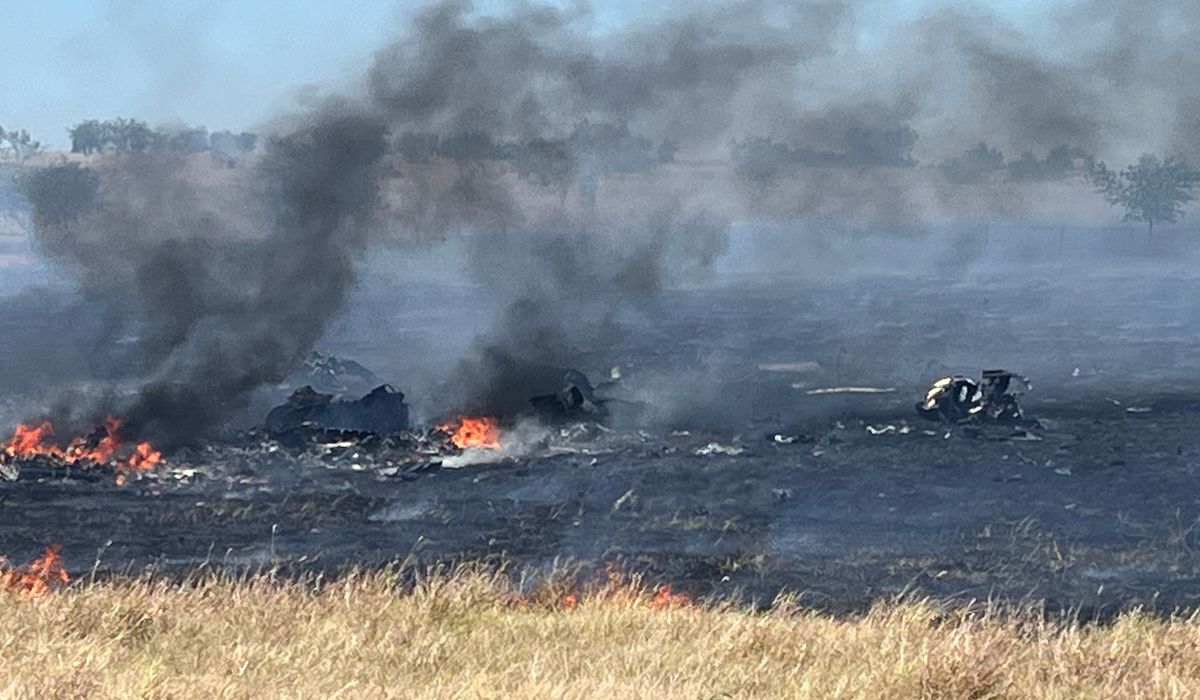
The Army announced Wednesday it will restart Apache helicopter training after a brief pause following a deadly crash in Texas last week that claimed the lives of two soldiers.
The U.S. Army temporarily halted Apache training flights after the crash in Texas that killed two soldiers, and officials say operations will now resume. That pause gave commanders time to inspect aircraft, review immediate safety steps, and ensure crews and maintainers could return to training under close oversight.
When flying operations are halted, the first steps usually include thorough maintenance checks and targeted inspections of any related systems or components. Commanders also review recent maintenance logs and flight records to look for patterns that could indicate a broader issue.
Investigators typically work on parallel tracks: one team examines the accident site and wreckage, while another analyzes maintenance and flight history. Those investigations can take time, and resuming training does not mean the probe is complete; it means leaders judged conditions safe enough to proceed with precautions in place.
For crews, the return to training comes with renewed emphasis on safety briefs, procedural refreshers, and possibly simulator work before back-to-back sorties. Pilots and maintainers often get refreshed on specific procedures and any new inspection requirements that emerge from the initial findings.
Apache helicopters are a central part of Army aviation training, and pausing missions affects unit readiness and scheduling across the force. Leaders must balance the safety of aircrews with the need to keep pilots current and units prepared for operational demands.
Family members and communities feel the immediate impact of any crash, and military leadership typically focuses on clear communication during these periods. Notifications and support services are standard, and commanders usually emphasize transparency about safety steps while respecting ongoing investigations.
The operational pause also hits logistics and maintenance timelines, as aircraft that would normally fly may instead be held for inspection or used for ground-based training. That ripple effect includes maintenance schedules, parts availability, and the pace at which aircraft return to full mission-capable status.
Restarting training can involve staggered schedules and select flights dedicated to validating checks implemented after a mishap. These validation flights are often flown with extra oversight to verify that maintenance actions and updated procedures are effective.
When the service resumes a specific type of training, it typically does so across affected units in a phased way so lessons learned are shared quickly. That phased approach helps ensure consistency and reduces the chance of missing a critical step in the return-to-flight process.
At the unit level, commanders will monitor sortie data and maintenance issues closely, ready to pause operations again if something concerning appears. That vigilance is standard procedure and part of how aviation communities manage risk in high-tempo training environments.
Resumption also includes administrative steps like updating training schedules and notifying higher headquarters of the operational status change. Those formalities help senior leaders track readiness metrics and ensure resources are aligned where they are most needed.
While the service reboots training, independent safety reviews and the official accident investigation continue to gather facts about what happened in Texas last week. Those findings, when released, will shape any longer-term changes to procedures, inspections, or hardware adjustments.
Publicly available statements from the Army tend to focus on the immediate actions taken and the commitment to learning from the event, along with condolences for the fallen soldiers. Such statements underline the dual mission of protecting service members and preserving operational capability.
For pilots and maintainers returning to the flight line, the priority is clear: fly safely, follow updated checks, and report anything that seems out of the ordinary. That cautious approach is how aviation units restore confidence and continue training while the investigation proceeds.
The balance between safety and readiness is always front and center after an accident. Restarting Apache training reflects commanders’ judgment that conditions now allow crews to train with appropriate safeguards while investigators work to determine the full cause of the crash.

