

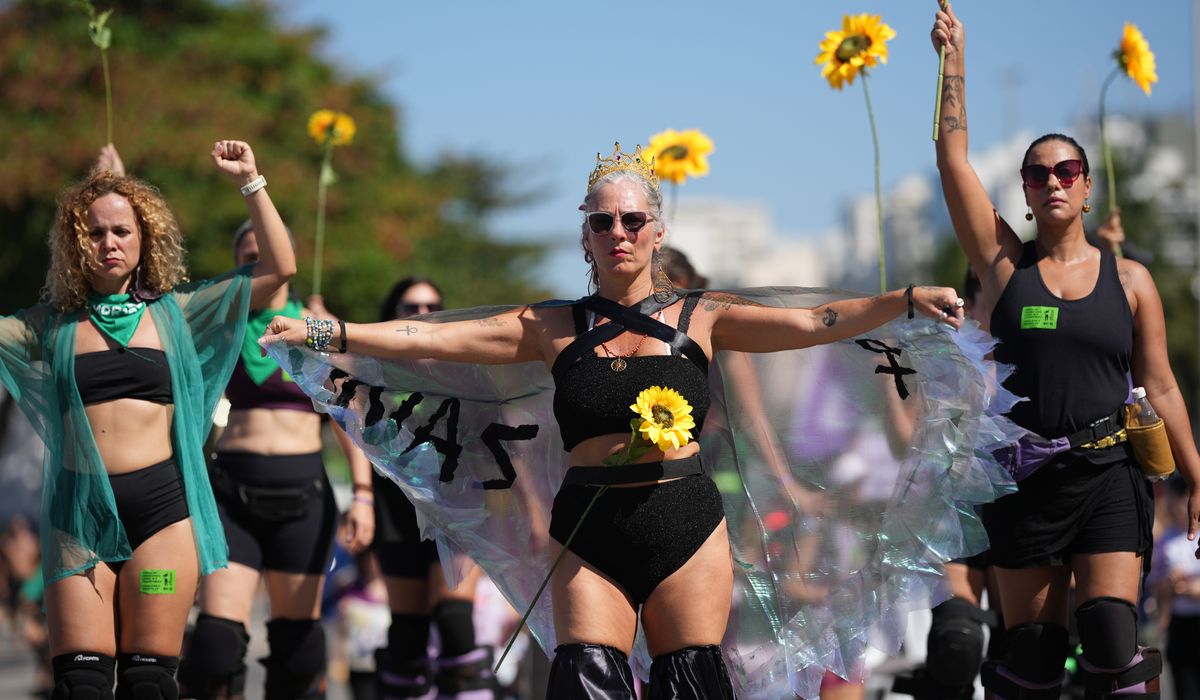
Brazil’s highest court took a decisive step this week, widening how a landmark law shields women from violence and setting up a heated debate over law, liberty, and who gets to decide. “Brazil’s Supreme Court ruled unanimously on Wednesday to significantly expand the scope of the country’s landmark law to protect women from violence.” The move is sweeping, unanimous, and bound to shape both courtrooms and politics across the country.
The court’s unanimous vote on Wednesday broadens legal tools designed to protect women, but it also raises immediate questions about implementation and limits. Supporters say the expansion recognizes the evolving nature of violence and the need for broader protections. Skeptics warn that courts stretching statutes can create confusion for prosecutors, judges, and the public.
That confusion matters because laws mean different things in practice than on paper, and expanding a law’s reach overnight changes how cases are charged and how evidence is weighed. Police departments and social services will need guidance, training, and funding to apply any new standards. Without clear direction, victims could face delays and officials could struggle to apply an expanded law consistently.
At its core, the ruling touches on a basic tension: who should define the reach of a criminal law, judges or elected lawmakers. From a conservative perspective, a court-wide reinterpretation is a red flag for judicial overreach. The safer path is to have legislators debate limits and language so citizens know what behavior is prohibited and what penalties apply.
Still, the human side of the ruling cannot be ignored. For many survivors and advocacy groups, broader protections mean more pathways to safety and justice. Courts often move faster than legislatures, and a judicial fix can close gaps when lawmakers have stalled. That immediate relief can be lifesaving for people facing real threats today.
Practical consequences will show up fast. Prosecutors may retool charging decisions, defense lawyers will test the expanded language, and trial courts will be the proving ground for how the change works in real life. Expect an initial surge of litigation as parties seek clarity, and expect judges to develop new interpretations that could either narrow or widen the ruling’s effects over time.
The decision also has political ripple effects inside Brazil and abroad. Lawmakers who prefer spells in the legislature may now face pressure to clarify or rewrite statutes to either lock in the court’s expansion or roll it back. That pressure can force hard votes on definitions, penalties, and procedural safeguards that were left ambiguous by the court’s action.
From a Republican viewpoint, the immediate task is clear: insist on legislative solutions that respect separation of powers while protecting victims. Courts should interpret law, not invent it. When serious social problems demand new legal tools, elected representatives need to step up with clearly drafted statutes that provide both protection and due process.
Public safety officials will need resources to match any broadened mandate. Training for police, funding for shelters, and streamlined reporting processes are not optional if the goal is to translate legal changes into safer lives. Otherwise, expanded laws risk becoming symbolic pronouncements rather than effective tools for change.
Finally, watch how the legal system responds over the coming months: case law will refine the expansion, legislative debates will test political will, and the lives of survivors will reveal what the ruling really achieves. The ruling is a landmark moment in Brazil’s legal landscape, one that demands sober follow-through more than rhetoric.

