

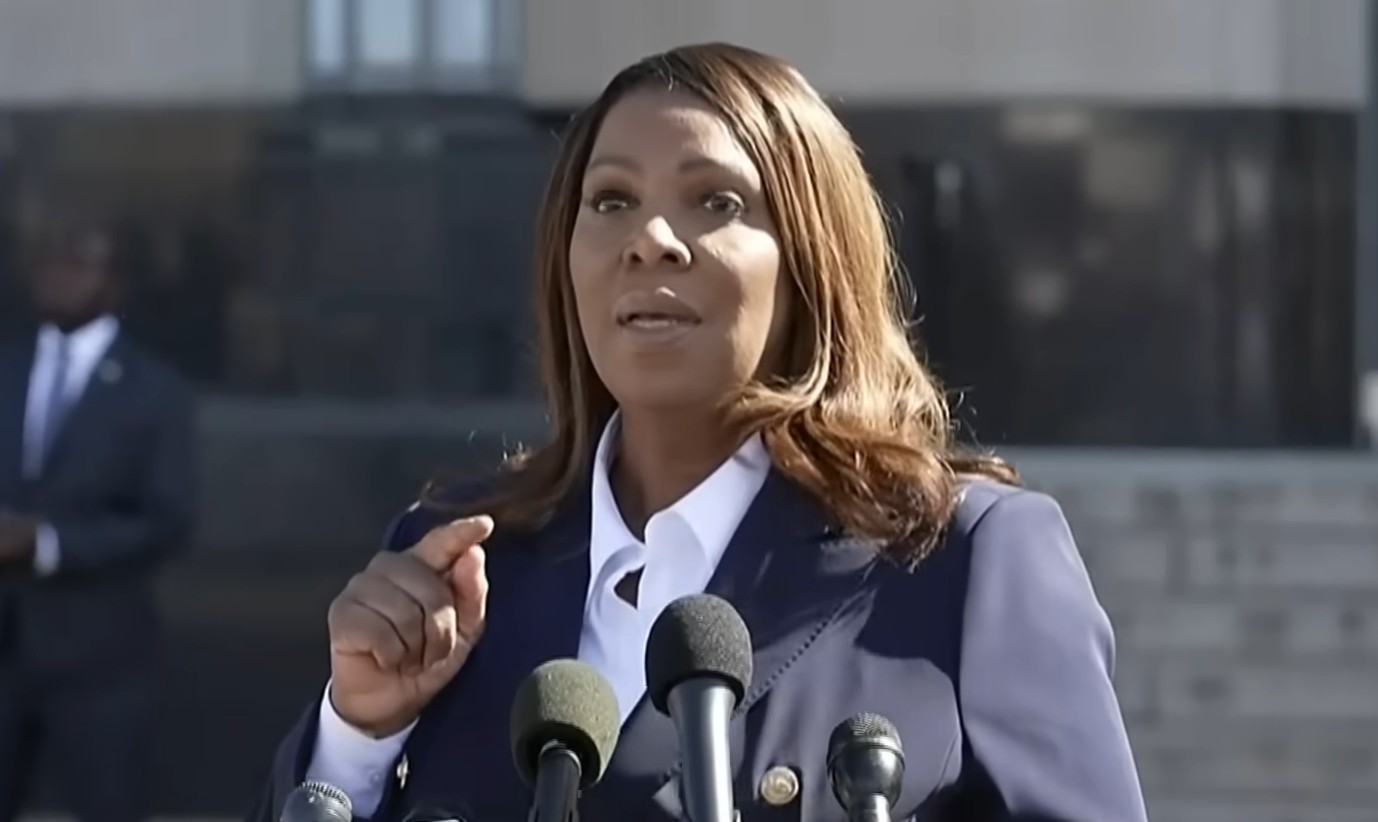
The sequence of events around James’ statements, the timing of her communications, and subsequent corrections raise serious questions about whether she knew her allegations were untrue when she first spoke.
The timeline at issue shows a pattern of claim, delay, and adjustment that merits careful scrutiny. Records and contemporaneous notes indicate the order in which statements were made and when counter-evidence emerged. Taken together, the sequence creates a credible basis to ask whether the initial allegations were offered in good faith.
The original assertion remains central: “The timeline of James’ claims suggest she knew her claims were false when she made them.” That line captures the core concern that the dates and exchanges line up in a way that is hard to dismiss as accidental. When a narrative shifts right after new facts come to light, it prompts questions about intent and awareness.
Several concrete indicators feed into this conclusion, including messages that contradict later testimony and contemporaneous documents that were not referenced until after scrutiny increased. Witness statements and metadata often tell a different story than reconstructed recollections. Those discrepancies are important because timing matters when determining whether a claim was based on belief or on something else.
Motives also deserve attention even if they cannot be proven from timing alone. People sometimes repeat or embellish stories for attention, protection, or to influence outcomes, and timing can reveal when a narrative was shaped. While motive is not the same as proof, it provides a framework for understanding why a false claim might be offered and then revised.
Investigators and fact-checkers rely heavily on chronological evidence because it is less malleable than memory. Emails, text timestamps, and document creation dates are tangible anchors that can confirm or contradict versions of events. When those anchors do not support the later claims, the appearance of knowing falsehoods increases.
The impact of these questions goes beyond the immediate parties. Public trust in testimony and in the systems that evaluate it depends on the idea that statements are made in good faith. If timelines repeatedly show claims being adjusted only after pushback, confidence in the broader process erodes and institutions face pressure to tighten verification practices.
From a legal perspective, a timeline showing awareness of falsehoods can have consequences. Courts and disciplinary bodies consider whether a person knowingly made false statements when deciding on penalties and credibility findings. That does not automatically mean criminal liability, but it does change how much weight a tribunals place on a person’s account.
Practical lessons are clear: preserve contemporaneous records, disclose relevant documents quickly, and be transparent about what you knew and when you knew it. Those steps reduce ambiguity and protect both claimants and subjects from unfair outcomes. In cases where the timeline looks unfavorable, prompt clarity can prevent reputational damage and costly investigations.
Ultimately, the sequence of communications in this matter invites serious questions and should prompt a methodical review. Scrutinizing timestamps, corroborating witnesses, and assessing the order of disclosures is the responsible way to determine whether the available timeline supports the claim that falsehoods were known at the time they were made.

