

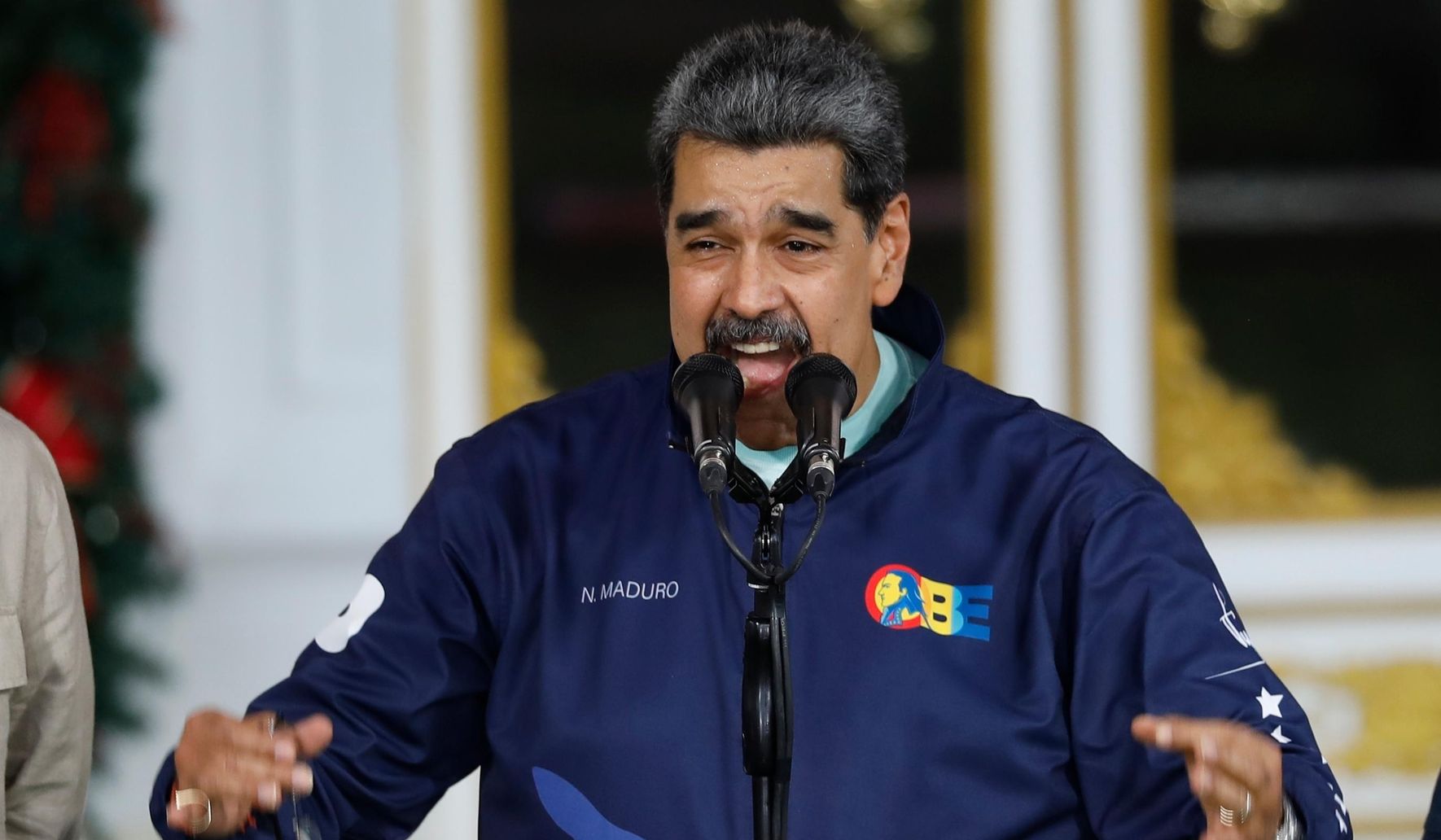
President Trump’s administration labeled the Cartel de los Soles as a foreign terrorist organization, stepping up pressure on Venezuelan President Nicolas Maduro and the network tied to his country’s security apparatus.
The Trump team moved aggressively to name the Cartel de los Soles as a foreign terrorist organization, a move meant to cut off financial channels and complicate safe havens for senior figures tied to the regime. That designation elevates the criminal network from a narcotics or corruption case into a national security issue that draws tools from counterterrorism playbooks. It signals a determination to squeeze the Maduro apparatus by targeting the methods it uses to stay in power.
Calling the cartel a terrorist group puts fresh legal teeth behind sanctions and asset freezes and makes it easier for U.S. law enforcement to pursue collaborators worldwide. It also expands the penalties for anyone who knowingly provides material support, tightening the noose on intermediaries and front companies. From a Republican viewpoint, this is the kind of tough, unambiguous pressure Democrats often shy away from.
The Cartel de los Soles is alleged to involve elements of Venezuela’s military and security services, which makes it more dangerous than a standalone trafficking ring. When institutions meant to protect citizens instead profit from smuggling and violence, the political stakes rise because corruption becomes a tool of survival for an authoritarian regime. Disrupting those networks hits at both the money flow and the operational capacity Maduro depends on.
Designations of this kind also aim to disrupt the routes and partners that funnel drugs and illicit cash toward markets and banks outside Venezuela. Law enforcement agencies in allied countries can use the designation to justify seizures and joint operations without diplomatic ambiguity. For Americans worried about crime and a secure border, interrupting those pipelines is a clear national interest.
There are diplomatic dimensions too: the U.S. can push allies to harmonize measures, which raises the diplomatic and financial cost of protecting the Maduro inner circle. Sanctions alone are blunt tools, but when paired with targeted financial actions and information operations, they can isolate key actors. Republicans argue that sustained, coordinated pressure forces change without putting American boots on Venezuelan soil.
Critics say designations may have limits; sanctioned leaders can adapt, and illicit networks are often resilient and inventive. That critique has merit, but it misses that policy is about raising costs and narrowing options. Forcing corrupt officials into fewer safe havens and fewer legitimate channels increases the chances that factions will split and that moderates will have room to organize.
On the enforcement side, success depends on follow-through: tracking transactions, locking up front companies, and prosecuting facilitators when they surface. The designation creates new legal pathways for prosecutions and extraditions and strengthens requests for cooperation from financial institutions. This is the point where policy meets execution and where conservative emphasis on law enforcement capabilities matters most.
Politically, the move also sends a message domestically: a government that secures borders and disrupts transnational crime addresses voter concerns about safety and migration. Holding Maduro accountable for the actions of those around him shows a readiness to confront authoritarianism through pressure rather than appeasement. That posture sets the stage for continued sanctions, diplomatic isolation, and support for democratic alternatives without committing U.S. forces to regime change.

