

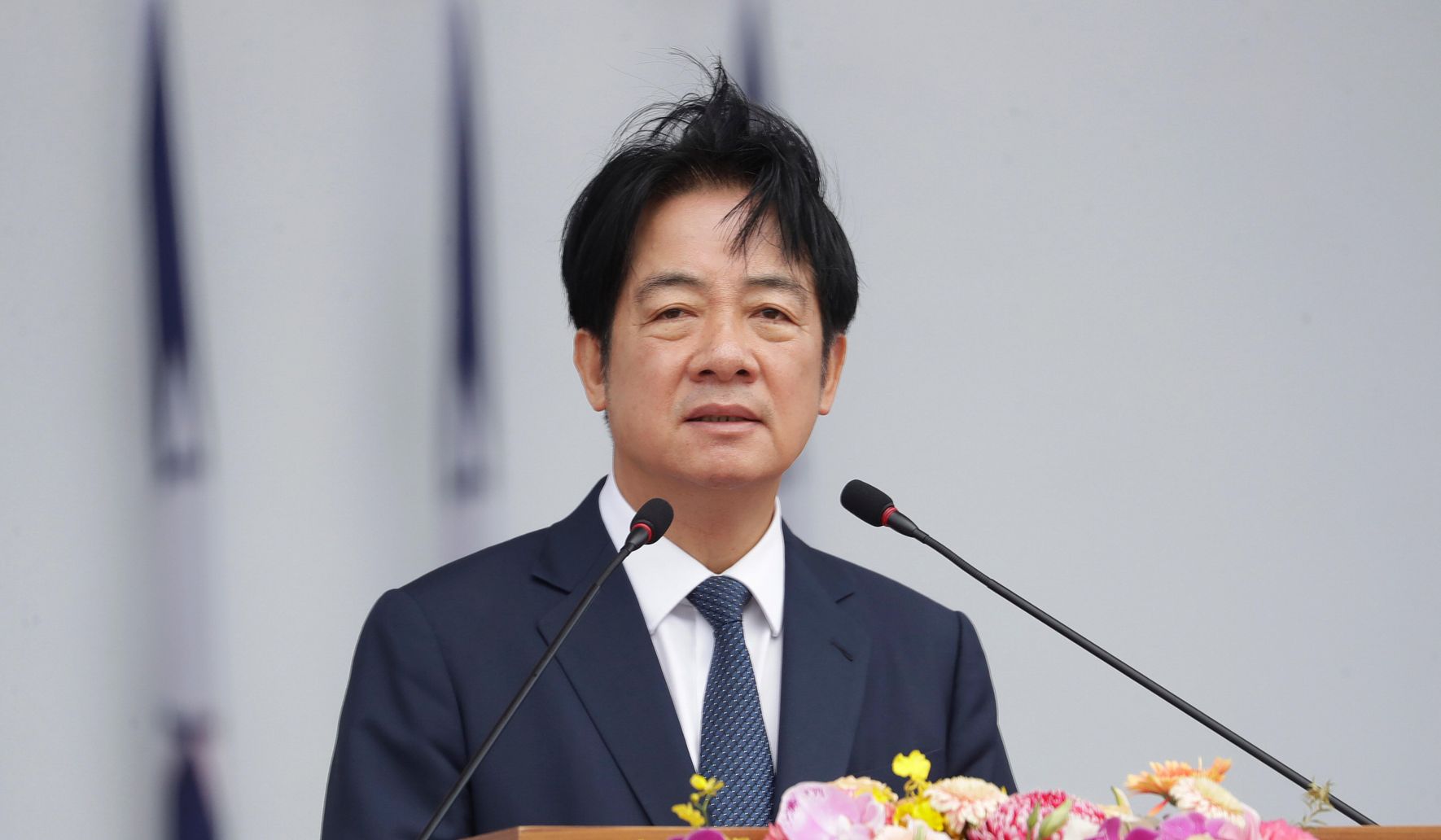
Taiwanese President Lai Ching-te has launched an assertive public campaign to show his government’s resolve to defend the island, pushing a narrative of deterrence, national unity, and strengthened ties with like-minded partners while stressing the capability and will to resist coercion.
Lai Ching-te’s recent media offensive reads like a focused message discipline exercise: reassure citizens, signal strength to adversaries, and court international support without promising escalation. He frames Taiwan as capable and determined, leaning into themes of sovereignty, readiness, and democratic resilience. That messaging aims to translate political will into a deterrent posture.
Domestically, Lai is trying to stitch together public confidence in Taiwan’s defenses and institutions. He emphasizes training, procurement, and civil preparedness so voters feel the government is not merely talking but acting. That approach reduces panic, boosts morale, and makes the island a harder target for coercive strategies.
On the international stage, Lai’s rhetoric doubles as diplomatic theater, meant to remind partners that Taiwan remains committed to its own defense. The message is calibrated: we want peace, but we will defend our democracy. It’s a balancing act between rallying allies and minimizing the chance of miscalculation.
From a Republican viewpoint, the core of Lai’s campaign is sensible: strong deterrence prevents war. Showing resolve and investing in capabilities are practical ways to keep adversaries guessing. U.S. and democratic partners should take firmness as a signal to sustain support and help Taiwan secure the means to deter aggression.
Lai’s focus on procurement and domestic defense industry development matters because material readiness underpins any credible posture. Investments in asymmetric capabilities, missile defenses, and coastal resilience make the cost of aggression rise. Those choices also create jobs and technological spillovers, reinforcing both security and economic resilience.
Messaging matters alongside hardware. Lai’s public outreach aims to normalize vigilance, so society sees defense as collective responsibility rather than a narrow military task. That helps with mobilization plans, civil defense drills, and sustaining long-term political will for necessary spending. Democracies that accept those burdens are harder to intimidate.
Deterrence requires both capability and credibility, and Lai is building both by being explicit about willingness to defend and by showing concrete actions. Credible deterrence also depends on allies understanding the stakes and committing support when needed. Clear, consistent communication reduces ambiguity and strengthens the island’s bargaining position.
Critics say tough talk risks provoking the other side, but silence or appeasement invites pressure campaigns and territorial revisionism. A posture that signals defense readiness without seeking confrontation tends to preserve the status quo in a tense neighborhood. Responsible leaders keep the spotlight on preparation, not provocation.
Economic and social resilience are part of Lai’s pitch too, because a society that can absorb shocks is a less tempting target. Diversifying supply chains, securing critical infrastructure, and maintaining social cohesion are defensive measures in their own right. Those policies make coercive strategies less likely to succeed.
For partners who care about stability, Lai’s media push is a reminder to translate words into policy. Support that focuses on capability-building, interoperability, and credible defense systems strengthens deterrence without requiring combat commitments. This kind of backing aligns with a pragmatic Republican view favoring firm, sustainable defense assistance.
Lai’s communications campaign is straightforward: shore up internal unity, clarify resolve, and attract practical international backing. The aim is deterrence through preparedness and clarity, not to inflame tensions. In a strategic environment where ambiguity can be costly, plainspoken resolve backed by action is the clearest path to keeping the peace.

