

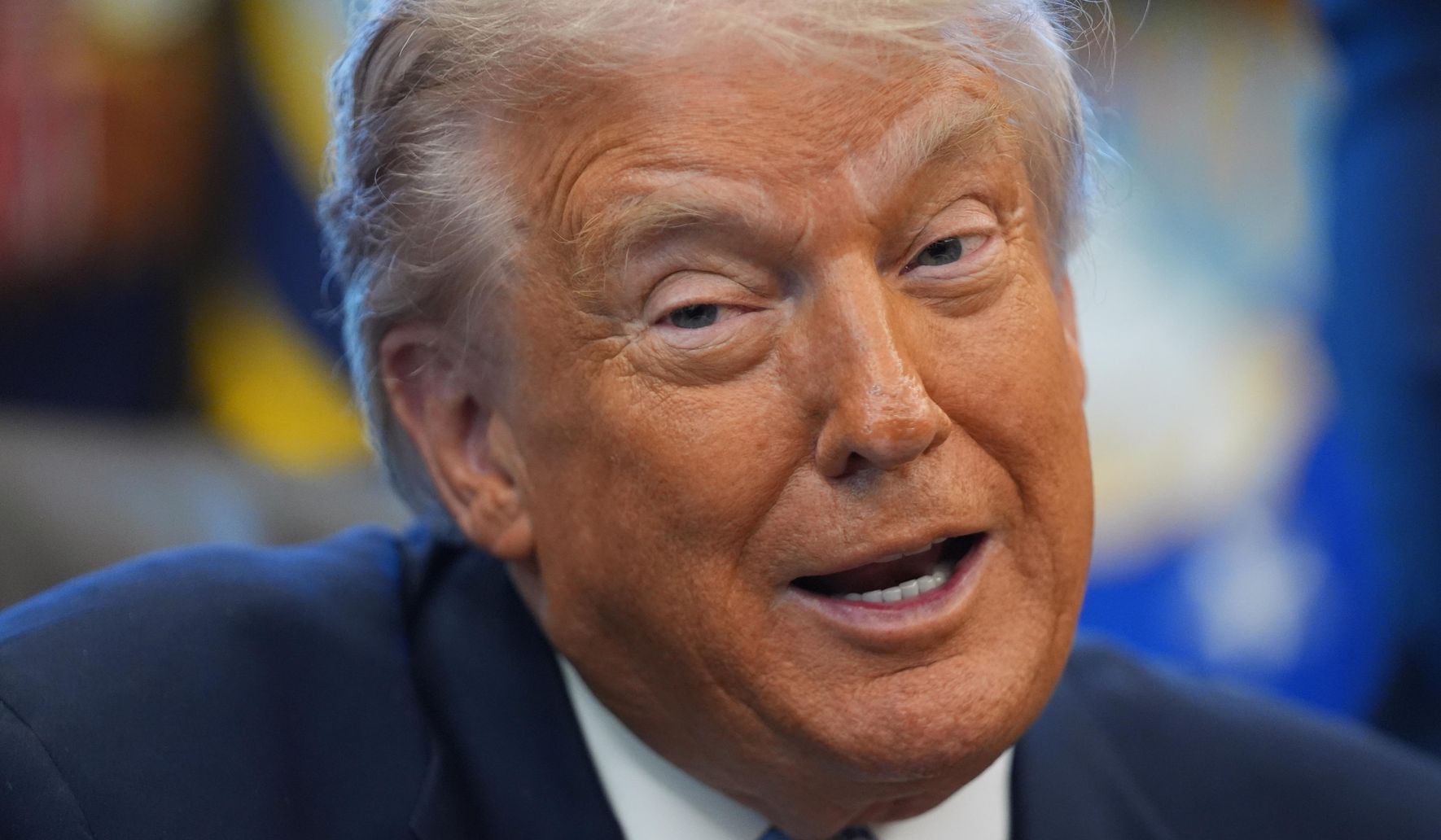
A Georgia judge dismissed the criminal case against President Trump on Tuesday, delivering a clear courtroom win that shifts the legal and political conversation.
The dismissal in Georgia stands as another legal rebound for President Trump after months of aggressive prosecutions and headline-driven criminal filings. Supporters see it as proof the justice system can correct overreach, and critics of the probes are calling it vindication. The ruling changes the immediate legal landscape and sharpens focus on how the prosecutions were handled.
The reaction from Republican circles was swift and unapologetic, treating the decision as confirmation that politically motivated tactics had failed. Conservatives framed the outcome as evidence that federal and state authorities sometimes pursued cases to score headlines rather than to pursue solid law. That view fuels broader concerns about weaponizing the justice system against political opponents.
Legal analysts on the right stressed that dismissals like this one highlight the difference between accusations and provable crimes, especially in highly charged political matters. They argue that judges stepping in to toss weak or rushed cases helps restore public confidence in the rule of law. The Georgia dismissal is being cited repeatedly as an example of judicial restraint preventing prosecutorial excess.
Campaign strategists for Republicans are pointing out the practical impact: cleared legal air gives the president breathing room on the campaign trail. Without an active case in Georgia, the campaign can redirect time and resources toward debates, policy messaging, and voter outreach. That tactical shift matters in any tight race where momentum and attention are currency.
Beyond politics, the decision raises questions about prosecutorial discretion and accountability at the state level. Critics on the right say prosecutors rushed into a high-profile prosecution without building an airtight legal foundation, perhaps under pressure to appear tough. In the wake of the dismissal, calls are growing for clearer standards before charging sitting or former officials in politically sensitive matters.
The dismissal also feeds into a larger narrative about the courts as a crucial check on overzealous investigators. Conservative commentators note that judges, not prosecutors, are meant to adjudicate law and facts free from political calculations. When a judge dismisses a case, it signals that judicial review can halt cases that would otherwise consume public resources and distort democratic debate.
Republican lawmakers used the moment to reiterate longstanding concerns about selective prosecution and to press for reforms that would limit partisan influence in high-stakes criminal matters. They argue for safeguards that ensure charges follow clear evidence and sound legal theory rather than public pressure. Those proposals will likely be renewed in committee hearings and public statements going forward.
Supporters of the president say the dismissal vindicates voters who have been skeptical of repeated legal attacks and who fear that prosecutions can be used as political weapons. The ruling offers a persuasive talking point for Republican messaging about fair play and equal treatment under the law. That messaging will be prominent as campaigns shift into higher gear.
At the same time, legal experts warn that a single dismissal does not end debate about the underlying conduct or any related investigations elsewhere. The Georgia court’s decision resolves that specific case, but it does not erase the broader swirl of legal scrutiny that has followed the president. Still, this ruling changes immediate priorities for legal teams and political operatives alike.
For conservatives watching closely, the dismissal is proof that persistence in the courts can pay off and that legal overreach can be checked by judges who demand stronger evidence. It is being presented as a reset moment that underscores the need for impartial prosecutions and for civic institutions to resist turning every dispute into a headline-making criminal case. The coming weeks will show how quickly the political and legal sides adjust to a courtroom outcome that favors the president.

