

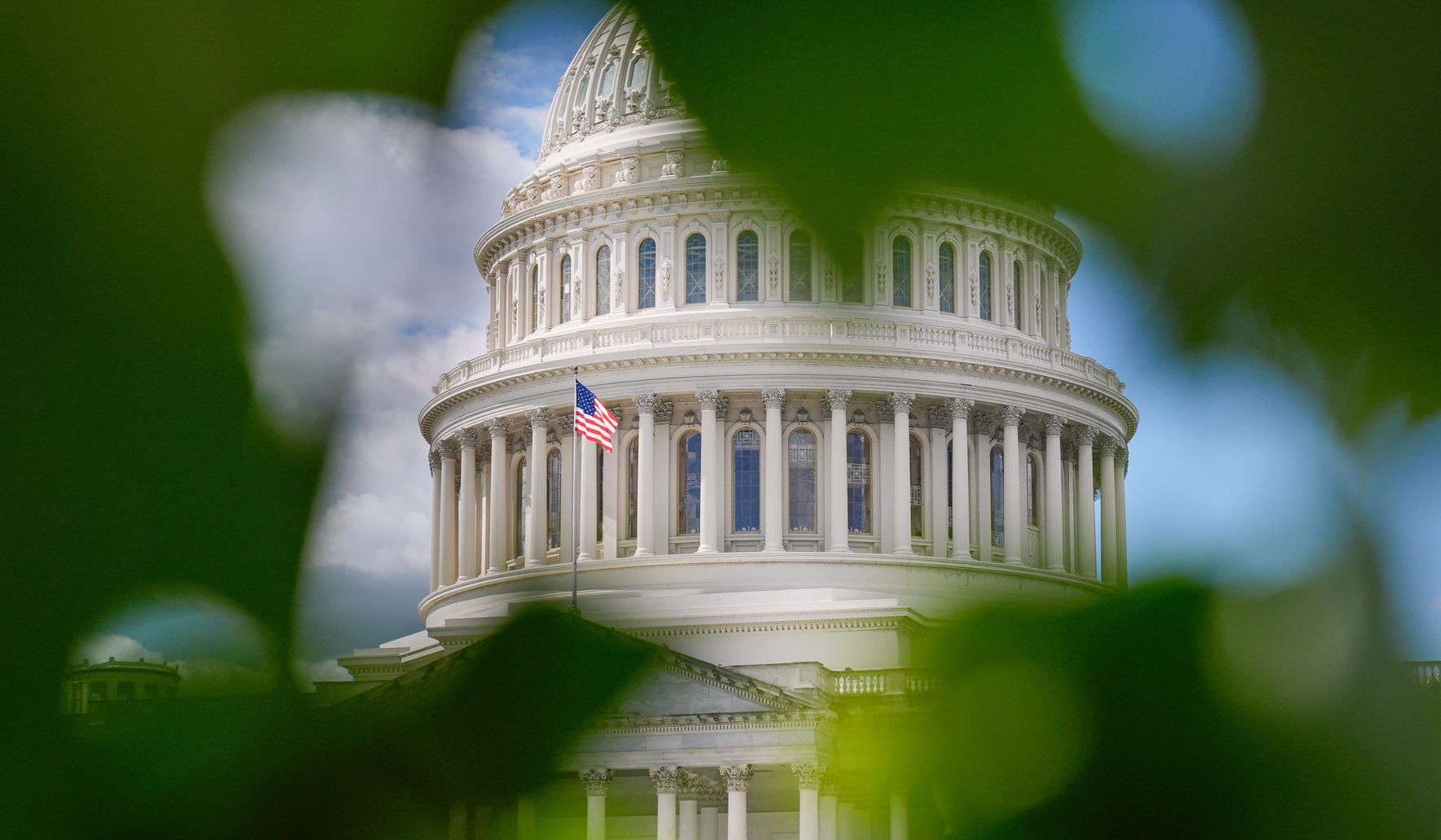
A newly released House bill aimed at protecting children online drops a key enforcement provision that was included in the Senate version, a change sponsors and advocates say removes the measure’s main mechanism for holding social media companies accountable.
Republicans support protecting children from predatory or harmful online content, but we also expect the laws Congress passes to have real teeth. The House draft leaves out a provision from the Senate bill that backers say is the enforcement tool, and that omission has raised alarms among lawmakers and parents. That gap matters because without enforcement, promises on paper often fail to change behavior in Silicon Valley.
Lawmakers on both sides publicly express concern about youth mental health and the influence of social platforms, yet the devil is in the details. The Senate’s version included an accountability mechanism that many argue would make companies face consequences for design choices that harm kids. Removing that mechanism in the House text shifts the debate from outcomes to politicking over how aggressively to regulate tech.
Republicans are skeptical of broad, vague rules that invite regulatory overreach and harm free expression, but we also insist that voluntary fixes by big tech are not enough. The original Senate language aimed to give families and enforcers a path to challenge companies that prioritize engagement over safety. Stripping that path risks turning the bill into good intentions without practical enforcement.
Parents and child safety advocates told Congress they want age-appropriate safeguards, clearer privacy protections, and limits on addictive algorithms that push harmful content. Those are reasonable aims that cross party lines, but they require enforceable standards. Without a clear mechanism to ensure compliance, platforms will likely continue the same business incentives that led to the problem.
Lobbying by large social media companies has shaped many legislative drafts, and this House omission looks suspicious to those who want serious reform. Big tech has repeatedly favored voluntary policies and vague transparency reports over binding rules and accountability. When the choice is between self-regulation and enforceable obligations, the latter is the only way to guarantee consistent protection for children across platforms.
Some defenders of the House draft argue that the omitted provision raises legal and constitutional concerns, suggesting enforcement could chill speech or invite frivolous lawsuits. Those are legitimate issues for careful lawmakers to weigh, but they do not justify gutting the bill. A responsible approach balances constitutional protections with meaningful remedies that deter harmful corporate behavior.
Republican lawmakers could press for targeted fixes that preserve constitutional safeguards while restoring a credible enforcement mechanism. That might mean clarifying standards of harm, limiting remedies to demonstrable conduct affecting minors, and tightening procedural rules to prevent abuse. A focused, well-crafted enforcement path would keep the bill effective without inviting excessive litigation against protected speech.
The House move also sets up a predictable showdown with the Senate, where sponsors of the original language are likely to push back. Negotiators will have to reconcile differences or risk producing a weaker final product that fails both to protect kids and to satisfy conservatives. If Congress wants a law that works, the conference must not accept an empty shell that leaves tech companies free to maintain harmful design incentives.
Meanwhile, families waiting for relief deserve honest debate about what enforcement looks like and why it matters. Lawmakers should stop posturing and start drafting specific, enforceable language that respects constitutional limits while holding platforms accountable. Without that, we risk passing another feel-good bill that leaves children exposed and parents frustrated.
Congress has an opportunity to deliver meaningful reform if it insists on clarity and accountability instead of vague promises. The House should reopen discussions about restoring an enforcement mechanism that protects kids without trampling rights. Lawmakers ought to remember that protecting children online is not a partisan slogan; it is a policy challenge that requires both backbone and precision.

