

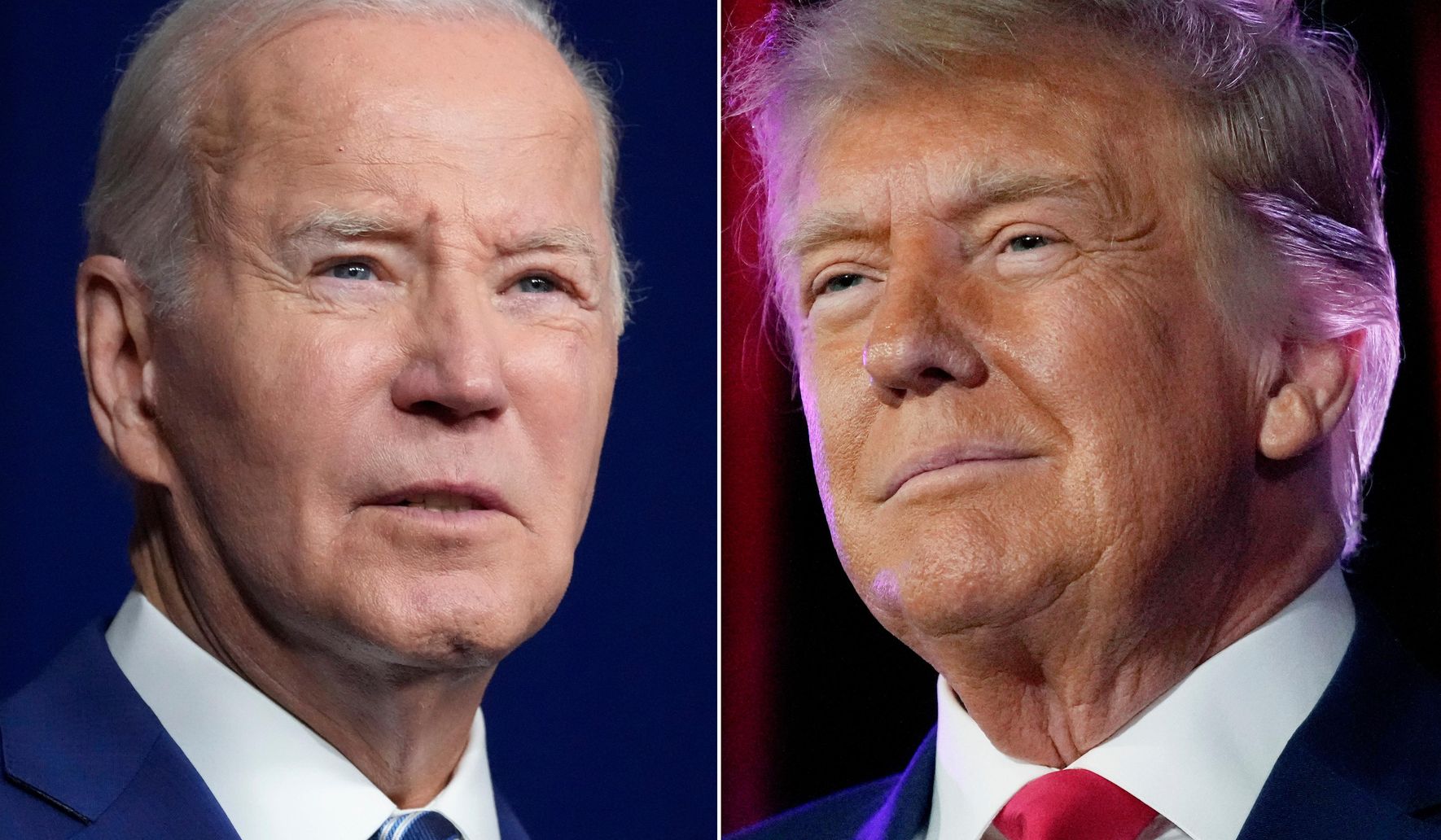
President Trump announced Friday that he has “terminated” all executive orders and other documents signed by autopen under President Biden and threatened to charge his predecessor with perju.
President Trump made the announcement on Friday, declaring that every executive order and related document signed by autopen during the Biden administration is voided, using the word “terminated” to describe the action. The statement also included a threat to pursue charges against his predecessor, saying he would charge him with perju. The declaration landed squarely in the center of a growing dispute over presidential authority and the mechanics of the transfer of power.
The issue taps into a simple question: who is authorized to sign binding presidential documents and under what circumstances. Autopen signatures have been used before, often for ceremonial or logistical reasons, but their use on substantive executive actions raises legal and political alarms. From a Republican viewpoint, relying on mechanical signatures for important orders looks like an improper shortcut around direct accountability.
Rescinding executive orders is a routine power for an incoming president, but the scale and scope of Trump’s move is notable for its sweep and the rhetoric that accompanied it. Saying he “terminated” these documents signals finality and a desire to draw a sharp line under the previous administration’s policy choices. That kind of blunt language is meant to reassure supporters who want fast, decisive reversals of Biden-era rules.
At the same time, threatening criminal charges against a former president is a dramatic escalation that goes beyond ordinary administrative cleanup. The use of the word “perju” in the announcement suggests an accusation tied to improper declarations or sworn statements, but it stops short of laying out specific counts or evidence in public. Republicans will argue this is about enforcing the rule of law, while critics will view it as political retribution if no clear legal basis is presented.
Legal experts will be essential to any next step, because courts are the usual arbiter when presidential actions collide. Challenges are likely from those affected by sudden rollbacks, and judges will need to weigh precedent, statutory text, and the practical consequences of wiping away years of rules. A Republican stance here emphasizes restoring legal clarity and correcting what supporters see as executive overreach rather than launching unchecked prosecutions.
Operationally, federal agencies now face an immediate scramble to interpret guidance and adjust compliance plans amid swift change. Employees and regulated industries depend on stable rules, and abrupt reversals create confusion that courts and Congress might need to resolve. From a conservative angle, the short-term disruption is acceptable if it means removing policies perceived as unlawful or damaging to economic freedom.
Politically, the announcement plays to a base that values direct action and plain talk, framing the move as a necessary cleanup of the prior administration’s shortcuts. It also forces opponents into a defensive posture: either defend the autopen practice or call out the threats as irresponsible. Republicans will point to the need for clear lines of presidential accountability, arguing that mechanisms like autopen should never substitute for visible, accountable leadership.
The question now is how the Justice Department and the courts respond, and whether any formal charges will follow the public threat. If prosecutors pursue an indictment, evidence and clear legal theory will be necessary to proceed, and the political fallout will be immense regardless of the outcome. For Republicans, the larger point is signaling a return to strict adherence to constitutional roles and personal responsibility at the top of the government.
For citizens and institutions, the episode is a reminder that transitions of power have legal as well as political dimensions, and that the mechanics of governance matter. Whether the autopen signature usage will be reined in by new rules, litigation, or internal executive guidance remains to be seen. Conservatives expect more rigorous standards to emerge, aimed at preventing future abuses and ensuring that presidential actions are traceable and accountable.
The sequence of rescissions and the hinted legal moves will set a tone for the next phase of political conflict, with courts, Congress, and the public watching closely. In the short term, agencies must balance compliance with the new directives while preparing for legal tests that could define the boundaries of executive authority. This unfolding story is likely to be as much about principle and precedent as it is about any single document or charge.

