

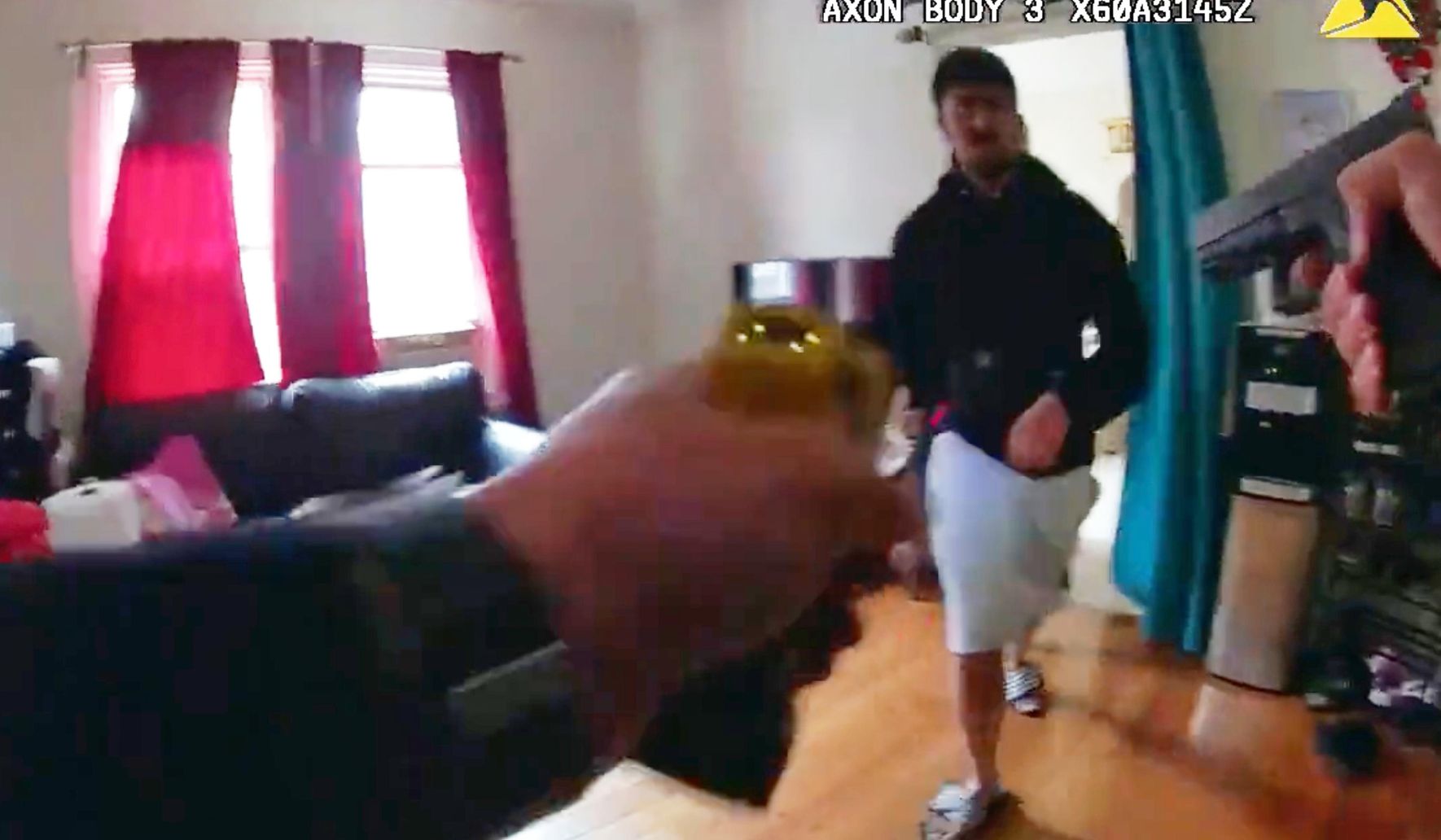
Two New York City police officers will not face charges after the shooting death of a 19-year-old man during a mental health crisis last year, a case that left his mother and brother pleading with officers not to open fire. Prosecutors reviewed the incident and concluded there was insufficient evidence to bring criminal charges, drawing fresh debate about police responses to mental health emergencies. The decision has prompted questions about training, accountability, and how families are treated at scenes of crisis.
The basic facts are stark: a 19-year-old in the grip of a mental health crisis was shot and killed, and members of his family reportedly begged officers not to open fire. Those immediate, emotional images have stayed with the community, fueling anger and grief even as investigators sifted through the evidence. Authorities ultimately decided not to indict the officers involved, saying their review did not support criminal prosecution.
For many residents the outcome feels like a familiar pattern: a tragic death, followed by an investigation, and then a decision that leaves the community divided. Families and neighbors demand answers about why de-escalation techniques failed and whether other options could have been used. At the same time, law enforcement sources emphasize split-second decision making and the legal standards that govern use of force.
Mental health crises complicate encounters in ways that are hard to legislate away. Officers frequently encounter people in extreme distress who may be unpredictable and potentially dangerous, and policies vary on how those calls are handled. Advocates push for better crisis intervention training and more robust partnerships with mental health professionals, arguing that different responses could reduce lethal outcomes.
The legal threshold for criminal charges in officer-involved shootings is significant, and prosecutors typically weigh whether the officer’s actions were reasonable under the circumstances. That legal frame often centers on whether the officer had an honest and reasonable belief that force was necessary to protect life. Critics argue that this standard can be too forgiving and that it fails to hold officers accountable when other options existed.
Families left behind often describe the process as slow and opaque, and they express frustration when a grand jury or prosecutor declines to bring charges. Those feelings are part grief and part a sense of being shut out of the justice system. Community advocates say transparency is key: clearer explanations of investigative steps, timely release of evidence when possible, and better communication with the family can help ease tensions even if charges are not filed.
Policy conversations in the wake of this decision are predictable but crucial: calls for wider use of crisis teams, more training in de-escalation, and revisiting protocols for armed response to mental health calls. Some suggest alternatives such as mental health professionals riding along on certain calls or being dispatched in place of armed officers for nonviolent crises. Opponents of radical change argue that officers need tools to handle unpredictable, potentially dangerous situations and that removing those tools risks greater harm.
Public safety officials say any change must balance the safety of the individual in crisis, the safety of officers, and the safety of bystanders. Implementing new models takes funding, oversight, and coordinated planning across departments and social services. Policymakers face the challenge of creating a realistic system that reduces lethal outcomes while maintaining public order and responder safety.
The family’s pleas at the scene — their raw, human response to fear and loss — remain a painful reminder of what is at stake in these encounters. Those moments shape public perception and drive demand for reform, even when legal systems find no basis for criminal charges. The broader debate will likely continue, with advocates, police leaders, and lawmakers each pressing for different answers about how to prevent the next tragedy.
Whatever policy path is chosen, the incident underscores the urgent need to address how cities respond to mental health emergencies. That work involves training, investment, and honest conversations about risk, responsibility, and the value of human life. The decision not to charge the officers in this case will not be the last word for families, advocates, or officials seeking change and accountability.

