

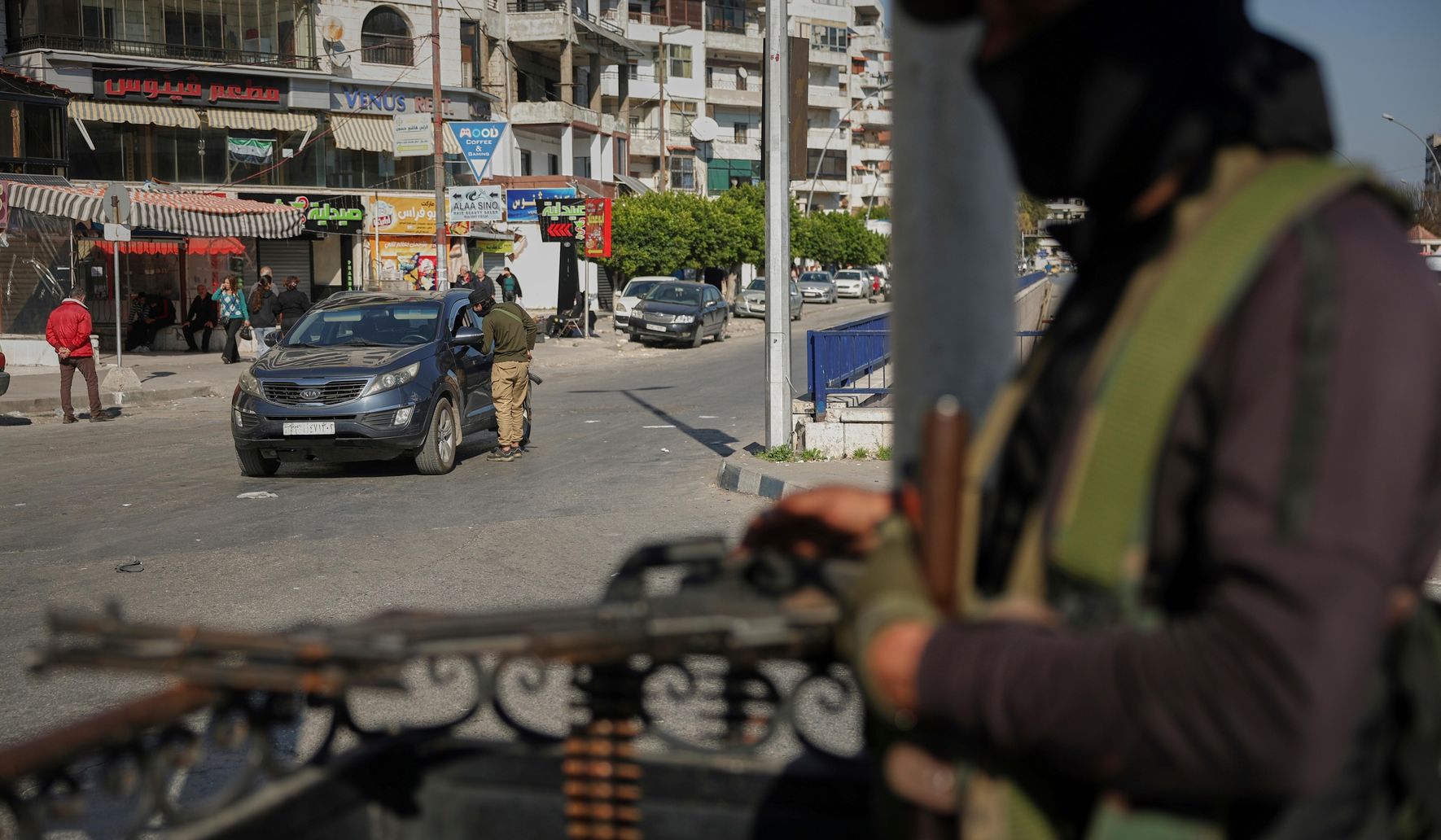
Three Americans — two soldiers and one civilian — were killed Saturday by an Islamic State terrorist in Syria, the Pentagon said, and three U.S. service members were wounded, a stark reminder that the ISIS threat remains active and American forces continue to face danger overseas.
The attack in Syria that killed three Americans — two soldiers and one civilian — shocked communities and raised immediate questions about force protection and mission clarity. Officials confirmed the casualties and the wounded, and the Pentagon has opened an investigation into how a lone attacker was able to strike U.S. personnel. This incident underlines the brutal reality that even small American contingents remain targets for ISIS and affiliated groups.
From a Republican viewpoint, the first reaction is to demand accountability and clear answers from civilian leadership in Washington. Americans rightly expect their military to be provided with rules of engagement, intelligence, and perimeter security that match the risk on the ground. When troops are exposed because of vague missions or insufficient resources, elected leaders should be prepared to explain what they were asking those service members to do and why.
The operational picture in Syria is complex, with multiple armed groups, shifting alliances, and a tenuous U.S. presence intended to prevent an ISIS resurgence. That complexity is not an excuse for avoidable losses of life, it is a reason to reassess posture and tactics. Republican policymakers will press for tougher counterterrorism measures that prioritize force protection while keeping the pressure on core ISIS elements, not symbolic gestures that leave troops exposed.
Intelligence failures and gaps in force protection are often linked, and both must be examined after an attack like this. Commanders need timely human and signals intelligence to identify threats before they strike, and they need the authority to act decisively when warnings appear. Practical steps can include hardened perimeters, increased surveillance, better liaison with trusted local partners, and rules of engagement that allow immediate disruption of clear threats.
The death of American civilians alongside soldiers adds an extra layer of urgency. Civilians serving overseas in advisory, diplomatic, or contractor roles face the same dangers when security is degraded, and their safety must be factored into any policy decision. Republican leaders will argue that protecting every American abroad is not optional, and that weak strategies that ignore noncombatant safety will be rejected at the ballot box and in congressional oversight.
Politically, this attack will fuel debate over the size and nature of U.S. forces in Syria and the broader Middle East. Conservatives typically favor a clear, limited mission with conditions for withdrawal tied to measurable counterterrorism outcomes. The lesson from repeated attacks is that premature drawdowns or muddled objectives create vacuums that jihadists exploit, and that must be part of the conversation in Capitol Hill briefings and committee hearings.
Operational fixes must be paired with diplomatic and regional work to deny ISIS the freedom to regroup. That means pressing regional partners to hold territory cleared of terrorists, increasing intelligence sharing, and sustaining targeted strikes against leadership nodes. Republican policymakers will push for a pragmatic mix of kinetic and diplomatic pressure that keeps the fight on enemy terms while minimizing exposure to American personnel.
Finally, Congress will likely demand briefings and may seek answers about whether adequate force protection measures were in place and properly funded. Oversight should be vigorous and public, but it should also avoid politicizing individual losses in a way that undermines troop morale. The priority must be a sober assessment that translates into concrete changes to protect Americans serving overseas and to ensure that ISIS pays a heavy price for attacks on U.S. personnel.

