

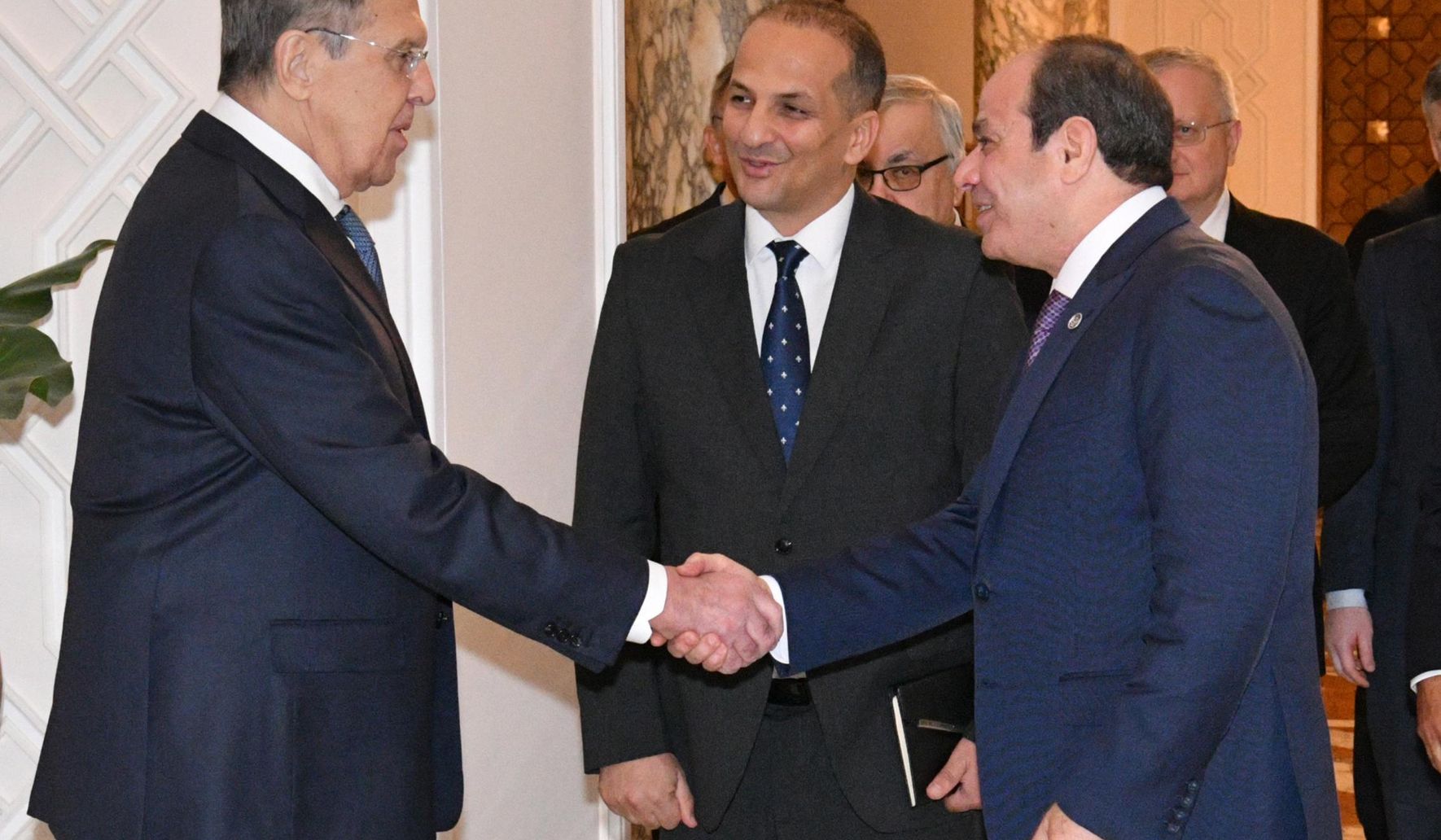
Egyptian President Abdel-Fattah el-Sissi renewed his call for structural change in the U.N. Security Council, arguing that Africa needs a stronger, more influential role in global decision-making to reflect its growing population, economic impact, and security concerns.
President el-Sissi’s appeal is simple and bold: the current Security Council does not reflect the world as it is today. Africa, with more than a billion people and 54 countries, has limited representation at the highest table where decisions on peace and security are made. That gap creates legitimacy problems and dulls the United Nations’ ability to respond to conflicts that have direct global effects.
For many African states, the issue is not prestige but practical influence over decisions that affect their borders, economies, and security. Conflicts, migration flows, climate impacts, and terrorism on the continent have spillover effects that reach Europe and the Americas. When African voices are sidelined, the international response can be slow, misaligned, or ineffective.
From a Republican perspective, calls for reform deserve a clear-eyed response: change should improve outcomes and protect national interests, not simply check a diversity box. Any restructuring should raise the council’s usefulness, make it more accountable, and tie representation to responsibilities and tangible contributions. Expanding membership without clearer rules risks diluting effectiveness and empowering a larger, less decisive body.
That means considering reforms that balance fair representation with functional decision-making. Regional representation could be a workable path: give Africa stronger, rotating influence while preserving mechanisms that prevent gridlock. New seats need clear terms and limits, and any expansion must avoid handing out permanent vetoes that could paralyze urgent action.
Security guarantees and burden-sharing should come with enhanced representation. If African states are expected to shoulder more responsibility for peacekeeping and regional stabilization, they should also have meaningful input on mandates and resources. That approach aligns with conservative principles of reciprocity: rights and influence should follow commitments and capabilities, not political symbolism alone.
Egypt’s own role illustrates why this debate matters. As one of Africa’s largest, most strategically positioned states, Egypt has a stake in Mediterranean, Red Sea, and continental stability. When Cairo argues for a larger African voice, it’s reflecting real strategic concerns about shipping lanes, migration patterns, and regional extremism that affect international trade and security.
Practical reform should also protect the effectiveness of collective decision-making. Procedural clarity, limits on veto power, and stronger enforcement mechanisms would make the council a better tool for preventing conflict. The United States should support changes that strengthen the international system while insisting on accountability, transparency, and respect for national sovereignty.
Ultimately, the debate is not just about seats at a table but about how to get smarter, faster, and fairer responses to crises. If reform can produce clearer mandates, better resourced missions, and more predictable cooperation, it’s worth pursuing. Any move toward that goal must be measured, conservative about expanding permanent privileges, and focused on results rather than appearances.

