

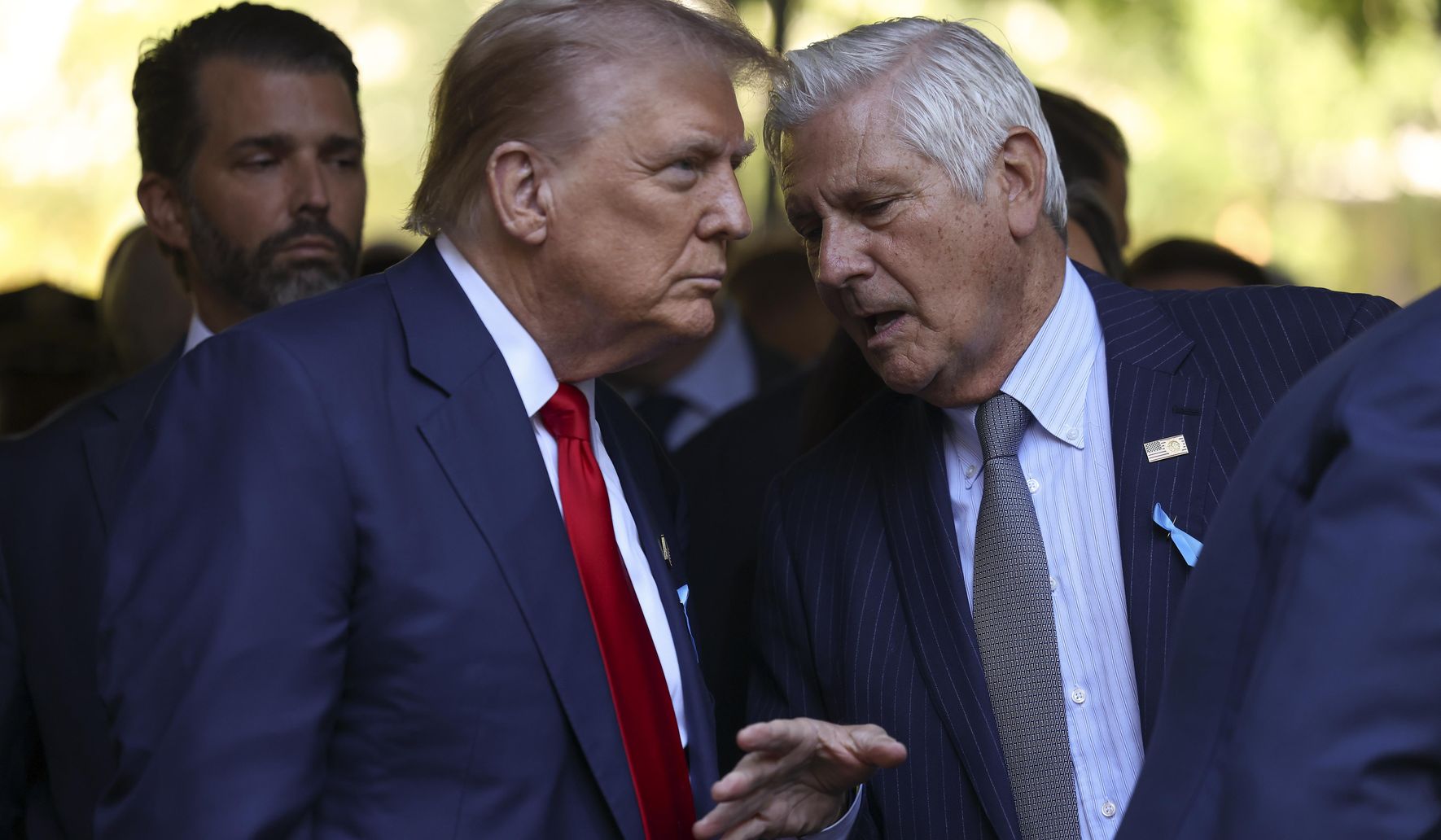
President Trump endorsed GOP Nassau County Executive Bruce Blakeman for New York governor one day after Rep. Elise Stefanik suspended her campaign, reshaping the Republican field and pushing the party toward a single standard-bearer.
President Trump moved quickly to back Bruce Blakeman after Rep. Elise Stefanik suspended her bid for governor, a development that shifts momentum inside the GOP. The endorsement lands right when New York Republicans need clarity, and it sends a clear signal about who the party establishment and its base should rally behind. For many conservatives, Trump’s choice is a shorthand for consolidation and focus heading into a difficult statewide contest.
Bruce Blakeman, serving as Nassau County Executive, brings suburban executive experience and a known name in the downstate GOP network. That background matters in a state where suburban voters and county-level organization can determine whether a Republican message breaks through. The Trump endorsement amplifies Blakeman’s profile and gives his campaign an immediate advantage in fundraising conversations and media attention.
Elise Stefanik’s decision to suspend her campaign removed a prominent contender from the race and created an opportunity for unity under a single Republican standard. For Republicans, avoiding a bruising primary is a strategic win; it preserves resources and prevents intra-party wounds that can linger into the general election. With Stefanik stepping back, the party is positioned to marshal its energy around a candidate backed by the party’s national figure.
The timing of Trump’s endorsement is political muscleplay: it steers donors, activists, and local leaders toward a preferred option and reduces the chance of a fractured field. In a state where Republicans face structural disadvantages, aligning quickly behind one candidate is a logical move to maximize limited resources. It also sets expectations for coordination on messaging, turnout operations, and target demographics across regions that matter to any statewide bid.
Local GOP leaders and activists will now face concrete choices about how to organize for the general election, and many will likely follow the lead of a president who remains the party’s dominant voice. That kind of alignment can accelerate candidate vetting, sharpen policy priorities, and streamline campaign infrastructure. For grassroots organizers, the endorsement simplifies decisions about whom to back and how to deploy scarce volunteer hours and donor dollars.
A Blakeman campaign endorsed by Trump will need to translate high-profile backing into on-the-ground gains, especially in upstate and suburban counties where elections are won. Building name recognition beyond Nassau requires targeted outreach, effective advertising, and a crisp message that resonates with voters across diverse regions. The campaign will also have to prepare for intense scrutiny and pushback from the state’s Democratic apparatus, which will seize on any missteps.
Practical hurdles remain: a statewide campaign demands money, staff, and rapid mobilization of precinct-level efforts that differ from county governance. Even with a national endorsement, winning New York means persuading skeptical voters, unifying a wide ideological tent, and countering deep Democratic advantages in registration and media. Republicans will need disciplined strategy, local buy-in, and a clear contrast to the incumbent’s record to make the endorsement count.
The next steps are straightforward: convert headline-grabbing support into sustained fundraising, expand outreach beyond familiar territory, and maintain message discipline as the calendar advances. For conservatives watching this play out, the hope is that unity under a Trump-backed candidate will sharpen the party’s pitch and make New York voters reconsider entrenched assumptions. How effectively the campaign moves from endorsement to execution will determine whether this moment becomes a turning point or just another headline.

