

U.S. forces struck back hard in central Syria after a deadly attack on American personnel, launching Operation Hawkeye Strike to hit dozens of Islamic State targets with air and artillery power while allied partners supported the push.
The operation came after a brutal incident in Palmyra that killed two U.S. Army soldiers and a civilian interpreter, and wounded others in a convoy attack that investigators suspect involved an ISIS sympathizer inside Syrian security ranks. That assault left three U.S. personnel dead and three soldiers wounded, a stark reminder of the danger still present for the roughly 1,000 American troops stationed in Syria. The loss prompted a clear, forceful response from Washington and allied partners.
By Friday, the United States executed a coordinated set of strikes across central Syria under the name Operation Hawkeye Strike, using F-15 and A-10 jets, Apache helicopters, and HIMARS rocket systems. Over 70 ISIS targets were hit, including fighters, infrastructure, and weapons caches, aiming to degrade the enemy’s ability to stage similar attacks. Jordanian fighter jets also struck Islamic State positions in southern Syria, showing allied commitment to the mission.
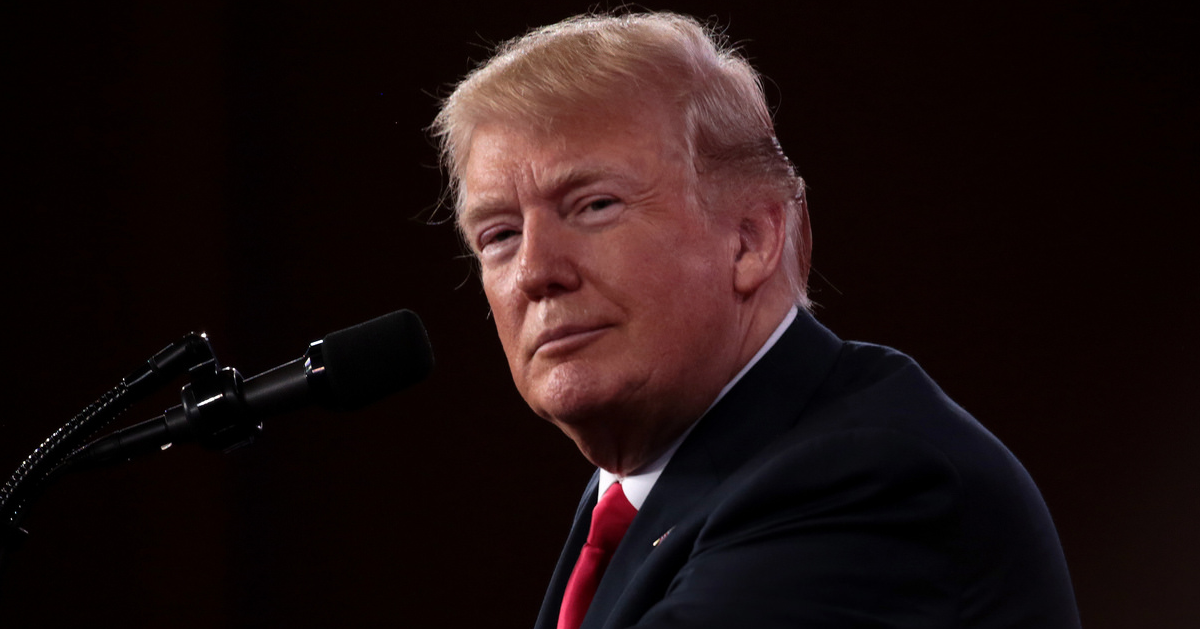
President Donald Trump promised swift retaliation and made good on that promise, signaling a readiness to defend American lives without hesitation. At a rally in Rocky Mount, North Carolina, Trump called the action a “massive” hit and said “it was very successful” in responding to those responsible (Trump). That straightforward posture resonates with voters who expect decisive responses when U.S. service members are attacked.
Defense leaders framed the strikes in unambiguous terms. War Secretary Pete Hegseth described the mission this way: “This is not the beginning of a war—it is a declaration of vengeance,” (Hegseth) underlining that the goal was to punish and deter, not open a new theater. The language sent a message to both domestic critics and hostile actors that attacks on Americans will be met with overwhelming force.
Syria’s central government, now led by a regime that has reasserted control after a 13-year civil war, publicly cooperated with the strikes and pledged to deny Islamic State safe havens on Syrian soil. That cooperation marks a dramatic shift from the chaotic days earlier in the conflict and opens opportunities for targeted operations against shared enemies. Still, working alongside a government that once presided over widespread violence presents political complications that Washington has to manage.
The operation builds on months of U.S.-led coalition airstrikes and partnered ground efforts intended to flush out Islamic State remnants and prevent them from regrouping. Those efforts have included training and intelligence-sharing with local security forces, plus strike packages designed to hit command nodes and supply lines. Continued pressure aims to make attacks against Americans more costly and less likely.
Critics who oppose overseas military actions often focus on the long-term costs and risks of entanglement, and those concerns deserve attention. But the immediate calculus for many conservatives is straightforward: American blood was spilled, and a strong, proportional response is required to protect troops and deter further attacks. Standing down in the face of such ambushes would invite more violence against U.S. personnel and allies.
Operationally, the combination of air power, helicopters, and HIMARS allowed commanders to strike a broad array of targets quickly and with precision, limiting the time ISIS units had to disperse. Targeting fighters, infrastructure, and weapons caches aims to blunt the group’s ability to plan and execute future operations. The inclusion of Jordanian air support reinforced the coalition’s regional ties and showed partners are ready to act alongside the United States.
Recent diplomatic moves have created an unusual environment for cooperation, including a White House visit by Syria’s President Ahmed al-Sharaa last month, reflecting a tactical alignment against extremism. Those engagements suggest Washington is exploring pragmatic, interest-based arrangements where necessary to eliminate common threats. The tough-minded approach taken here combines military pressure with diplomatic signals to shape outcomes in a dangerous neighborhood.
For conservative policymakers and voters, the message is clear: protecting Americans abroad remains a core duty and will be pursued with resolve. Operation Hawkeye Strike demonstrated that readiness with force, allied support, and diplomatic maneuvering all working together. The immediate goal is to make any future attack on U.S. personnel far less likely and far more costly for those who consider striking American forces.

