

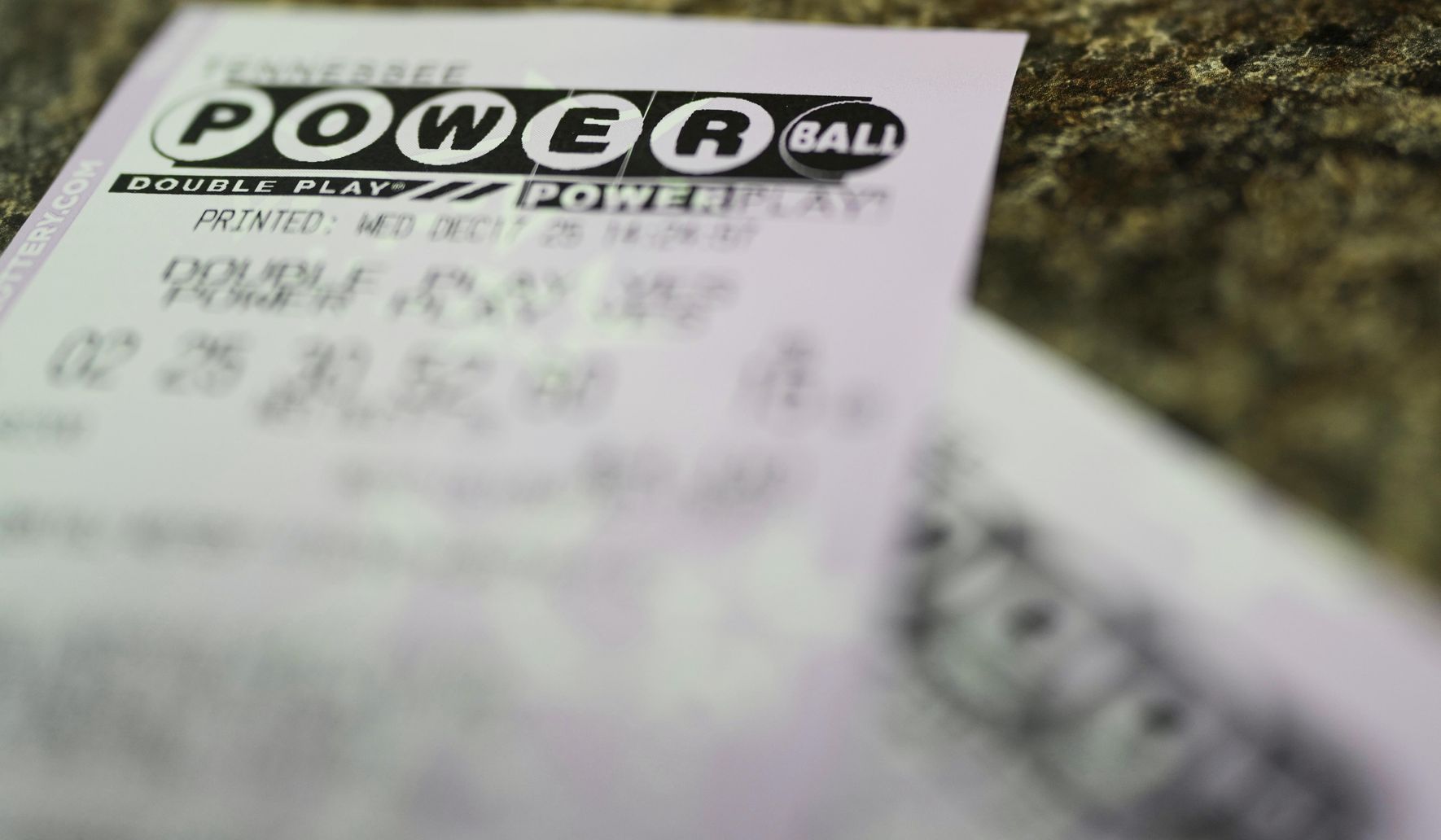
American lottery players waited on Monday with hopes pinned to a massive Christmas-era jackpot that could turn a single ticket into a life-changing sum.
Across the country, interest in the weekend drawing swelled as the jackpot climbed into eye-catching territory. Players talked about dream purchases and bills wiped clean while retailers reported lines and quick sales. The spike in attention is a familiar pattern whenever the prize hits headline numbers.
The headline figure matters because it drives behavior, with casual players squeezing in a quick line and regular ticket buyers increasing their spend. State lotteries see surges in revenue during these moments, and that money still funds public programs though many players focus only on the fantasy of winning. It is the combination of big headlines and the hope of overnight security that fuels the frenzy every season.
Odds remain stubbornly against any single ticket producing a winner, a fact that rarely stops the hopeful from buying. The mathematics behind the drawing are simple and exact, leaving chance as the only variable any player can influence. Most experts recommend treating lotteries as entertainment rather than an investment strategy because the expected value is negative for individual ticket holders.
When jackpots reach record levels, conversations turn to payout choices: annuity or lump sum. The annuity option spreads payments over decades and often results in a larger nominal total, while the lump sum pays less up front but gives immediate control. Winners need to weigh taxes, inflation, and personal patience when deciding which path to take.
Taxes are another unavoidable reality and can reduce a headline jackpot substantially once federal and state levies are applied. Professional advisors advise winners to assemble a team quickly to navigate tax law, estate planning, and investment decisions. Without a plan, sudden wealth can disappear just as quickly as it arrived, so getting the right counsel is critical.
History shows many different outcomes for high-profile winners: some keep quiet and invest wisely, others become public figures and face new pressures. Transparency laws vary by state, and in some places identity must be revealed, which changes the dynamics of claiming a prize. The initial shock of a big win is only the start of a long set of financial and personal choices.
Community impact often follows large jackpots because lotteries fund schools, infrastructure, and local projects in many states. Skeptics point out that regressive spending patterns mean lower-income households spend proportionally more on tickets, raising ethical questions. Still, the revenue stream can produce tangible public benefits when allocated responsibly by state governments.
Retailers and small businesses sometimes see an immediate bump when jackpots climb, with convenience stores selling more tickets and nearby shops getting extra traffic. Economists note the short-term boost is mostly local and transient, though publicity around a big win can put a town on the map. That buzz can last beyond the drawing itself, driving curiosity and occasional tourism.
At the end of the day, millions participate each drawing with a mix of caution and optimism. The ritual of checking numbers and imagining possibilities keeps the game alive, and holiday timing only magnifies those emotions. Whether for a dream purchase, a fresh start, or just a thrill, the lottery continues to draw attention whenever the pot swells to headline size.

