

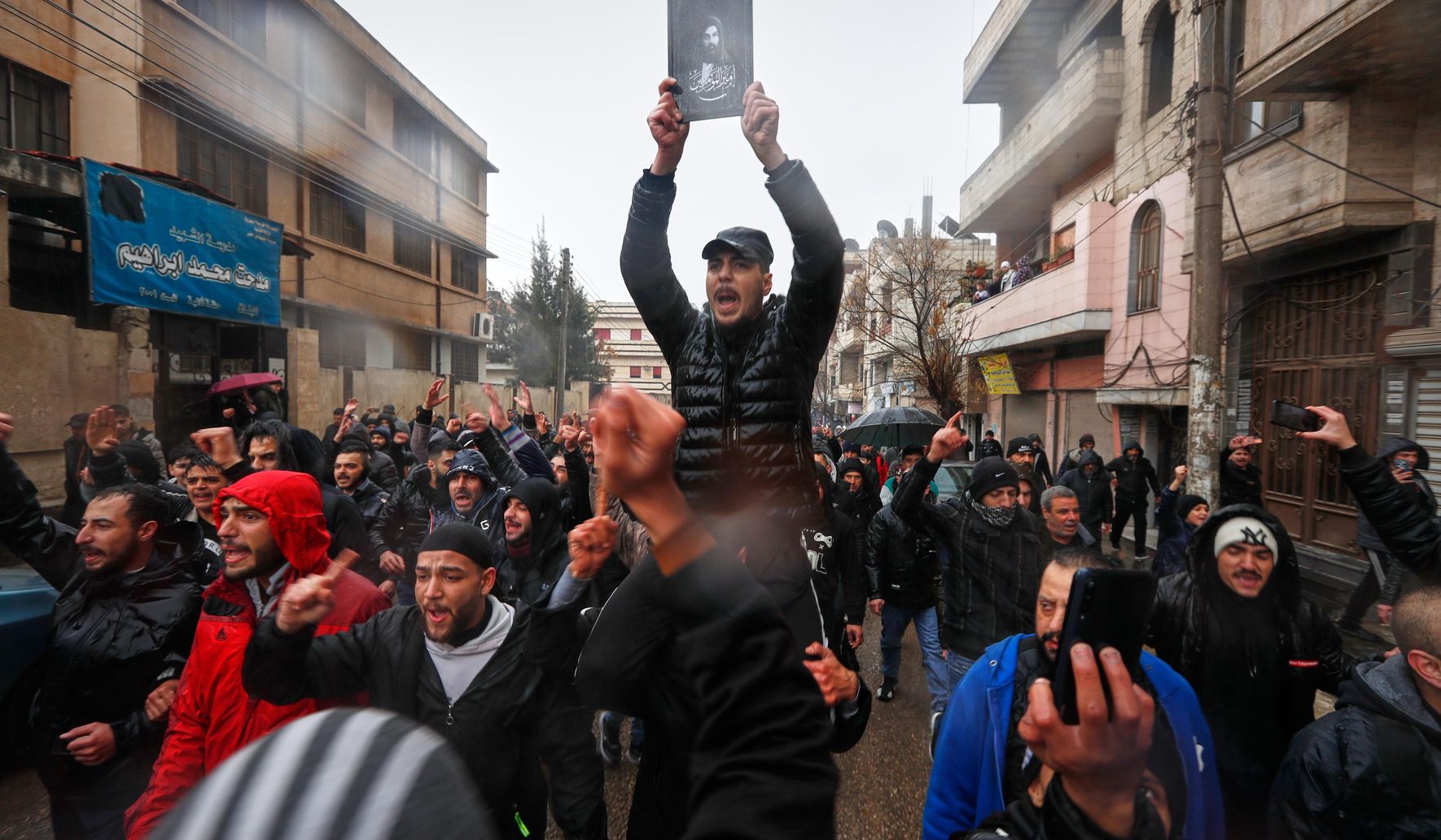
Hundreds of mourners gathered Saturday in the rain and cold outside a mosque in Homs for the funeral of eight people killed in a bombing, and an imam warned that the attack could
The scene outside the mosque in Homs was bleak and tightly packed, with hundreds of people braving rain and cold to pay respects to those killed. The funeral honored eight people who died in a bombing that shook the neighborhood and left families searching for answers. Mourners moved slowly through the crowd, some holding hands, others staring down at the wet pavement, hesitant to break the fragile quiet.
People in the crowd spoke in small clusters, trading fragments of what they had seen and what they feared might come next. There was a mix of prayer and low conversation as umbrellas bobbed above heads, forming a sea of brief shelter against the sky. The mood was tense but determined, as those present tried to keep the focus on the dead while the implications of the attack lingered.
An imam warned that the attack could
The imam’s words — left unfinished in some reports — carried weight, signaling the deep unease felt across the community. Whether the warning pointed to escalating violence or long-term repercussions, it underscored how fragile security feels in parts of the country. For many families, those few words expressed a general fear that the bombing could widen suffering or deepen divisions that already exist.
Homs has been a symbol of Syria’s long struggle, and attacks like this reopen familiar wounds for residents who have endured years of conflict and instability. The city’s neighborhoods have seen rebuilding alongside reminders of past violence, and every new attack revives questions about protection and justice. Residents said they want clear answers and accountability, even as daily life keeps pressing in around their grief.
Local leaders and community organizers moved through the crowd offering support and trying to keep the funeral orderly amid a charged atmosphere. Volunteers helped guide people to shelter when the rain intensified, and small groups worked quietly to coordinate practical needs for families of the victims. Those on the ground emphasized simple things: making sure elders could sit, that children were kept warm, and that the grieving were not left alone in the weather.
News of the bombing spread quickly through neighborhoods and social networks, pulling neighbors into conversation about safety and what might be done to prevent similar attacks. People traded tips about routes to avoid and places to check for missing loved ones, and local mosques and community centers filled with those seeking both information and consolation. The immediate response was grassroots, driven by relatives and neighbors who stepped forward without waiting for official direction.
Medical workers and local clinics faced the sudden need to tend to the wounded, even as families tried to organize funerary rites and burial arrangements. Hospitals in the area have dealt with surges before, and staff members mobilized to handle another wave of casualties and emotional strain. Volunteers and health professionals worked late into the night, balancing practical care with attempts to comfort those who had lost family members.
For many in Homs, the bombing reopened questions about long-term security and the route to stability after years of unrest. Conversations in the streets and at the funeral ranged from calls for protection to frustration at the slow pace of recovery in parts of the city. People expressed a mix of anger and resignation but also a desire to rebuild community ties that violence keeps fraying.
Outside the mosque, as the rain eased, the crowd slowly dispersed yet remained tethered to the day’s events by a shared sense of loss. Some stayed to speak privately with family members; others walked away carrying flowers or bundled reminders of the ceremony. The funeral was one moment in a longer story of coping and searching for answers, and the questions it raised will likely follow the city for some time.

