

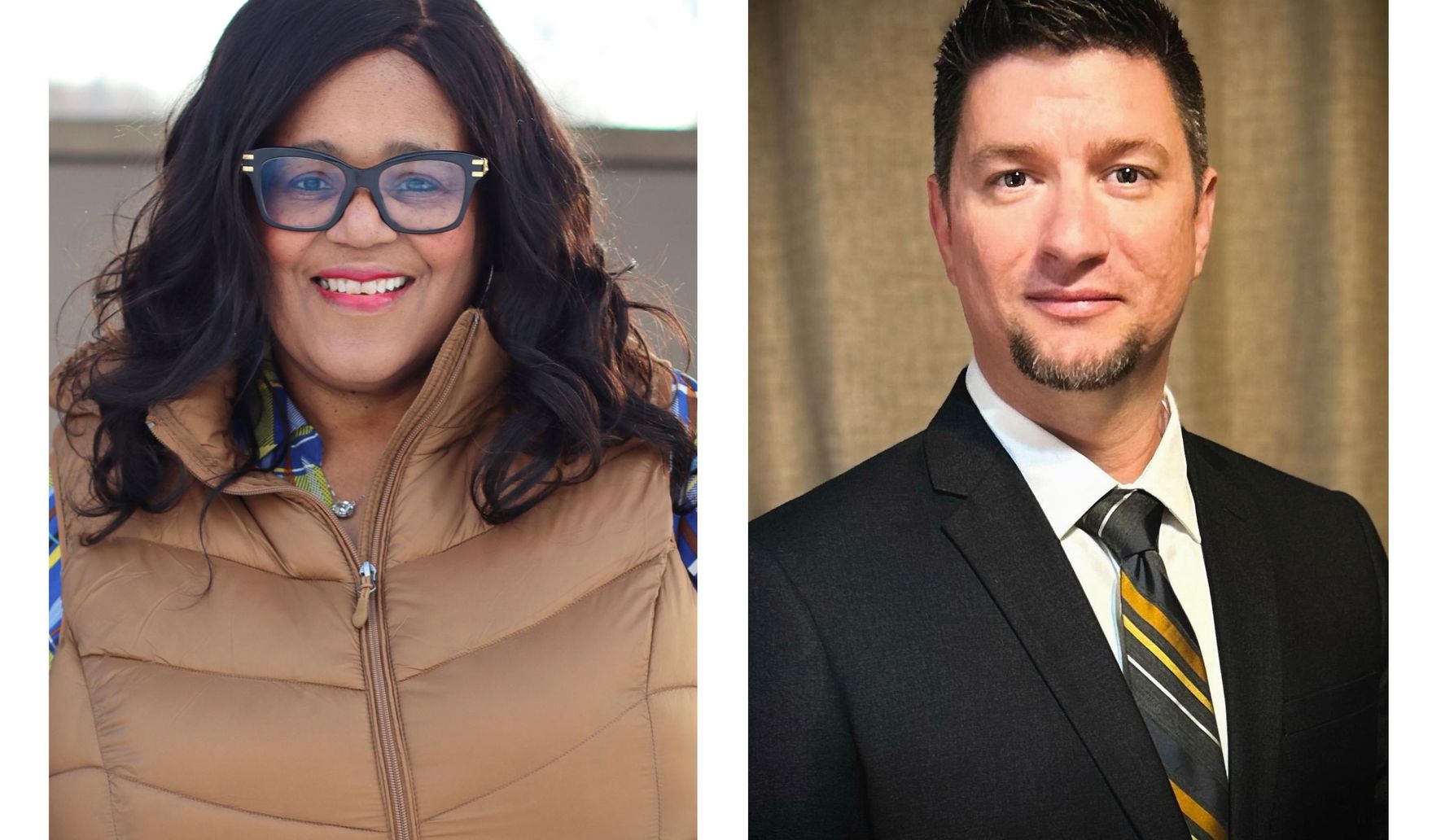
Some Iowans will vote in a special state senate election on the final Tuesday of the year, a contest that hands Republicans a clear shot at reclaiming two-thirds control of the chamber.
The special election arriving on the last Tuesday of the year feels like a political punctuation mark for Iowa as 2026 begins. Voters will pick a state senator to fill a vacancy, and that single seat carries outsized importance for the balance of power. For Republicans, the math is simple: winning here moves the party closer to a two-thirds majority that changes how the legislature governs.
Timing matters. Holding a special election on the final Tuesday of the year creates unique turnout dynamics, with holidays and travel squeezing the electorate. Campaigns will be forced to adapt, focusing on energized voters and reliable get-out-the-vote tactics instead of broad, casual persuasion. That advantage tends to favor the side with the most motivated base, which in this case could play to Republican strengths.
Local issues will shape the race, but so will statewide priorities like taxes, school policy, and regulatory reform. Candidates will use this contest to articulate plans on education freedom, economic growth, and cutting bureaucracy — themes that resonate with conservative voters in Iowa. Expect messaging to highlight practical results rather than abstractions, because a single seat flips policy leverage quickly.
National attention tends to be thinner for special elections, but political operatives will still watch closely because of the downstream effects. With a two-thirds majority, a party gains levers over procedural rules and veto overrides, shifting how the statehouse functions day to day. That reality drives donors, volunteers, and strategists to invest time and money into what otherwise might look like a local contest.
Ground game will be decisive. Door-knocking, targeted calls, and precinct-level turnout operations win special elections more often than expensive advertising. Republican organizers have an opportunity to deploy disciplined field programs and deliver voters who show up when it counts most. That disciplined approach can turn a narrow opportunity into a clear result.
Voter engagement will also spark conversation about election timing and accessibility, with critics pointing to holiday scheduling as a barrier to participation. Supporters argue that filling the vacancy promptly respects voters and keeps the legislature fully operational. Both sides will use the optics to motivate their respective bases and shape public narratives around civic duty.
Beyond the immediate stakes, this race will set signals for the 2026 cycle in Iowa and neighboring states, offering lessons about turnout, messaging, and coalition-building. Political operatives will study who votes and why, then adjust tactics for upcoming primaries and general elections. In short, this special election is small in scope but potentially large in consequence for how the next legislative session is run.

