

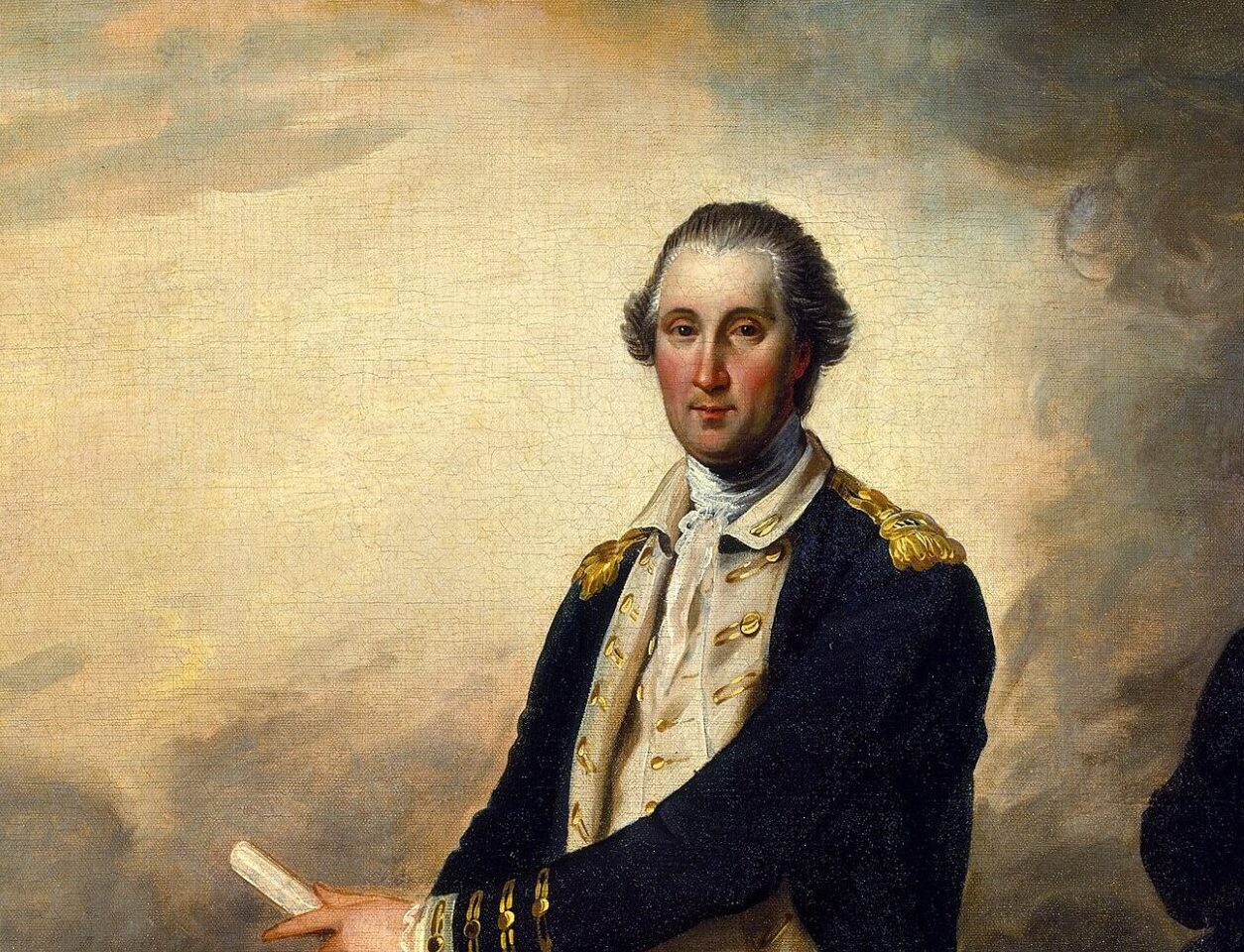
George Washington towers over the founding story as the central figure in America’s fight for independence and the steady hand who helped turn revolution into a republic.
George Washington’s name is shorthand for leadership in a crisis, and that reputation wasn’t handed to him by accident. He faced raw, inexperienced armies, scarce supplies, and a fractious Congress, yet he kept the cause alive through stubborn discipline and clear-eyed resolve. His ability to hold together a slipping rebellion until victory was real and consequential.
Washington’s military judgment blended patience with boldness when it mattered, and that mix won key moments on the field. He avoided ruinous pitched battles when the odds were against him and struck when opportunities appeared, which preserved the Continental Army through its darkest hours. Those choices were less about glory and more about survival and the long game for independence.
Beyond tactics, his leadership depended on earned respect from officers and soldiers who trusted him to be fair and unflinching. He punished wrongdoing, rewarded competence, and set standards of conduct that kept units functional under pressure. That combination of discipline and moral authority gave the revolution a backbone it otherwise lacked.
When the war ended, Washington did something rarer than winning battles. He refused to turn victory into personal rule, setting a precedent for civilian control and peaceful transitions of power. Choosing to step back from power and return to private life altered the course of human events, showing that American leadership would be grounded in principle, not throne or title.
Washington’s role in shaping the Constitution and the presidency balanced the need for effective national leadership with protections against tyranny. He understood that a republic required institutions that could govern without suffocating liberty, and he supported structures that promoted stability and accountability. That pragmatic conservatism is a thread running through modern debates over limited government and durable order.
Character was central to his example, and Americans still look to it as a standard for public life. Washington’s restraint, willingness to accept criticism, and attention to duty modeled a civic ethic that held the new nation together. Those traits are not sentimental relics; they are practical tools for governing diverse societies under the rule of law.
Washington’s legacy is not flawless or frozen in marble. He made compromises that reflected the politics and limits of his era, and some of those choices demand honest scrutiny today. Still, the core of his contribution — steady national leadership, fidelity to constitutional order, and a preference for principle over personal rule — remains instructive for anyone thinking about how to keep liberty safe and government effective.
We remember him not as a saint but as a leader whose actions mattered more than his titles. His example shows how courage combined with restraint can produce lasting institutions rather than fleeting triumphs. That balance is what allowed a fragile experiment in self-government to endure and evolve into something larger than its founders could have fully imagined.

