

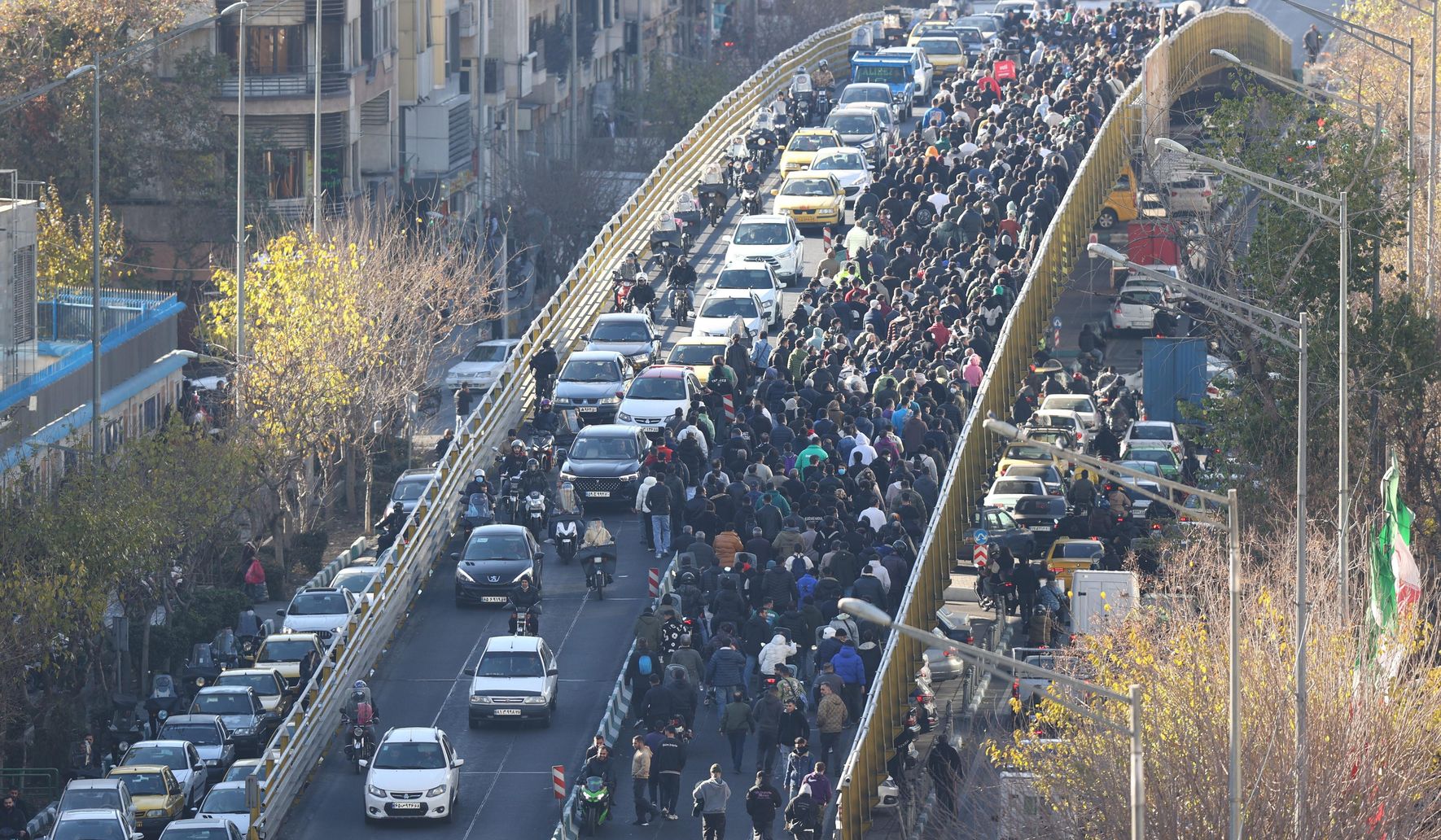
The recent unrest in Iran has turned deadly, with activists reporting an escalating toll and a hardening crackdown by Tehran. The violence that began in the streets has shifted into a broader test of the regime’s willingness to use force, and it is already leaving visible costs for civilians and regional stability. International attention is growing as conservative voices argue the regime should face consequences for the loss of life.
The death toll in violence surrounding protests in Iran has risen to at least 35 people, activists said Tuesday. That number reflects clashes across several cities and underscores how protests can turn into lethal confrontations when security forces move to suppress dissent. Local witnesses and activist networks are the primary source of the casualty figures being reported abroad.
From a Republican perspective, the core issue is accountability. A government that kills its own citizens in the name of order forfeits moral legitimacy, and that reality should shape how foreign policymakers respond. Politicians who once favored engagement now face pressure to insist on consequences for state violence rather than reward bad behavior.
Tehran’s security response looks like a familiar pattern: control the streets, control the story. State media and security apparatuses move quickly to frame protests as foreign-instigated, while authorities detain organizers and tighten public space. That sequence is meant to choke off momentum and intimidate anyone considering public dissent.
There are practical strategic stakes beyond the human cost. Instability inside Iran reverberates across the Middle East, affecting oil markets, proxy conflicts, and fragile alliances. Republican analysts worry that a regime desperate to stay in power could take risks that create bigger regional headaches for the United States and its partners.
Human rights are not a partisan talking point for conservatives who value liberty and order. When citizens face lethal force for expressing grievances, that challenges basic conservative principles about government legitimacy. The debate now is how to balance strategic restraint with moral clarity, without appearing to reward repression.
Information is a battlefield in moments like these. Activist groups, social media, and independent journalists provide much of the early reporting, while state actors move to disrupt communications and arrest those who broadcast from the ground. That tug-of-war over facts shapes international reactions and the ability of outsiders to assess the situation accurately.
On the diplomatic front, any response will carry tradeoffs. Sanctions, targeted diplomacy, and public condemnations each have consequences for ordinary Iranians and regional dynamics. Conservative voices argue for targeted measures that hit the regime elite and its security apparatus, not broad policies that hurt the population most affected by repression.
There are also long-term risks tied to how this moment is handled. A miscalculated international posture could embolden hardliners in Tehran or leave reformist currents without leverage. The coming weeks will matter for whether the unrest becomes a larger movement with lasting political effects or is squeezed back into quiet by force.
The images and reports coming out of Iran should not be dismissed as mere noise. They represent a test of both the regime’s durability and the international community’s willingness to respond when a state uses lethal force against its people. For conservative observers, the focus is on accountability, clear policy that protects American interests, and standing for principles that include human dignity and rule of law.

