

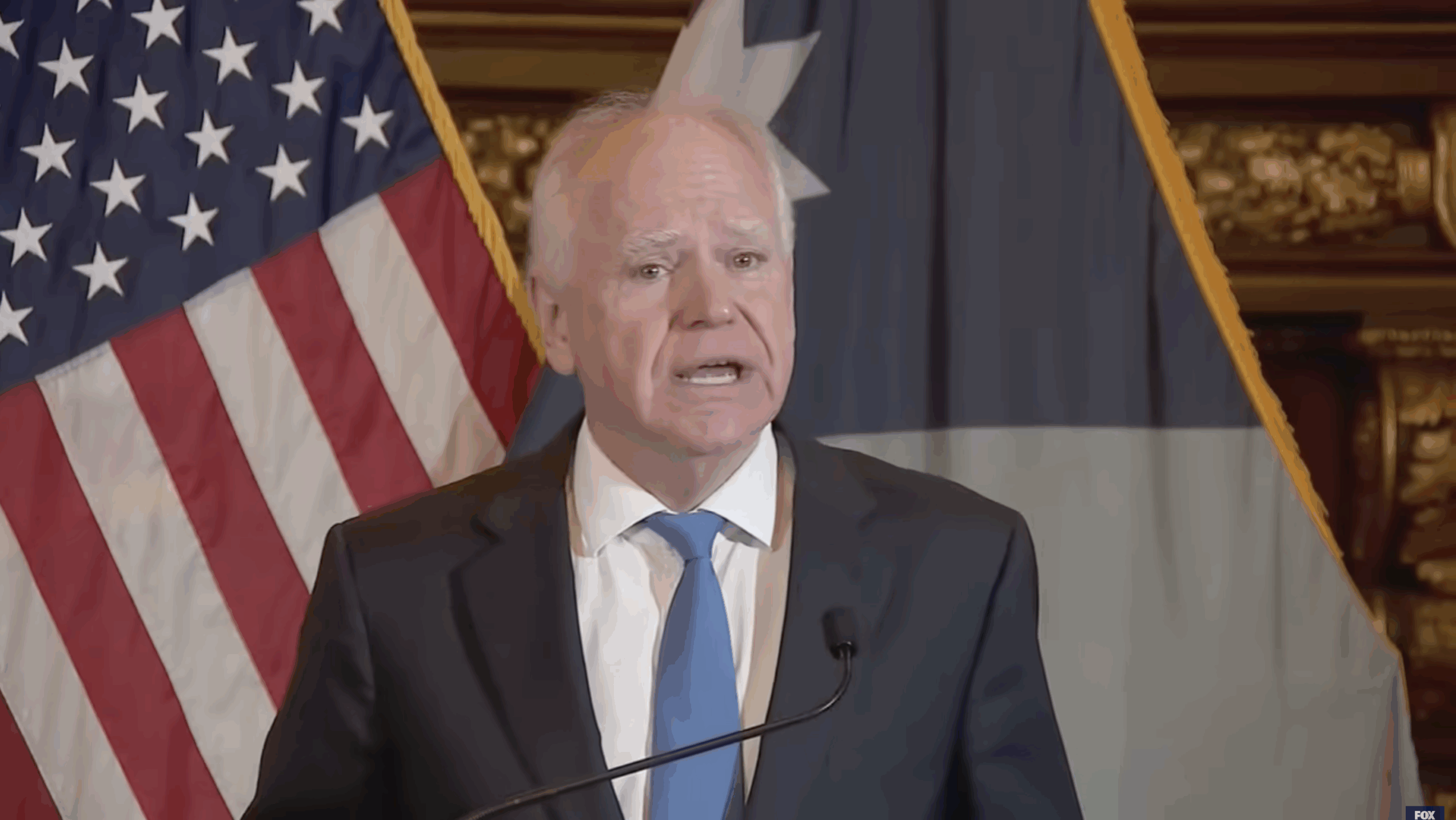
Minnesota’s governor has stepped back from a second term bid amid a sprawling welfare fraud investigation that federal agents say involved billions in stolen taxpayer dollars.
Minnesota Gov. Tim Walz announced Monday he was dropping his reelection bid after a massive fraud scandal in his state became impossible to ignore. Federal investigators allege that billions in taxpayer funds were stolen through a vast welfare fraud scheme that operated for years under Walz’s watch. The move to exit the race pits questions about oversight and accountability against a crowded political timeline.
The story, as reported, centers on alleged theft on a scale that forced attention from federal authorities and shook confidence in state systems. Conservative observers say this is exactly the sort of failure that happens when lax oversight meets expansive entitlement programs. That view frames the scandal not as an isolated crime spree but as a symptom of broader policy and managerial breakdowns.
Walz’s decision to bow out of the campaign trail came after criticism mounted and scrutiny intensified over how widespread the fraud became before detection. For many Republicans, the question is simple: who knew what and when, and why were controls so weak? Those questions drive the push for hearings, audits, and tougher rules for program administration.
Public trust erodes fast when billions are alleged to have gone missing and officials appear slow to respond. The political fallout now touches not only one administration but also the party infrastructure that supports state programs. GOP messaging will likely emphasize restoring fiscal responsibility and safeguarding benefits meant for the truly needy.
There is no version of the story in […]
That quoted fragment has been left intact in reporting and it captures how incomplete and contested the public narrative remains. Many details are still being gathered by investigators, and certainty is limited until indictments and court records fill the gaps. Meanwhile, messaging from partisan camps fills the vacuum with sharp critiques and pointed demands.
Republicans are positioning themselves around familiar themes: tighter eligibility checks, stronger identity verification, and more frequent audits. Those are practical priorities that appeal to voters tired of seeing taxpayer dollars vanish with little consequence. The political argument also leans on a broader skepticism about centralized program expansion without commensurate accountability.
Critics on the left will likely defend safety-net intentions while calling for improved administration rather than program cuts. That split sets up a predictable debate heading into the next electoral cycle: more oversight and efficiency versus protecting access. The former is where conservative voters and leaders stake their claim in the wake of this scandal.
Beyond the immediate political swirl, there are operational failures to fix. State agencies will need to review protocols, upgrade data cross-checks, and collaborate with federal partners to prevent future abuse. Republicans will push for stronger penalties and a clearer chain of responsibility so similar schemes can be detected earlier.
Some will argue the fraud highlights the risks of rapid program growth without modern systems to monitor outcomes. When eligibility systems are outdated or coordination between agencies is weak, gaps appear that bad actors can exploit. That practical concern frames the policy prescriptions Republicans are likely to press in hearings and legislative sessions.
Walz’s announcement signals a pause in his political trajectory and hands momentum to rivals who will claim a mandate for change. Campaign strategists in both parties will recalibrate quickly, but the practical aftermath is what matters most for taxpayers. Fixes to processes, not just political talk, will determine whether similar abuse resurfaces.
For now, federal investigators will proceed with their work, and state leaders will face pressure to show swift reforms. Republicans will use the scandal to argue for accountability and to tighten the rules surrounding public assistance. That tactical response aims to reassure voters that taxpayer money will be defended more vigorously moving forward.
In the weeks to come, expect committees, audits, and public testimony as part of a broad effort to understand the scope and causes of the alleged fraud. Policy debates will center on balancing access to help with ironclad safeguards that block criminal exploitation. The GOP message will be clear: protect the vulnerable, but protect taxpayers first.
The scandal will be debated in courtrooms, committee rooms, and at the ballot box, and it will influence how state governments manage large-scale assistance programs. For conservatives, the priority is simple and direct—restore integrity, tighten oversight, and make sure public funds go where they are supposed to go. That approach will shape both policy responses and campaign narratives in the coming months.

