

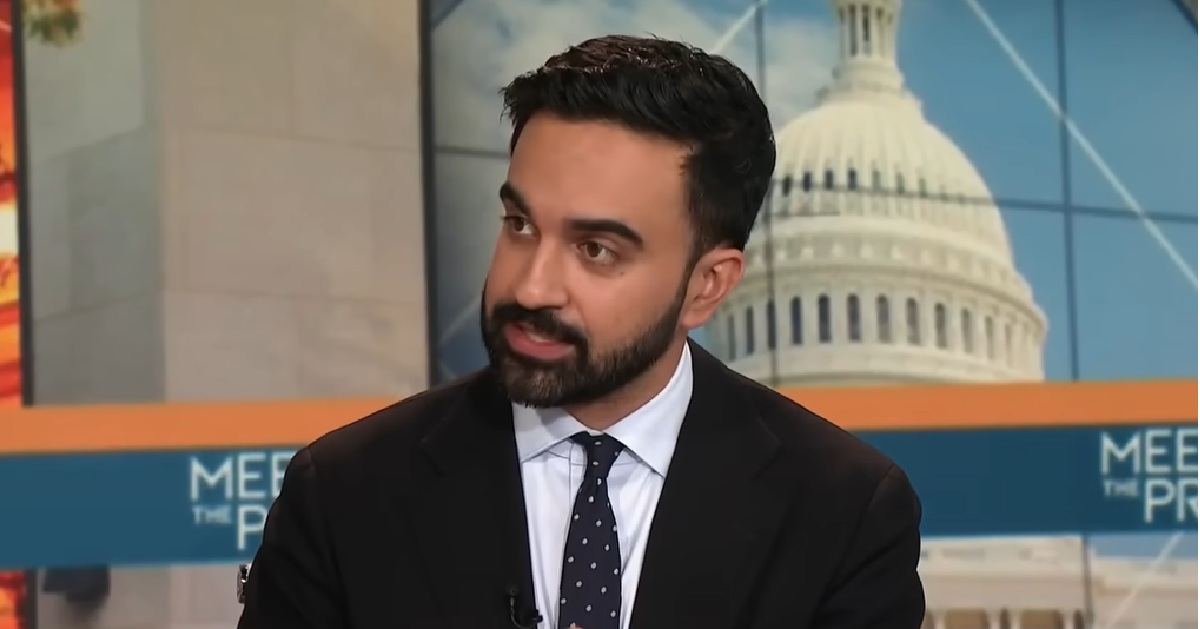
New York City Mayor Zohran Mamdani claimed federal briefings on the U.S. military capture of Nicolás Maduro, then acknowledged he does not have federal security clearance to receive such intelligence, a misstep that raises questions about judgment and accountability.
When a city mayor asserts knowledge of a major international operation, it should come with credentials to match. Over the weekend Mamdani said he had been updated about the alleged capture and planned custody of Venezuelan President Nicolás Maduro and his wife, a statement that landed him squarely in a credibility problem once he admitted he lacks federal clearance.
The initial claim was dramatic and specific: “I was briefed this morning on the U.S. military capture of Venezuelan President Nicolás Maduro and his wife, as well as their planned imprisonment in federal custody here in New York City,” he said. Those are serious words for a local official to use without clear authority, and they instantly invited scrutiny from conservatives and independents who expect leaders to know their limits.
Maduro is not a routine political target. U.S. courts have previously tied him to the Cartel of the Suns and long-standing accusations of election rigging and repression, and the federal government put a $50 million bounty on him. Any mention of his capture by the military is national-security level material, not fodder for municipal press releases or political theater.
The follow-up came quickly and undercut the original flourish. At a Monday briefing a reporter asked a direct question about federal vetting and clearance, and Mamdani replied in a way that suggested the brief he touted was internal rather than an official federal update. “That briefing, yes, was conducted by my team,” he said, a line that raises the obvious issue: who gave his team the information in the first place?
When pressed further—“So you do have it?”—Mamdani ultimately answered plainly: “No, not as yet.” That admission changes the tone from bold insider to someone relying on unverified material. For conservatives watching civic competence and respect for institutions, this is not a small oversight; it is a leadership failure worth calling out.
Public officials who talk beyond their remit risk real consequences. False or premature statements about a federal operation could disrupt sensitive coordination, leak intelligence, or simply misinform residents during tense moments. New Yorkers deserve mayors who focus on tangible city matters and defer to federal authorities on operations they are not cleared to discuss.
If Mamdani’s staff provided inaccurate details or a source misled the mayor, Texans and New Yorkers alike have reason to expect a transparent explanation. Accountability matters because trust in governance is earned by competence, not by headline-grabbing claims that collapse under basic questioning. Conservative values demand that elected officials answer calmly and clearly when they stray.
This episode also spotlights the broader risks when local politicians try to ride national-security headlines for attention. Victories against narco-terrorism and international drug networks are wins for public safety, and they deserve sober handling. Playing them for political theater diminishes the real work done by military and law enforcement professionals.
There’s also a practical point: federal clearances exist for a reason. They protect operations, sources, and intelligence methods. If a mayor wants access to high-level briefings, there is a process; sticking a foot in the door with public statements is not how responsible officials build credibility. Voters expect their leaders to respect institutional boundaries and to pursue oversight through proper channels.
For conservatives monitoring this story, the next steps are straightforward: demand clarity about the origin of the claim, insist on honest answers about who briefed Mamdani’s team, and ensure safeguards are in place so municipal spokespeople do not amplify unvetted claims. The public interest is in clear, accountable leadership—not spin.
The focus must remain on the alleged capture and the charges against Maduro, who has been accused of leading a narco-terrorism network that threatens American communities. But the conversation about policy and justice should not be derailed by avoidable political flubs from local officials eager for the spotlight.
No one expects a mayor to run foreign policy, but New Yorkers do expect a mayor to know where to draw the line. Statements about federal military actions require precision and the proper clearance; anything less invites confusion and damages trust in leadership at a time when clarity matters most.

