

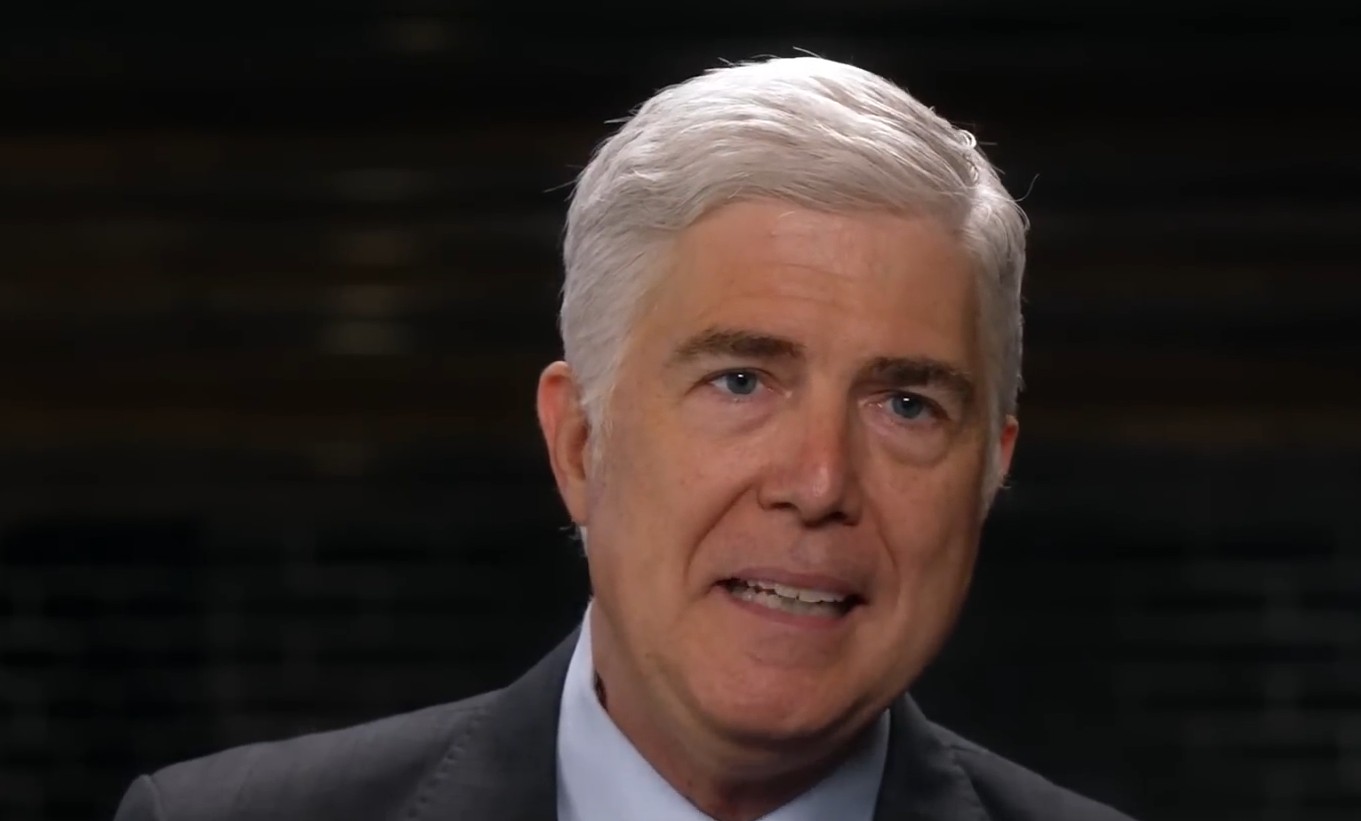
Gorsuch’s opinion in Bostock has reshaped how federal agencies treat gender identity, and the Biden administration has used that ruling to press policy across federal programs and funding.
Gorsuch authored Bostock, the case the Biden administration used to enforce ‘transgender’ ideology across the federal government and in states and localities that received federal funding. That single line changed how courts and agencies read Title VII’s ban on sex discrimination, turning a narrow employment statute into a sweeping argument for covering gender identity. The decision’s ripple effects reached far beyond hiring disputes, touching schools, prisons, health care, and public benefits.
The opinion itself leaned on textualism, arguing that firing someone for being gay or transgender necessarily involves discrimination “because of sex.” Gorsuch wrote with a sharp, literal focus on statutory words, and many conservatives admired the method even if they disagreed with the outcome. Still, critics point out that applying that text to gender identity leads to policy shifts the statute never contemplated when Congress passed it.
What followed was not just court decisions but aggressive agency reinterpretation. Agencies took Bostock as a green light and rewrote rules and guidance to require recognition of gender identity in multiple federal programs. That administrative momentum is what put the decision at the center of debates over federal power and cultural policy.
The practical consequences showed up everywhere administrators look: bathroom and locker room rules, prison housing, medical treatment protocols, and school policies about records and pronouns. Where federal funding is involved, recipients learned that compliance would be judged against the newer, broader interpretations of sex discrimination. For many Americans, the result was abrupt policy change without the usual legislative debate.
Legal conservatives raised two big objections: judges and agencies were reading new rights into old laws, and the executive branch was using funding conditions to coerce state and local policy. That combination makes people worry about separation of powers and about how far unelected officials can reshape social norms. The argument is not only technical; it is about who decides core social questions—Congress, the courts, or administrative bureaucracies.
States felt the pressure, too, because federal money often comes with strings. When funding recipients must follow agency interpretations of Bostock, state policy autonomy can shrink overnight. That dynamic produces tension between federal objectives and state prerogatives, especially in areas like education and public safety where local control has traditionally mattered.
Religious institutions and advocates for women’s spaces warned about collisions with conscience, privacy, and competitive fairness. Schools and athletic programs, for instance, faced immediate disputes over how to balance inclusion claims with protections for female athletes. Religious hospitals and charities confronted mandates that appeared to conflict with their doctrinal practices and hiring standards.
From a Republican perspective, the right move is to restore the statute’s original meaning and limit administrative overreach without ignoring genuine cases of discrimination. Lawmakers and courts can aim for clarity about what Title VII actually covers, and regulators should not be able to unilaterally expand civil-rights protections into areas Congress did not intend to touch. At the same time, debates about fairness, safety, and religious liberty deserve careful, public discussion—decisions made by elected representatives, not by opaque agency memos.
What matters now is cleaner lines between law and policy, and a recognition that landmark opinions have consequences far beyond the parties in a single case. The ripple from Bostock is still moving through federal agencies and everyday institutions, and those consequences will shape debates over federal power, individual rights, and the proper role of judges and regulators for years to come.

