

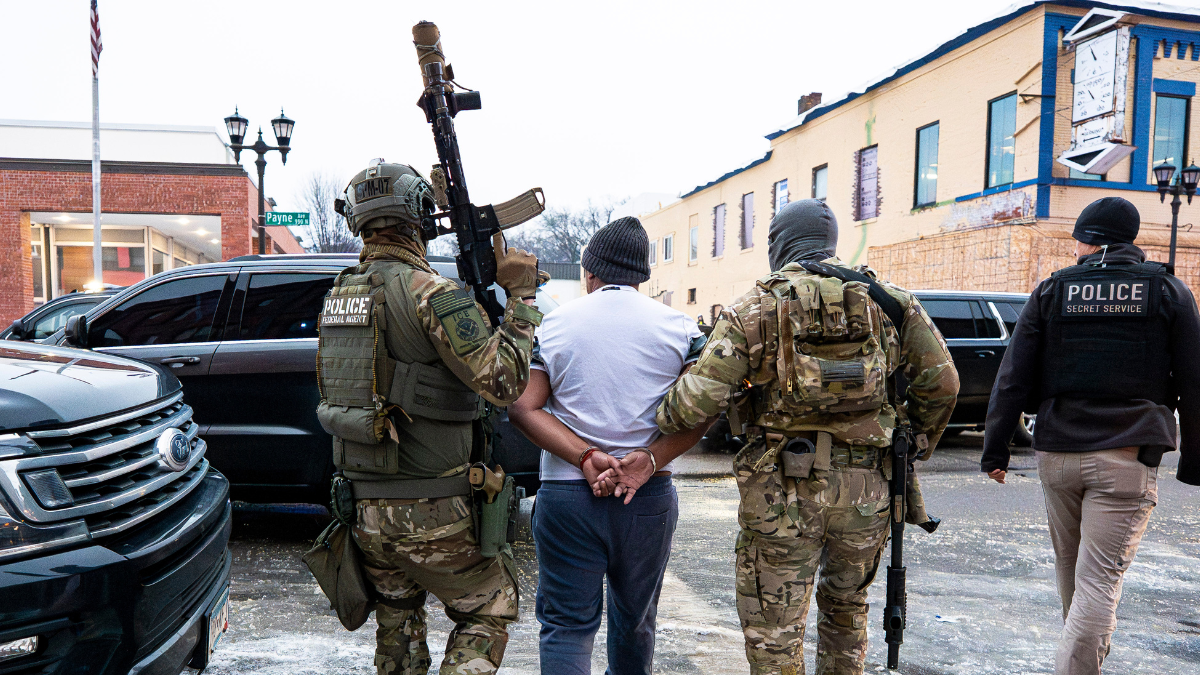
This article argues that recent national unrest is the result of Democratic policies and that restoring a healthy public life demands a decisive, law-first response to leftist anarchy to reclaim cultural stability.
Across cities and campuses, we’ve seen a breakdown in norms that once held communities together, and that breakdown didn’t happen by accident. Democratic leadership has pushed policies and rhetoric that tolerate lawlessness and punish dissent, creating space for radical behavior to spread. From local governance to national signals, the result is less order and more permissiveness toward chaos.
Calling for a forceful crackdown is not about crushing opposition for its own sake; it’s about reestablishing boundaries that keep society functional. When officials look the other way or vilify those who speak up for order, people lose faith in institutions meant to protect them. A clear, consistent enforcement posture sends the message that public safety and civic norms matter again.
Leftist anarchy describes a pattern: sustained disruption framed as protest, institutions pressured into silence, and public spaces surrendered to destructive acts. Too often, those disturbances are tolerated under the banner of social change rather than treated as criminal acts. That tolerance erodes trust and invites more extreme behavior, widening the gap between citizens and the rule of law.
Restoring cultural stability requires a visible recommitment to laws that protect everyday life and to leaders who value stability over applause. That means defending free speech while refusing to let intimidation decide what can be said in public. It also means supporting civic rituals and public institutions that reinforce shared values instead of allowing them to be hollowed out.
There is a moral dimension to order: communities thrive when people know their rights and responsibilities are respected equally. Allowing anarchy to flourish rewards those who break rules and punishes those who follow them, which undermines fairness and civic cohesion. Reasserting standards restores the sense that the system works for law-abiding citizens.
Practical steps consistent with a forceful approach include holding accountable those who foment disorder and ensuring law enforcement has the authority to protect the public without being hamstrung by political theater. That accountability must be public and consistent so it cannot be dismissed as partisan. When consequences are predictable and applied evenly, deterrence replaces chaos.
Politically, insisting on order is also a defense of the open society conservatives want to preserve: one where people speak freely, gather peacefully, and pursue prosperity without fear of rioting or intimidation. The alternative is a long slide into factionalism where power is seized by whoever can disrupt more effectively. A determined, principled response reclaims civic space for productive life and debate.
We can be strong without being oppressive, and firm without being cruel; the point is to restore a baseline where disagreement happens through votes and conversation, not violence and vandalism. That baseline supports families, businesses, schools, and faith institutions that form the backbone of cultural stability. Rebuilding that baseline starts with a straightforward public commitment to enforce laws and protect the common good.

