

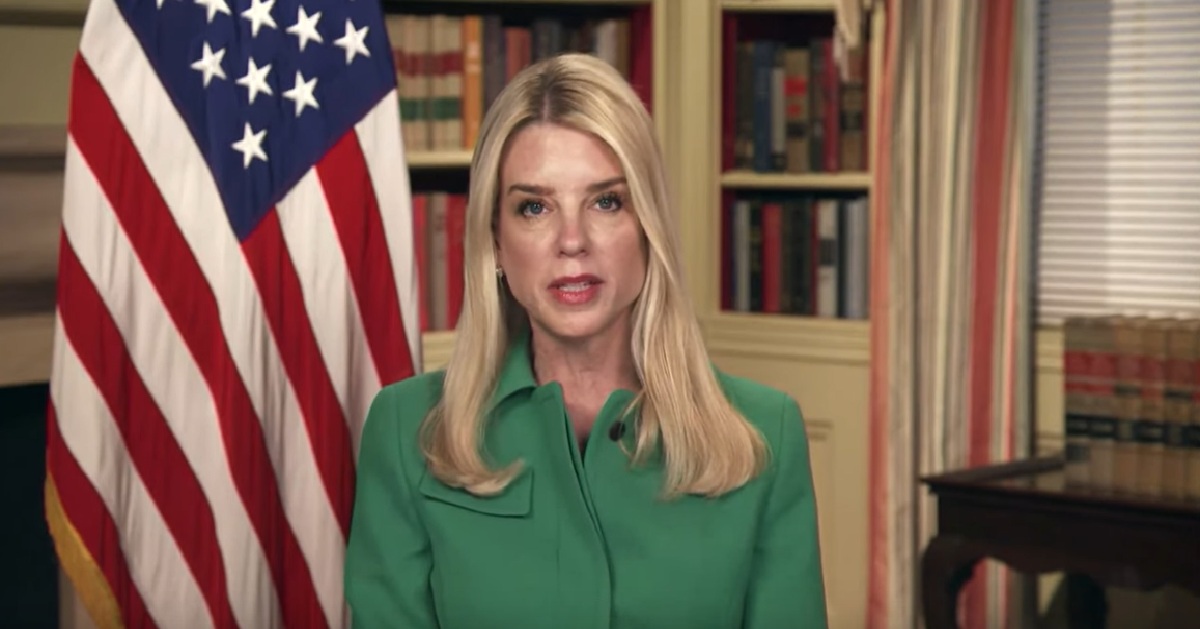
Minneapolis reels after a Border Patrol agent shot and killed a local resident during an immigration enforcement operation, sparking protests, a high-profile letter from U.S. Attorney General Pam Bondi, and calls for extra security from city officials.
A Border Patrol operation in Minneapolis ended in tragedy Saturday when an agent fired at least 10 shots while the man identified as Pretti was on the ground. Video of the encounter has ignited street protests and sharp debate over how federal and local authorities should interact. Officials and residents alike want answers about what led to lethal force being used in a residential neighborhood.
Border Patrol Commander-At-Large Gregory Bovino said Pretti was armed with two loaded magazines and that he lacked identification when agents confronted him. Bovino did not clarify whether a weapon was drawn or where it was during the moments captured on video. The missing details have fed public skepticism and intensified calls for a full, transparent investigation into the shooting.
Minneapolis Police Chief Brian O’Hara confirmed that Pretti held a legal permit to carry and that his record showed only minor traffic violations. Observers have pointed out that footage reportedly does not show Pretti holding a gun at the time shots were fired. Those gaps in the record are stoking anger and raising questions about rules of engagement during federal operations in the city.
Within hours of the shooting, U.S. Attorney General Pam Bondi sent a forceful letter to Gov. Tim Walz demanding cooperation and warning that federal agents could be withdrawn under certain conditions. Her note presented a “path” for ICE and other federal agencies to scale back their presence unless state-level policies change. That kind of ultimatum landed as protests were still unfolding, making the political temperature even hotter.
Bondi’s letter lists specific steps she wants Minnesota to take, including sharing state records on Medicaid and SNAP programs and allowing ICE access to state corrections facilities for detainee interviews. She also called for the Department of Justice to review voter rolls for compliance with federal law. Those demands underscore a federal push to enforce immigration priorities and to pry open state systems that some officials view as barriers to enforcement.
Her reference to “Operation Metro Surge” points to a broader federal campaign that has already provoked backlash from local leaders who say the presence of feds fuels unrest. That operation has been linked to another deadly encounter earlier this month, when an ICE agent shot and killed Renee Good on Jan. 7. The string of incidents has hardened attitudes and prompted loud calls for accountability on all sides.
Supporters of Bondi’s approach argue a tougher federal stance restores law and order and protects communities from crime tied to sanctuary policies. Critics see it as heavy-handed, an intrusion on state sovereignty timed insensitively during a new death and ongoing protests. Both positions reflect a deep divide over who sets and enforces immigration priorities in American cities.
Mayor Jacob Frey asked for National Guard assistance to back up local police and emergency personnel as demonstrations grew in size and intensity. City officials say extra manpower helps secure hospitals, neighborhoods, and critical infrastructure while investigations proceed. The presence of the Guard adds a new dimension to a standoff already framed as federal versus local control.
The political theater around demands and defenses threatens to drown out the core need for a clear, independent inquiry into the shooting itself. Family members, neighbors, and activists want factual answers about why an agent fired so many times and under what conditions. Law enforcement leaders on all levels are being pushed to produce timelines, forensic results, and body camera or surveillance evidence quickly.
Republican officials, including Bondi, frame this as necessary to uphold federal laws and protect communities, while local Democratic leaders see it as a test of their authority and a possible escalation of tensions. That clash is playing out in public statements and policy postures instead of solely in investigative channels. Meanwhile, Minneapolis residents remain caught between competing claims and a loss of life that demands clarity.
The shootings tied to Operation Metro Surge and the ensuing political maneuvers have made Minneapolis a national flashpoint in the debate over immigration enforcement. Calls for transparency, cooperation, and restraint are growing louder as protests continue and the investigative timeline stretches out. What happens next will shape how federal and local authorities interact in other cities facing similar disputes over jurisdiction and public safety.
Officials at every level say they will keep working as details emerge, but those words are thin comfort to a community searching for both facts and accountability. The collision of enforcement actions, legal demands, and public outrage underscores how fraught immigration operations have become in the current political climate. Residents, policymakers, and lawmen will be watching each development closely as the situation unfolds.

