

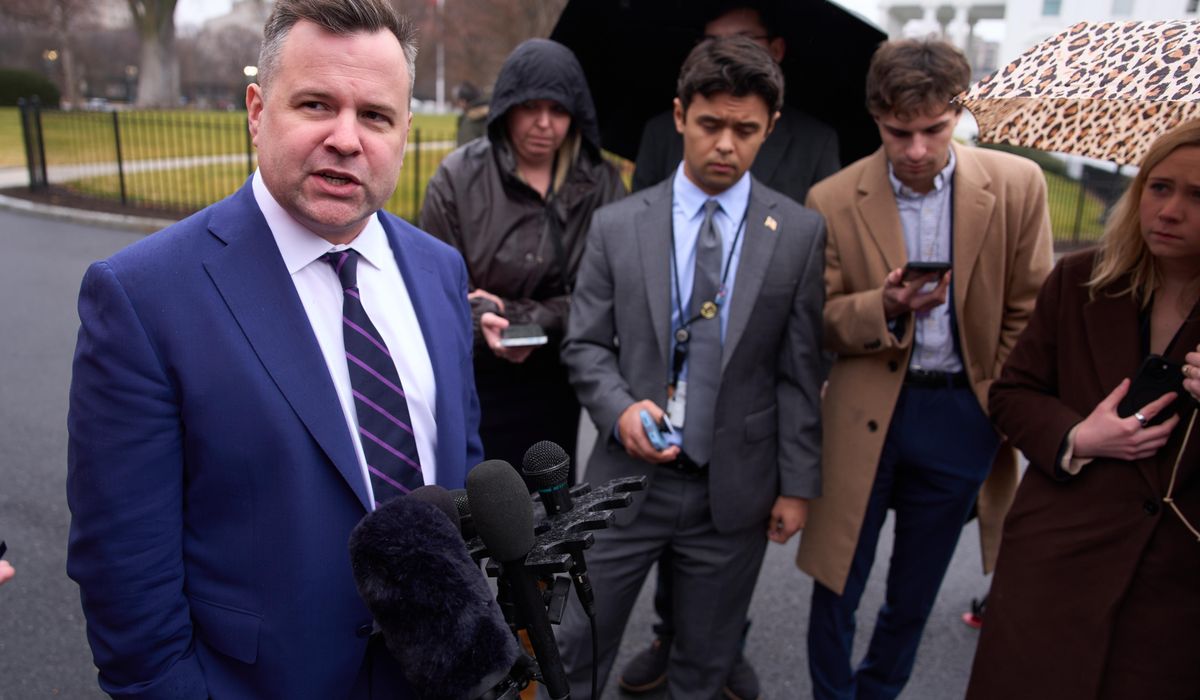
President Trump’s federal housing finance director, Bill Pulte, secretly authorized Fannie Mae and Freddie Mac to nearly double their mortgage bond purchases to $225 billion each, a $170 billion increase, raising questions about disclosure, taxpayer risk, and the direction of housing finance policy.
This move by Bill Pulte happened under President Trump’s administration and it was done without broad public notice. The jump to $225 billion each is large enough to reshape the housing finance market and deserves clear accounting. Republicans should be loud about the need for transparency when the federal government quietly changes where taxpayer dollars are exposed.
Doubling mortgage bond purchases at Fannie Mae and Freddie Mac shifts huge amounts of credit risk onto entities backed by implicit government support. That exposure can look like a bailout in slow motion, and it invites moral hazard where private lenders expect federal cushions. Conservatives who favor private markets ought to question any step that substitutes government scale for market discipline.
Supporters will argue the increase steadies mortgage markets and keeps rates affordable for buyers. There is a case for short-term intervention in times of crisis, but any intervention of this scale should come with a clear, public rationale. Secret authorizations undercut both accountability and the ability of Congress to exercise proper oversight.
Taxpayer protection must be front and center whenever government-affiliated firms expand balance sheets by hundreds of billions. That means explicit limits, stress testing, and contingency plans that are transparent to taxpayers and markets alike. Republicans should press for clawback mechanisms and rapid disclosure whenever exposure is escalated.
Market distortion is another real risk. When government-related entities buy vast quantities of mortgage bonds, pricing signals get muted and private capital shrinks away from certain segments. Over time that reduces competition and innovation in mortgage lending, and taxpayers end up bearing losses that private investors would have absorbed in a properly functioning market.
There are governance questions to answer about how decisions like this are routed and approved. Who at the federal housing finance office reviewed the plan, and were legal and economic assessments performed? Republicans should demand to see memos, board minutes, and the legal basis that justified nearly doubling purchases without a public process.
Any policy change touching Fannie Mae and Freddie Mac also has broader political implications for housing policy and the 30-year mortgage model. Conservatives who want a more resilient housing finance system need to advocate reforms that reduce systemic risk while expanding opportunity for ownership through private capital. Doing that requires clarity, not secrecy.
Finally, there are electoral and reputational stakes. Actions taken in the name of stability can become liabilities if taxpayers suffer losses or markets wobble because decisions were hidden. Republicans must push for immediate disclosure, stronger oversight, and rules that prevent this kind of unilateral, large-scale ramp-up without congressional input and public debate.

