

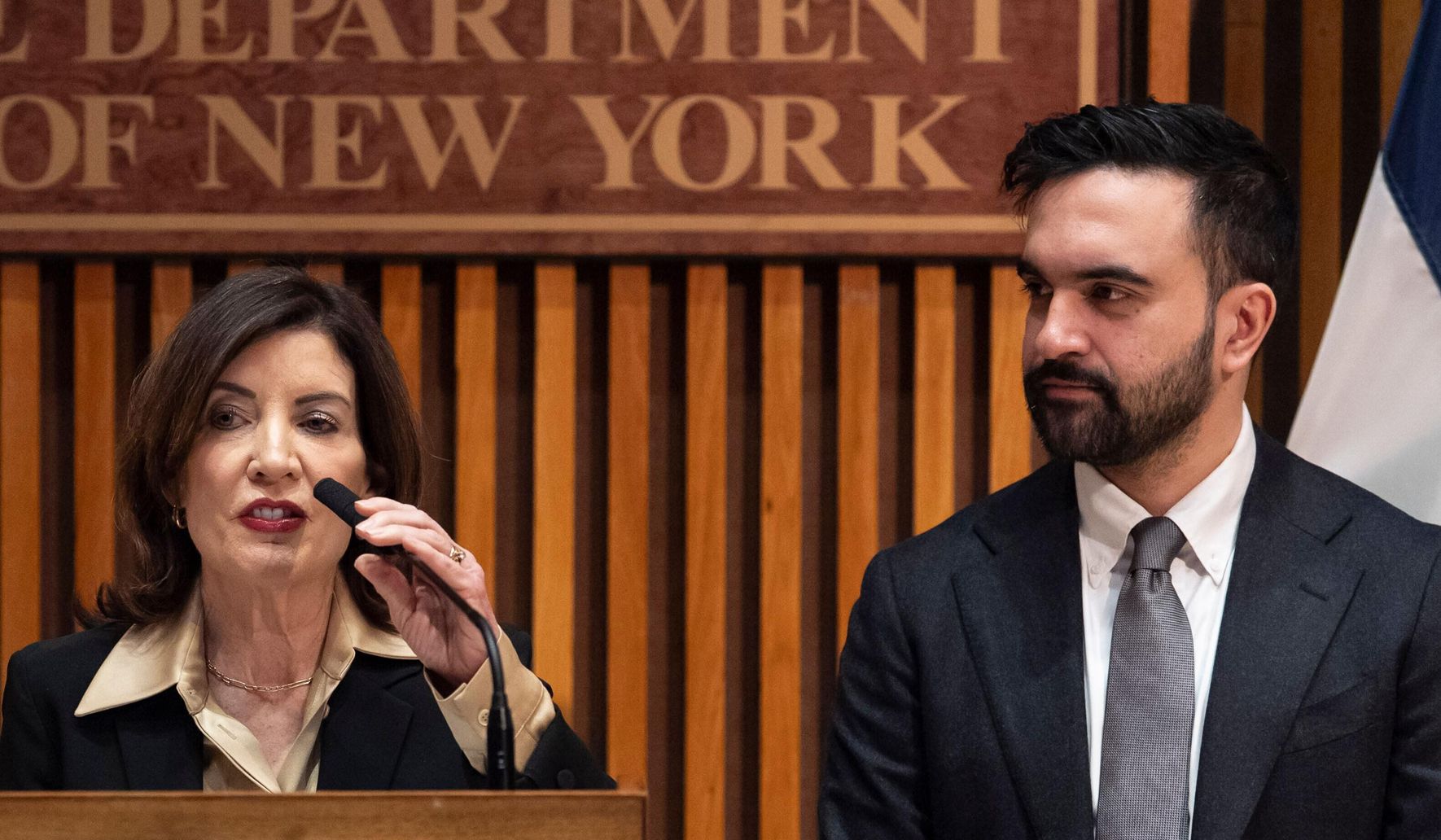
New York City Mayor Zohran Mamdani endorsed New York Gov. Kathy Hochul for reelection on Thursday, offering the Democrat a boost against her more liberal opponents. The endorsement lands at a tense moment in New York politics, where moderate and progressive wings of the Democratic Party are at odds. For Republicans watching, this move crystallizes the choice voters will face between incumbent pragmatism and left-leaning experiments.
An endorsement from a high-profile city leader can reshape attention and resources, even if it does not decide an election outright. Mamdani’s backing gives Hochul a public stamp of urban support that her campaign can use when courting undecided voters and donors. Republicans see this as further evidence that Democrats are consolidating behind the establishment, rather than offering fresh alternatives.
From a Republican point of view, the core question is whether that consolidation helps the state or simply locks in more of the same. Hochul’s record, like many incumbents, is a mixed bag in conservative eyes: steady on some fronts, soft on others. Conservatives argue the governor has not done enough to address issues like public safety, taxes, and economic freedom, and they view endorsements as attempts to paper over those shortcomings.
Mamdani’s decision signals where urban elites think power should flow within the Democratic coalition. For Republicans, the concern is that this alignment prioritizes political survival over real policy fixes that matter to everyday New Yorkers. Issues like crime rates, housing affordability, and small-business vitality are often overshadowed by intra-party maneuvering that plays well in fundraising circles but less so at kitchen tables.
The political math also matters for the general election. A Democrat who leans back toward the center could be harder for Republicans to beat in statewide races, but that assumes voters reward moderation. Conservatives argue that clear contrast on policy and a principled message on law and order, fiscal restraint, and parental rights can still win swing voters. That means Republicans need disciplined messaging and a candidate who can appeal beyond the party base.
On the ground in New York City, endorsements matter for volunteers and ballot-line coordination more than headlines. Local party leaders and ward organizations often follow cues from prominent figures, and that can translate into turnout advantages in primaries. Republicans see a chance to exploit voter fatigue when Democrats rally around familiar names instead of answering tough questions on results and accountability.
There’s also an electoral lesson for the GOP: failure to engage voters on their immediate concerns hands opponents an opening. Republicans who want to win statewide must offer concrete, popular remedies for public safety, taxes, and services, while avoiding abstract critiques. The party’s strategy has to combine disciplined policy proposals with effective grassroots organization to capitalize on Democratic missteps.
Media coverage tends to spotlight endorsements as symbolic victories, but practical politics is about votes and margins. While Hochul can tout Mamdani’s support to show unity, the longer campaign will test whether that unity translates into broader voter confidence. Republicans will be watching approval ratings, fundraising trajectories, and primary polling to gauge whether this boost actually moves the needle.
Ultimately, Mamdani’s endorsement gives Democrats a talking point and a short-term headline, but it does not erase real policy debates. For conservatives, the focus remains on holding elected officials accountable and offering voters a compelling alternative. The weeks ahead will reveal whether endorsements shift momentum or simply rearrange the political furniture before voters make their choice.

