

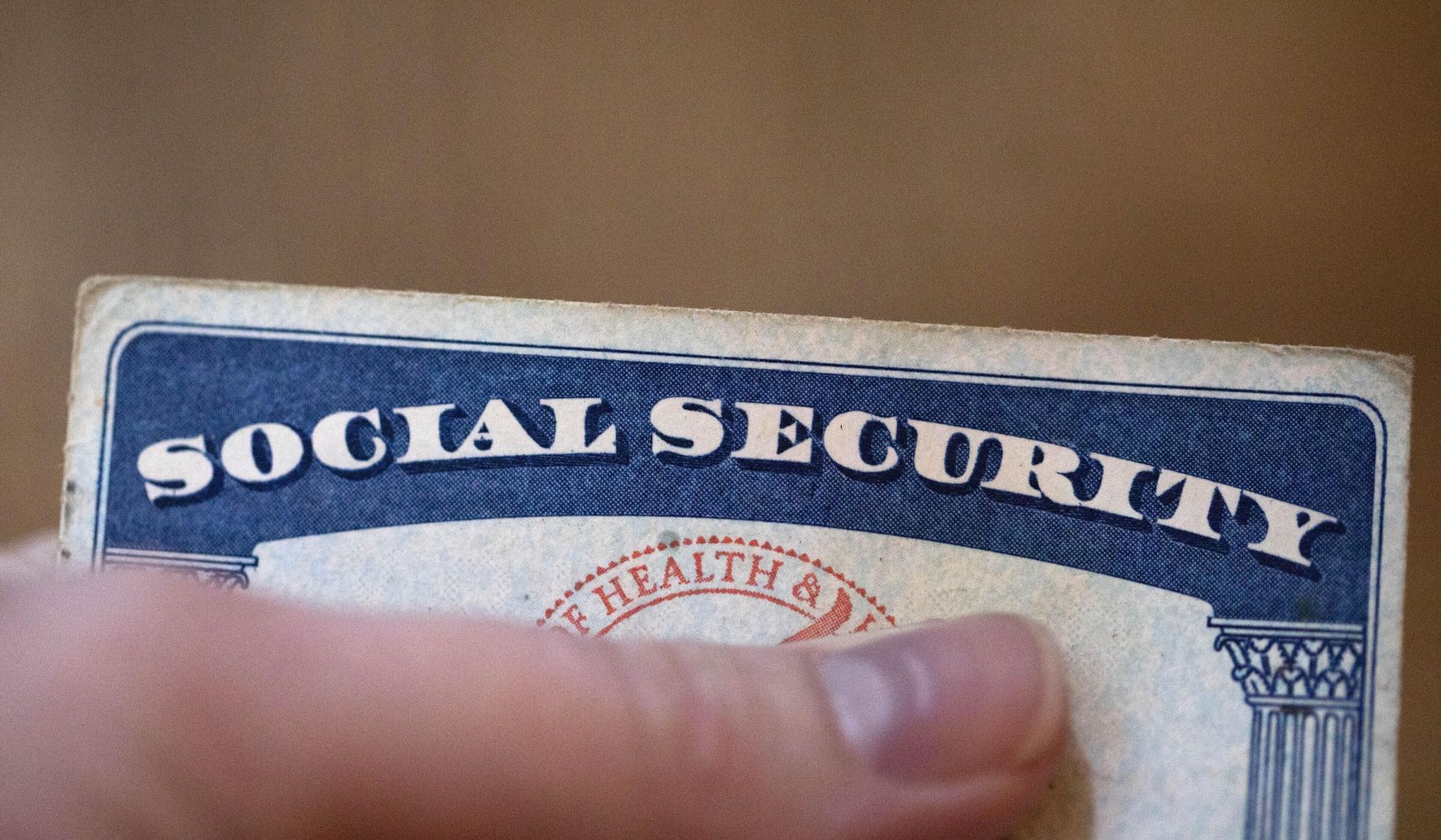
An immigrant from Colombia was convicted Friday for casting an illegal vote in the 2024 presidential election and for stealing roughly $400,000 in government benefits, including Social Security disability, food stamps and housing assistance.
The case closed Friday in a federal courtroom after prosecutors proved the defendant participated in illegal voting while not authorized to do so and collected benefits reserved for eligible recipients. Court records show the total improper payments were about $400,000, a figure that covers Social Security disability, Supplemental Nutrition Assistance Program benefits and housing-related support. Authorities described the scheme as a sustained pattern rather than a one-off mistake.
Officials say the conviction rests on evidence that the defendant submitted false claims and used ineligible status to receive funds meant for Americans in need. Voting in a federal election without citizenship or lawful status is a separate criminal matter with serious penalties, and the court treated both the voting allegation and the benefit fraud as connected violations. Prosecutors presented documents and testimony that, according to them, established fraudulent collection over a period of years.
The prosecution emphasized accountability for misuse of public programs and stressed the integrity of the electoral system. Defense statements were limited in court, and the judge weighed both the voting charge and the financial fraud when determining the verdict. Sentencing will follow statutory guidelines, and the court may consider restitution and other penalties tied to the amount taken from government programs.
This case highlights vulnerabilities in benefit administration and election systems that can be exploited by individuals acting fraudulently. Agencies that manage Social Security disability and food assistance rely on documentation and verification processes that can fail when false information is provided or when data is not cross-checked effectively. Experts say improving data-sharing and verification could reduce similar losses, though agencies also balance privacy and access for legitimate applicants.
While prosecutions of this type are relatively rare compared with the overall volume of benefit claims, they draw intense scrutiny because of the sums involved and the intersection with election law. Lawmakers and watchdog groups often use high-profile cases to argue for tougher oversight, better technology for identity verification and more stringent penalties to deter fraud. Critics caution that stricter rules can also create barriers for people who genuinely need help.
The conviction may prompt administrative reviews within the agencies that provided the funds, and it could inspire new internal controls to prevent repeat incidents. Investigators frequently recommend audits, improved record matching and training for front-line staff to spot red flags. Those internal steps can be implemented without broad policy changes, but they require resources that agencies must budget for.
For the broader public, the case serves as a reminder that both welfare and electoral systems depend on public trust and accurate information. Misuse of benefits undermines programs designed to support vulnerable people, while illegal voting corrodes confidence in elections. Courts approve penalties case by case, and this conviction is the legal system responding to alleged abuses across two separate areas of public policy.

