

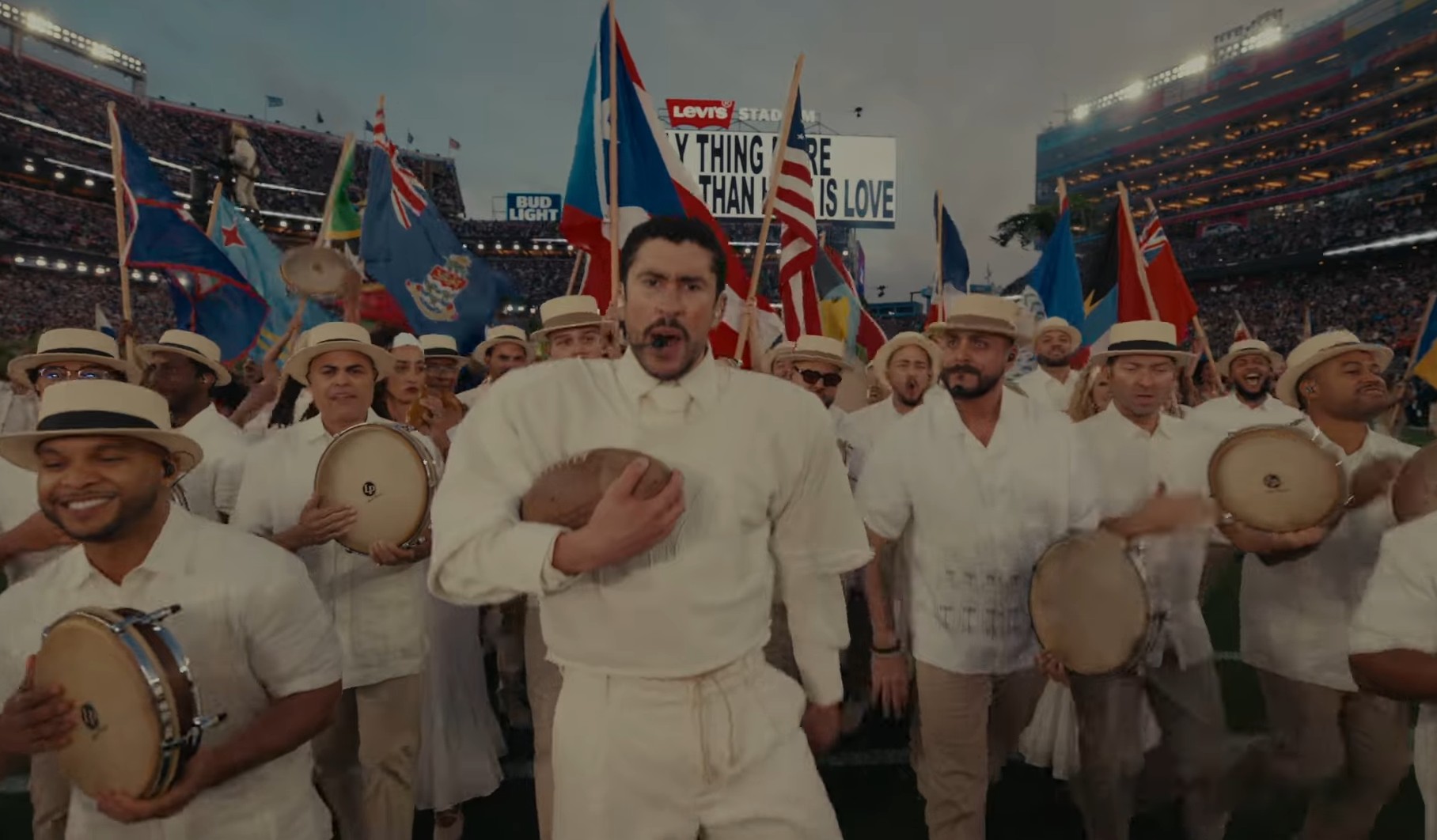
This piece looks at celebrity attitude, Puerto Rico’s economic reality, federal support, and the political contrast between rhetoric and responsibility.
Bad Bunny’s rise from San Juan to global stardom is a story many admire, but fame doesn’t exempt anyone from scrutiny. Plenty of performers speak boldly about politics and identity, and that boldness can rub people the wrong way when it feels out of step with local realities. From a Republican viewpoint, blunt talk is fair game, but it should be matched by practical recognition of consequences.
Puerto Rico’s challenges are complex and long-standing, and they don’t vanish because a superstar criticizes American involvement. Federal programs like Medicaid, disaster relief through FEMA, and other forms of assistance have been vital in keeping basic services functioning after storms and economic shocks. To dismiss those programs as mere patronage ignores the practical role they play in infrastructure, health, and safety.
It’s reasonable to question the tone of celebrity commentary when it appears to overlook the material impact of federal support. Arrogance doesn’t change the ledger: budgets, recovery plans, and healthcare systems still need funding and competent management. Americans who send tax dollars expect that their money supports effective outcomes, not performative gestures.
At the same time, acknowledging federal aid doesn’t mean abandoning calls for reform on the island itself. Puerto Rico needs fiscal discipline, transparent governance, and economic policies that encourage private investment and job growth. Conservatives argue that long-term prosperity follows from unleashing market forces, cutting red tape, and ensuring accountability in how funds are used.
Celebrities can help spotlight issues, but the spotlight shouldn’t be a substitute for policy. When artists speak about statehood, economic reform, or dependency, their words carry weight with audiences who may lack detailed knowledge of budget mechanics or federal rules. Responsible public voices should pair passion with an understanding of how federal programs operate and where local governance must step up.
The debate over statehood and self-governance is part of this mix, and it’s rooted in both identity and practical governance. Republicans often emphasize that responsibilities and benefits must align: representation, fiscal accountability, and legal clarity. Whether Puerto Rico should remain a territory, become a state, or pursue another arrangement deserves honest discussion framed by both values and practical outcomes.
There’s also a cultural dimension to consider: pride in Puerto Rican heritage is real and justified, but pride should not shield leaders or influencers from scrutiny when policy or rhetoric could mislead. Criticism of a celebrity’s attitude is not an attack on a people’s dignity; it’s a call to be realistic about what keeps hospitals open, schools running, and communities resilient. Citizens and leaders should want transparency about where funding goes and how decisions are made.
For many mainland Americans, support for Puerto Rico has been an expression of solidarity and shared responsibility, yet that support comes with expectations. Taxpayer dollars are finite, so accountability and measurable results matter. Conservatives expect efficient use of resources and policies that reduce long-term dependency rather than prolong it.
Ultimately, the conversation around Bad Bunny and Puerto Rico is a stand-in for a broader argument about celebrity influence and civic responsibility. Calling out perceived arrogance is not the same as denying cultural contributions, but it is fair to demand that influential figures acknowledge the realities behind public services and recovery efforts. Honest debate, coupled with concrete policy proposals, beats grandstanding every time.

