

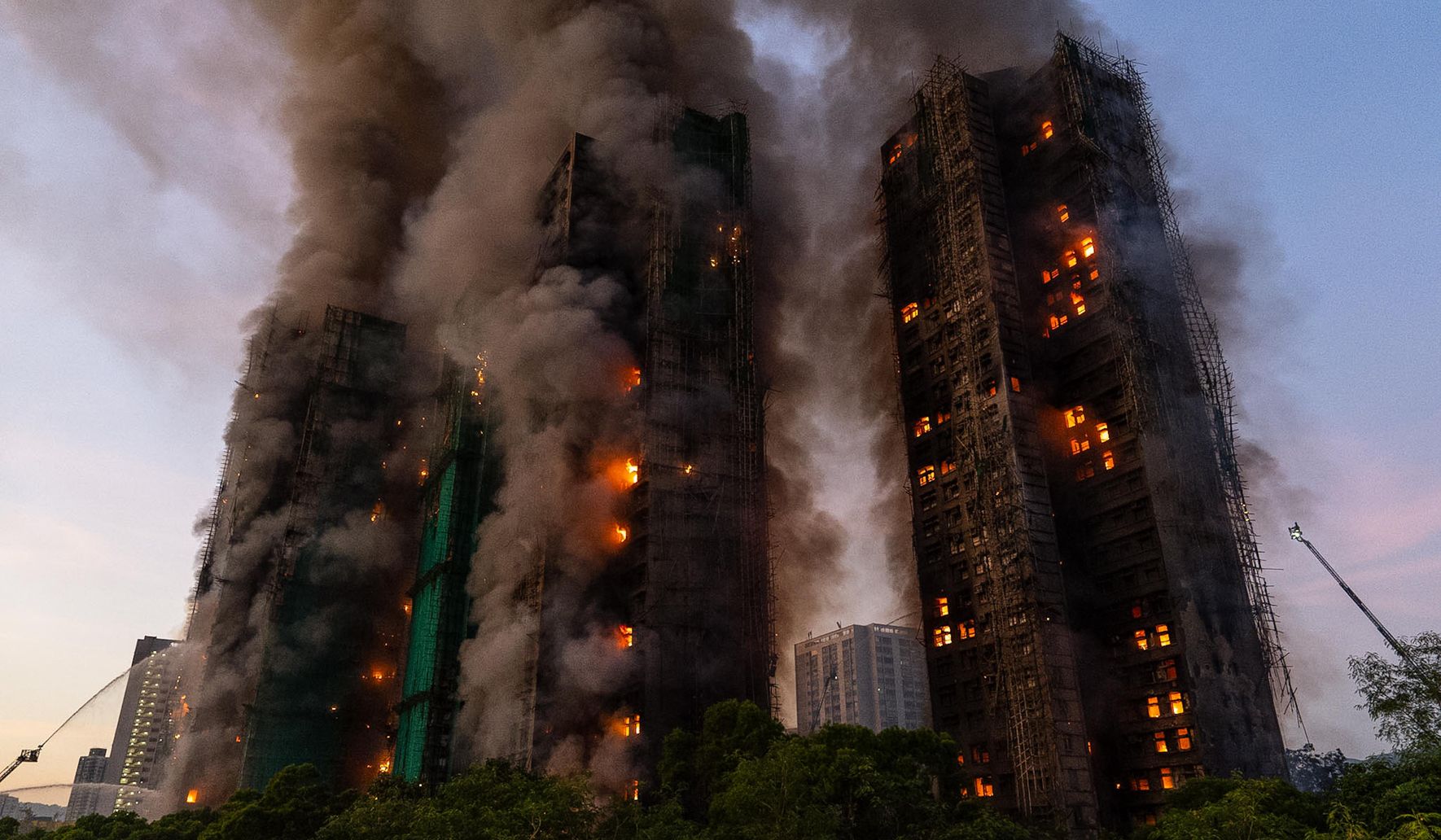
More than two months after Hong Kong’s deadliest fire in decades killed 168 people and destroyed seven apartment buildings at the Wang Fuk Court complex, displaced residents remain in temporary housing while the city grapples with the human and structural fallout.
The blast of attention after the Wang Fuk Court tragedy has faded into the daily slog of recovery, but for families who lost homes and loved ones the aftermath is immediate and raw. Hundreds remain displaced, living in temporary accommodations, community centers, or with relatives while authorities sort out building safety and rehousing plans. The scale of loss—168 lives and seven apartment buildings destroyed—has left a hard imprint on the neighborhood’s fabric.
Residents describe a slow, bureaucratic grind to secure permanent housing and compensation, with many frustrated at the pace of repairs and decisions. Social workers and volunteers have tried to fill gaps, offering counseling and basic supplies, but the transition from emergency shelter to stable housing takes time. For older residents and those with limited savings, uncertainty about when and where they will return is a daily stressor.
Investigations into the fire’s causes continue, focusing on electrical faults, building maintenance, and whether any safety regulations were overlooked or improperly enforced. Experts point to the age and density of many Hong Kong residential blocks as a compounding risk, stressing that prevention requires both stricter inspections and clearer resident responsibilities. Authorities say they are reviewing procedures, but those facing ruined apartments want concrete timelines, not promises.
Local relief groups have set up drop-off points and information booths to coordinate support and connect people with government services. Food, clothing, and temporary financial aid have been distributed, and counseling services are available for those coping with trauma. Still, volunteers warn that episodic charity cannot substitute for systematic rehousing policies and long-term mental health care for survivors.
Community leaders have called for transparent reporting on the investigation and a clearer plan for rehousing, emphasizing that residents need to be part of decisions affecting their futures. Meetings between municipal officials and tenant associations have been held, but trust is fragile after such a devastating event. Many survivors want guaranteed relocation into safe, affordable units within the same neighborhoods to preserve social ties and access to schools and jobs.
On the technical side, engineers and fire-safety specialists have been inspecting nearby buildings for similar vulnerabilities, recommending upgrades to wiring, stairwell access, and fire escapes. Retrofitting older structures in a dense city is costly and complicated, and funding remains a sticking point. Policymakers will have to weigh faster mandatory upgrades against the disruption and expense for residents and landlords.
Memorials and community vigils have appeared at the site and in nearby parks, providing spaces for mourning and remembrance that many families say they need. Public grief has been matched by debates over accountability and the adequacy of safety oversight, with calls for clearer enforcement of maintenance rules. As the weeks turn into months, the human stories of loss, resilience, and bureaucratic friction will shape how Hong Kong remembers and learns from this disaster.
Rebuilding will require coordinated action across agencies, clear timelines for rehousing, and sustained support for survivors dealing with grief and financial strain. For now, displaced residents face the limbo of temporary housing while official reviews continue and community networks try to hold things together. The incident has exposed vulnerabilities that demand both immediate relief and long-term policy changes to reduce the risk of future tragedies.

