

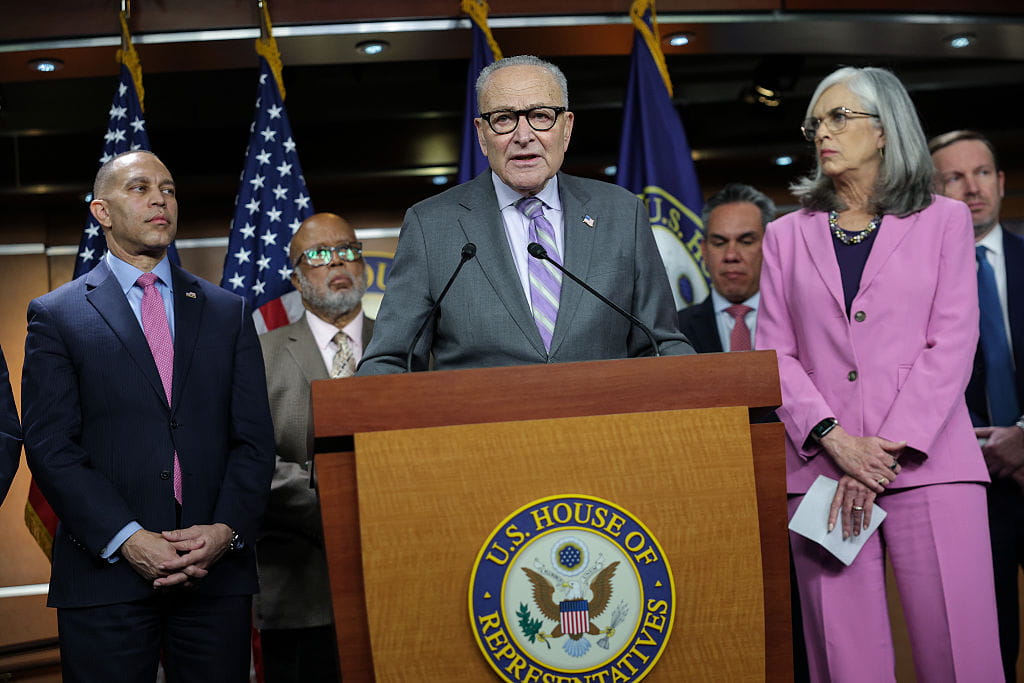
The calendar hit its last square and Congress still had no deal to fund the Department of Homeland Security, a Senate effort failed on February 12 along mostly party lines, and lawmakers left for recess with a partial shutdown looming and sharp partisan blame filling the air.
It’s the deadline day for DHS funding and Americans are watching Capitol Hill punt once again. The Senate voted on a proposal on Thursday, February 12, and it failed almost perfectly along party lines. With leaders packing up for recess, a partial shutdown now looks likely and the political theater is in full swing.
Republicans argued all week that funding for core security missions should be nonnegotiable and continuous, pointing out the risks of letting parts of DHS go dark. They said border security, immigration enforcement, and disaster response can’t be treated like bargaining chips. Opponents countered with objections to policy riders and funding levels, and neither side moved far enough to close the gap.
The failed Senate attempt underscores how fragile the process has become. Short-term rolls and stopgap measures used to be a last resort but now they’re routine, which breeds uncertainty across agencies. DHS components on the front lines worry about morale and mission readiness when funding is unresolved.
A partial shutdown has real consequences, not just headlines. Essential workers may continue on the job without pay, contractors could see projects delayed, and crucial operations at ports of entry and emergency management could experience hiccups. That reality frames the debate: some lawmakers insist on insisting, even as operational risks rise.
Republican voices highlighted the irony of demanding continued funding for pet programs while blocking a clean bill to keep homeland operations running. They said voters expect Congress to protect borders and national safety first, and to work out policy fights separately. That stance drove much of the messaging in the lead-up to the vote and explains the partisan split visible in the tally.
Democrats defended their approach by pointing to broader priorities and long-term funding philosophies, arguing that piecemeal fixes leave pressing issues unaddressed. They want safeguards and conditions attached to appropriations, and view a fight over riders as an opportunity to press for those changes. The standoff shows that neither side is willing to cede leverage when high-stakes funding is on the line.
Practical impacts will quickly become clear if a partial shutdown starts. Border processing could slow at a time when both ports and personnel are already strained, and cooperative programs with local agencies may find themselves operating on uncertain footing. The result will be political pressure from constituents and from officials on the ground who must keep services running during the budget turmoil.
Meanwhile, recess schedules mean lawmakers will face reactions from voters back home before returning to the negotiating table. That break can harden positions as members respond to interest groups and local officials, or it can create space for compromise if the political cost rises. For now, strategy and public messaging are keeping the stalemate alive.
The larger picture is a broken budgeting rhythm that makes crisis management the new normal. Both parties have leverage in a shutdown standoff, but the public cares less about tactics and more about outcomes: whether agencies that protect lives and livelihoods have the resources they need. Until leaders change how they prioritize funding, these last-day scrambles will keep repeating.

