

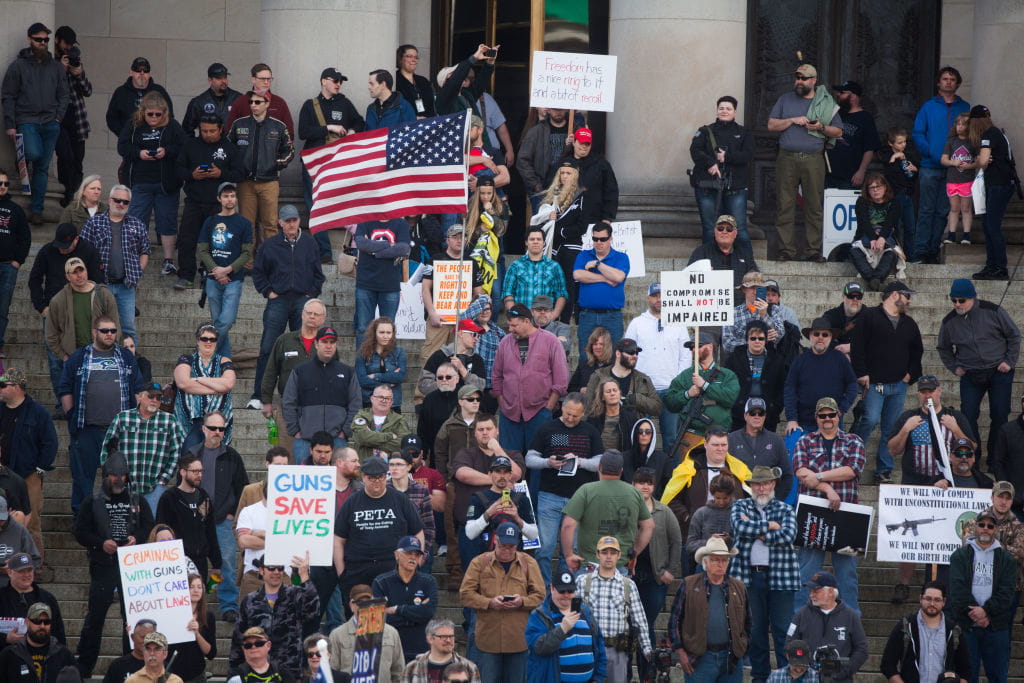
Progressives who long pushed gun controls now praise aspects of the Second Amendment, but their policy instincts still clash with the amendment’s original purpose and practical realities.
For years many on the left treated American gun owners as a political problem to be managed, and lately a surprising shift has emerged where some of those critics are suddenly pointing to the Constitution when it suits them. That turn is striking because it highlights the very reasons the founders protected the right to keep and bear arms, even if modern proposals from those same critics would hollow that protection out.
The original text and intent of the Second Amendment tied the right to bear arms to a balance of power between citizens and government, with militias and armed citizens serving as a safeguard. Politically speaking, this is about more than hunting or sport; it’s about preventing concentration of force and ensuring ordinary Americans aren’t left helpless against abuses of power.
Yet the new left-leaning embrace of firearms is selective and often tactical, not principled. When public figures argue they need guns for personal safety, they cite the same logic the founders used, but elsewhere they still back registries, broad bans, and expanded seizure powers that would leave millions of law-abiding citizens exposed.
That contradiction matters. Claiming fidelity to the founders while pushing measures that centralize control over weapons is an odd fidelity indeed, because those measures shift force from the population to the state. From a conservative perspective, protecting rights means resisting policies that make the right meaningless in practice.
There’s also an element of hypocrisy worth noting. When gun ownership becomes fashionable among elites, the rhetoric suddenly emphasizes individual choice and protection. When ownership is widespread among ordinary Americans, the tone shifts toward restriction and regulation. Political consistency is rare, but constitutional consistency should not be.
The practical consequences of disarming responsible citizens are predictable. Removing lawful means of protection does not erase criminal intent; it concentrates defensive capacity in the hands of government and those who flout the law. That is a poor trade-off for the promise of greater safety when enforcement looks uneven and political winds change.
Defenders of the Second Amendment argue it’s a backstop against tyranny as much as a personal right, and recent debates only reinforce why that argument has staying power. The amendment was designed to keep the balance of power diffused, and any policy that centralizes the ability to use force undermines that structural safeguard, however well-meaning those policies might be.
There’s a longer cultural story too: as attitudes shift and certain classes embrace firearms, the debates expose deeper disagreements about trust, governance, and who gets to make decisions about safety. Those disagreements are political and moral, and they show why the contours of any policy matter more than trendy endorsements of constitutional principle.
At the heart of this dispute is a simple tension between principle and expediency. When constitutional rights are argued about selectively, the result is not clarity but instability, and that instability often cuts hardest against ordinary citizens who expect the law to protect them equally.


1 Comment
The only way to handle a bad man with a gun is a good man with a gun!