

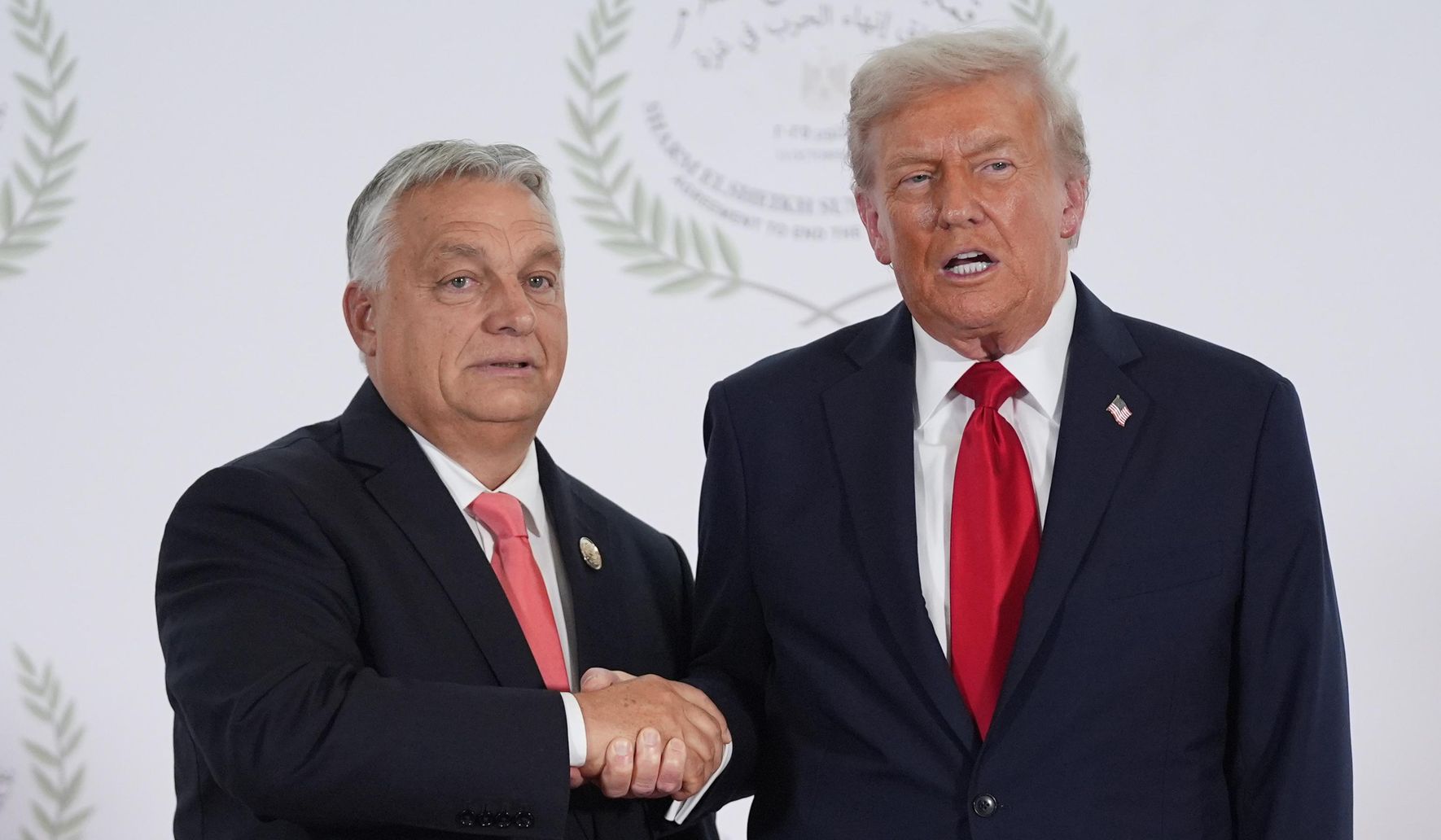
President Trump publicly threw his support behind Hungarian Prime Minister Viktor Orban, endorsing him for reelection while noting Orban is a personal friend and a close ally of Russian President Vladimir Putin. The endorsement has stirred debate across Europe and the United States, touching on ideology, geopolitics, and pragmatic alliance-building. It puts a spotlight on how conservative leaders align on sovereignty and security even when those ties complicate relations with NATO partners.
Viktor Orban has become a defining figure of modern European conservatism, known for pushing strict immigration controls, defending national sovereignty, and challenging Brussels on cultural and economic issues. His style is unapologetically nationalist, and he has built a tight base in Hungary by framing politics as a defense of traditional values. Those stances make him an obvious figure for conservative leaders who prioritize border security and cultural conservatism.
President Trump’s endorsement reflects a personal and political alignment that goes beyond standard diplomacy. The two men share a worldview that prizes strong borders, skeptical trade instincts, and a preference for direct, transactional relationships between leaders. That personal rapport is part of what makes the endorsement resonate with many voters who see clear, decisive leadership as the priority.
At the same time, Orban’s close relationship with Vladimir Putin raises real concerns. Prague and Brussels worry about Hungary’s energy ties to Russia and the political influence that can follow from them. For Republicans who favor toughness toward Moscow, endorsing a leader with those connections requires careful framing to avoid undercutting broader security commitments.
Within the U.S. political landscape, reactions split predictably along partisan lines. Many Republicans welcomed the endorsement as a validation of a foreign partner who mirrors American conservative priorities on migration and cultural issues. Democrats and some international observers criticized it as trading short-term political advantage for long-term strategic headaches, particularly given Russia’s role in Europe’s security environment.
The endorsement also forces a conversation about NATO and European unity. Orban’s approach to Brussels has often been combative, and his policies sometimes run counter to collective EU decisions. That tension complicates alliance cohesion at a time when unity matters for deterrence and regional stability, and it forces conservative allies to explain how they balance national sovereignty with shared defense obligations.
Strategically, the endorsement can be read as a message to voters who favor strong, independent national leadership. It signals that alliances are earned by shared goals rather than automatic deference to institutions. For Trump’s base, that clarity—prioritizing borders, industry, and cultural identity—often outweighs the optics of an association with leaders who maintain ties to Moscow.
Still, there are political risks. Opponents will frame the connection as cozying up to autocrats and suggest it undermines efforts to stand firm against Russian aggression. Republicans navigating this critique tend to emphasize policy alignment on defense spending, counterterrorism, and sanctions when needed, arguing that cooperation on mutual priorities does not equal unconditional support for every diplomatic choice the partner makes.
Looking forward, the endorsement will likely influence conversations about how Western conservatives coordinate across borders. Expect sharper debates over energy independence, defense commitments, and the limits of personal diplomacy. What plays out next will depend on whether policy moves follow that reinforce shared security or whether the partnership becomes a political liability in broader contests over America’s international leadership.

