

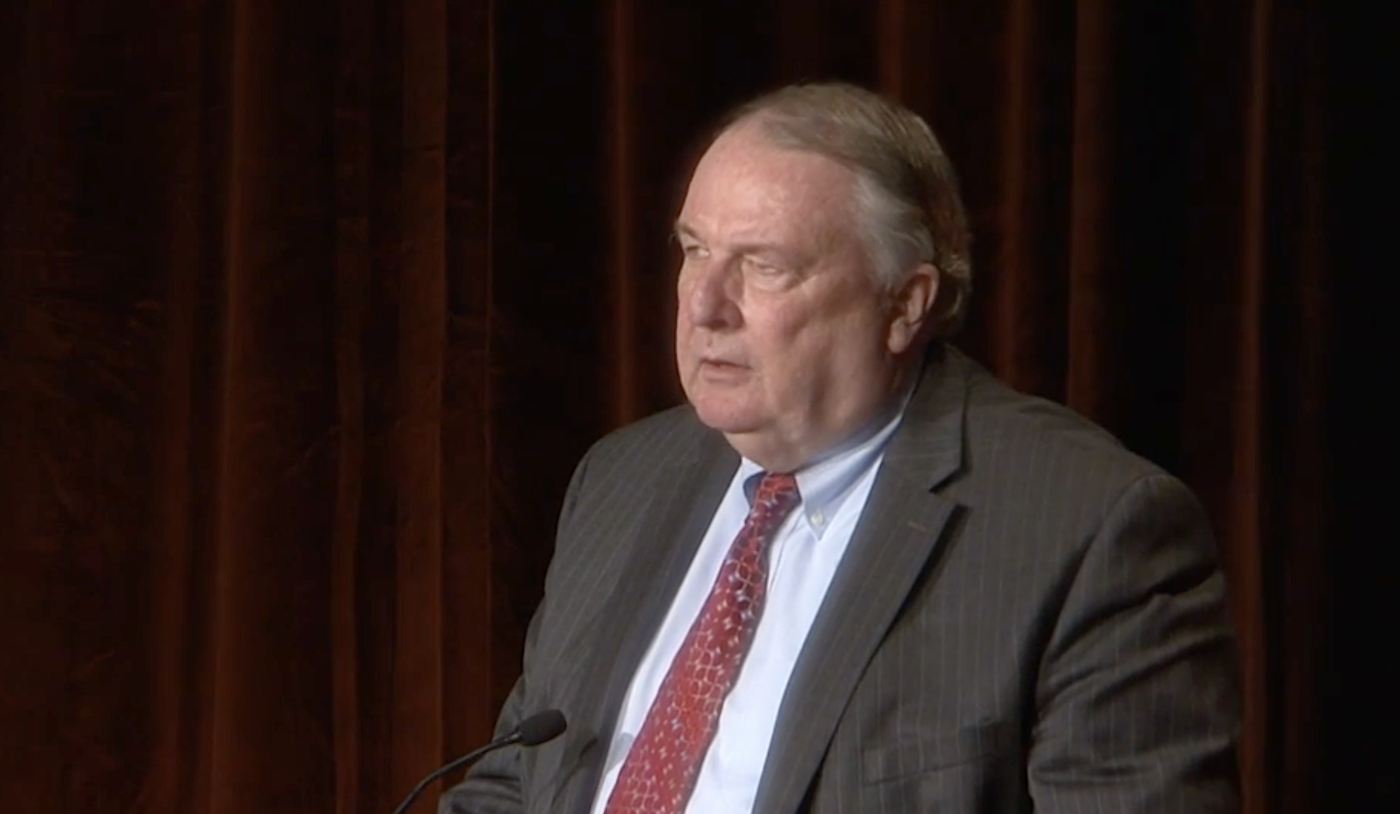
Ed Crane’s career shows how steady conviction and a clear defense of individual liberty can shape policy debates and institutions for decades to come.
Ed Crane had a gift for identifying moments when liberty required an unpopular defense — and history has a way of catching up to him. He built institutions and arguments that refused fashionable compromises, and those efforts altered how policymakers and voters think about limits on government. His approach was pragmatic but principled, favoring free markets, personal freedom, and restrained government action.
Crane was never content with partisan posturing; he pursued arguments that would survive scrutiny over time. That meant taking positions that annoyed friends and critics alike when he believed principles mattered more than immediate popularity. The result was a durable voice in policy circles that kept libertarian ideas in the mainstream conversation.
He focused on concrete policy fights rather than vague slogans, making liberty practical and accessible. That meant pushing for deregulation where it helped consumers, for civil liberties where government overreach threatened privacy and speech, and for fiscal restraint to preserve economic opportunity. Those positions often put him at odds with both the left and elements on the right, but they also built credibility across a broad audience.
Crane understood how ideas translate into institutions, and he invested in the long game of scholarship, public education, and legal work. Supporting scholars, publishing research, and participating in public debates were all part of a strategy to change minds over time. That steady institutional work is what turns a theory into a tool for lawmakers and citizens.
His style mattered as much as his substance: he kept debates focused on evidence and principle, not on caricature. That approach attracted talented people who wanted rigorous argumentation instead of tribal applause. Over the years, that talent pipeline amplified his impact, as former staff and allies carried those commitments into government, media, and academia.
Critics accused him of being aloof or uncompromising, but his critics underestimated how resilience shapes outcomes. When the political winds shift, positions that were once dismissed as fringe can become accepted policy, especially when they rest on consistent logic and careful analysis. That pattern shows why standing for principle can be politically effective, not just morally satisfying.
The practical lesson from Crane’s work is straightforward: winning policy debates requires patience and clarity. Move beyond slogans, fund good research, and argue with evidence; those elements change how people think. Institutions anchored to coherent ideas perform better in the long run than those built on short-term popularity.
Ed Crane’s influence is a reminder that defending liberty means doing the messy work of persuasion and institution-building. It is less about theatrical moments and more about steady, disciplined effort that respects facts and individual rights. That kind of leadership reshapes conversations and leaves a durable imprint on public life.

