

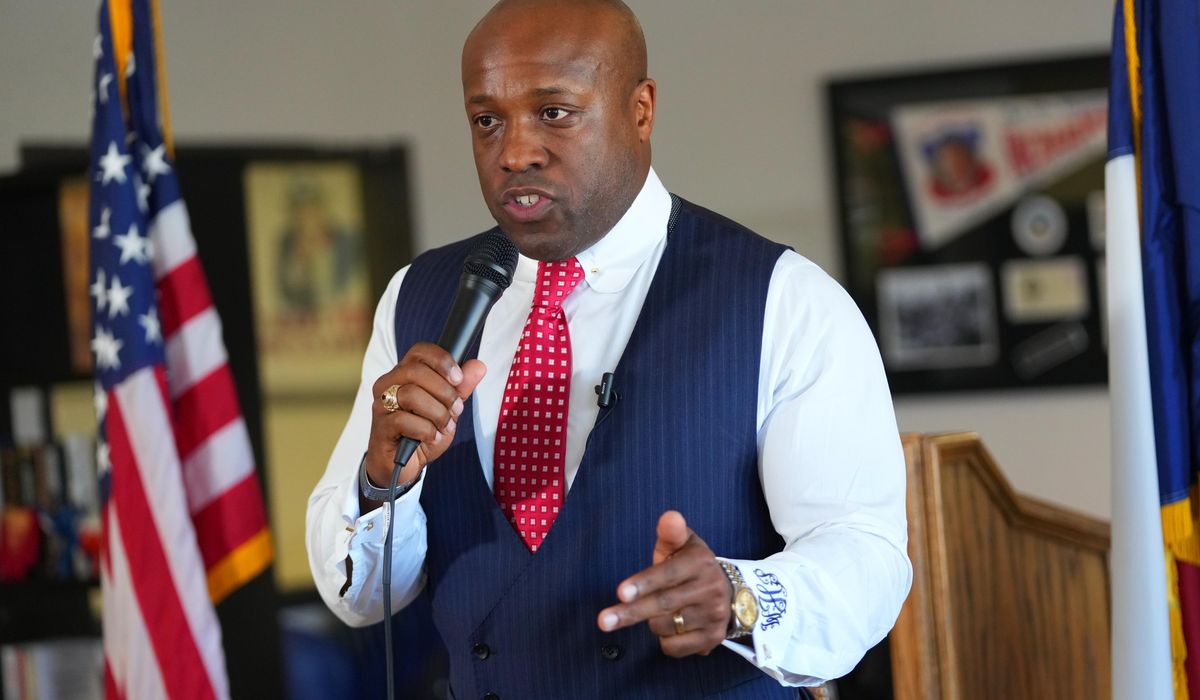
If you’re looking for a Cinderella story in the Texas GOP Senate race, retired Lt. Col. Allen West thinks former Apache helicopter pilot Wesley Hunt might just be it.
Allen West has put his weight behind Wesley Hunt in a race that’s drawing national attention, and his endorsement carries clear political signals. West’s support frames Hunt as a candidate who blends military service and conservative principles, which resonates with base voters. That combination is the Republican playbook in Texas politics: strong national defense, fiscal restraint, and a clear cultural message.
Wesley Hunt’s military background is central to how supporters describe him, and that image appeals to voters who prioritize service and leadership. Veterans and active-duty families often respond to candidates who have worn the uniform, and Republicans want those taxpayers and defenders energized. In a primary fight, showcasing disciplined service can tilt undecided conservatives toward a candidate seen as tough and patriotic.
The Texas Senate slate is shaping up to be competitive, and endorsements like West’s can change perceptions and fundraising momentum. Republican voters tend to consolidate around names that carry credibility on security and conservative issues, and West’s voice still matters among those circles. For grassroots organizers, a high-profile endorsement gives a soundbite that drives door-knocking and small-dollar donations.
Campaign messaging now leans into the narrative that Hunt represents a fresh but tested conservative option for statewide office. That narrative is useful because it blends outsider energy with the gravitas of military command experience. Republican strategists often prefer candidates who can claim both a forward-looking agenda and proven leadership under pressure.
Expect the Hunt campaign to amplify the endorsement immediately, using it to secure invitations to key donor events and to headline conservative forums. Political endorsements are currency; they buy attention from activists, commentators, and local elected officials. In tight contests, that attention turns into volunteers and turnout on election day, which is what really decides nominations.
Observers on the right will watch how rival campaigns respond, especially if Hunt begins to pull ahead in early polling or fundraising. Competitors may attempt to sharpen contrasts on policy or highlight differences in legislative records, which is standard in primary seasons. Still, a strong endorsement from a respected conservative like West can blunt attacks and reframe the debate around leadership credentials.
Texas Republicans care about electability as much as purity, and endorsements are judged through that lens. If the pushback is that a candidate is too niche or inexperienced, a high-profile backer can argue the opposite: that the nominee is battle-tested and ready for a statewide fight. That framing matters in general election messaging when Republicans want to show a united front to defeat Democrats in statewide contests.
Grassroots activists will be key to translating endorsements into votes, and the Hunt team will need to turn enthusiasm into organization. Volunteer networks, early voting plans, and targeted outreach in suburban exurbs will be priorities if the campaign wants to capitalize on momentum. For Republicans in Texas, contests are won by ground games that match big-name endorsements with local discipline.
The ripple effects of West’s statement will be felt in primary debates, donor calendars, and media coverage as the race tightens. Conservatives will be asking whether Hunt can expand beyond traditional bases while keeping core Republican voters engaged. Those dynamics will determine whether this endorsement is remembered as a pivotal moment or just another headline in a crowded primary season.

