

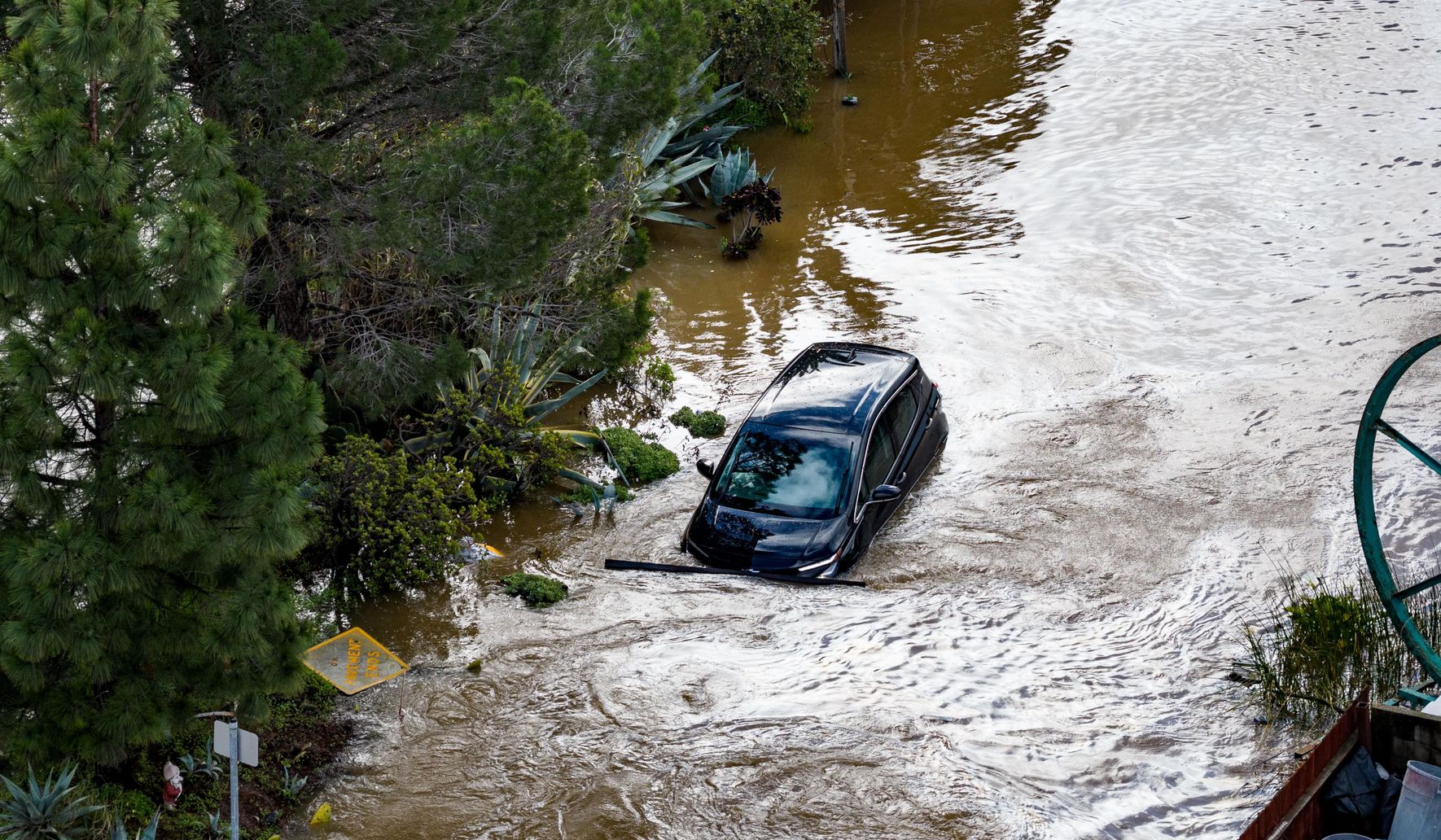
Sheriff’s deputies in California arrested a man on a vehicular manslaughter charge after he drove through flooded waters with a passenger who later died, and authorities are investigating the driving decisions and circumstances that led to the fatal outcome.
Local law enforcement says deputies took the driver into custody after emergency responders linked the vehicle’s route through rising water to the passenger’s death. The arrest narrows the immediate focus to whether the driver’s choices met the legal threshold for vehicular manslaughter. Officials are collecting facts while the case moves through the criminal justice system.
Flooded roadways create sudden hazards that can trap vehicles and overwhelm even experienced drivers, and deputies responding to such calls often face dangerous conditions themselves. First responders prioritize life saving, but evidence preservation and witness interviews begin right away once victims are stabilized or pronounced. In this case, emergency crews found the vehicle in flood water and the passenger later died.
Vehicular manslaughter typically alleges that a driver’s negligent or reckless actions directly caused a death, and prosecutors look for proof of that link. Investigators will gather traffic reports, weather data, testimony from witnesses, and any video from traffic cameras or bystanders. Those pieces help determine whether the incident meets the legal elements prosecutors must prove beyond a reasonable doubt.
Charging decisions balance fault, intent, and the foreseeable risks a driver created by choosing to enter hazardous conditions. Driving into known flood water can be seen as a disregard for safety, especially when warnings or barriers are present. Still, each case turns on specifics like visibility, depth of water, current speed, and whether the driver had reason to believe the passenger’s life would be endangered.
Evidence collection in flood-related crashes often includes vehicle inspections to document water damage, mechanical failures, and position of the vehicle relative to the roadway. Forensic teams may test brakes, engine components, and electrical systems to rule out mechanical causes that could have contributed. Combined with scene photos and notes from officers, that material forms the basis for charging documents and later courtroom presentations.
Public safety messaging around flood zones stresses simple rules because conditions change fast and water depth is easy to misjudge. Campaigns often use slogans like Turn Around, Don’t Drown to remind drivers that just a few inches of moving water can sweep a car off the road. Those programs exist because tragedies like this one highlight how quickly a routine drive can turn deadly when weather and water intervene.
Beyond criminal liability, fatal flood incidents prompt questions about road design, signage, and whether authorities issued timely alerts during the weather event. Municipal and state agencies sometimes review whether barriers were deployed or if additional warnings could have reduced risk. Communities expect a clear accounting when lives are lost on public roads during extreme conditions.
Family members and friends of victims typically seek answers, and officials must balance transparency with the integrity of an ongoing investigation. Prosecutors decide whether to file formal charges after reviewing the compiled evidence and a prosecutor’s assessment of probable cause. If charged, the accused will have an opportunity to present a defense in court where the full set of facts will be examined.
Fatalities tied to flooded roads serve as a stark reminder that avoiding water on roadways is often the safest choice, and that legal consequences can follow decisions made behind the wheel. Authorities will continue interviewing witnesses and analyzing scene evidence as the case proceeds, and the criminal process will determine whether the arrest leads to a conviction or another outcome under the law.

