

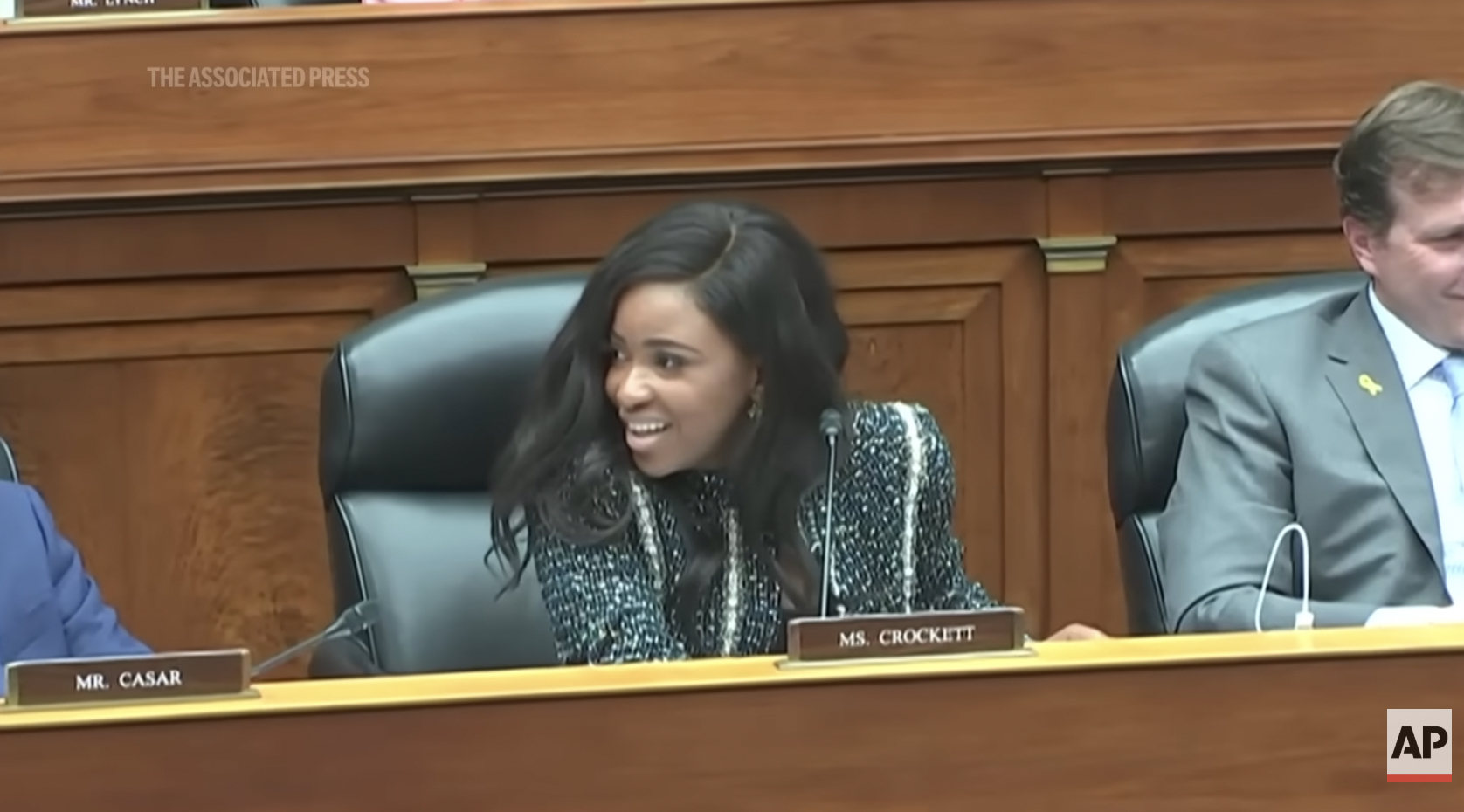
Congress has been asleep at the switch while the conversation stays fixed on one figure. This piece argues that the real failure is institutional, not personal, and looks at how a weak Article I has made everything else worse.
“Our discussion, in media and in law, has been about Trump’s excesses and boundary-crossing. A better starting place would be the laziness and uselessness of the Article I branch.” That sentence cuts to the chase: the spectacle around a single politician distracts from a broader, systemic problem. When the legislature fails to act, power drifts to whoever is loudest or most aggressive, and that is dangerous for a republic.
Congress was designed to check the other branches, write clear laws, and control the purse, but too often it shrinks from those duties. Committees hold hearings that create headlines but rarely produce meaningful statutes or enforceable oversight. The result is a theater of accountability instead of steady, effective governance.
Partisan spin and media cycles let the House and Senate outsource responsibility to prosecutors and judges, which perverts the separation of powers. Instead of setting policy and clarifying rules, many lawmakers treat investigations as political theater or as ways to score short term points. That behavior weakens the institution and leaves voters with fewer real remedies.
Practically speaking, a functional Article I would pass clearer laws, fund agencies with specific guardrails, and insist on timely confirmations of qualified nominees. It would use impeachment sparingly and with clear standards so that it cannot be reduced to a perpetual campaign tool. It would also exercise the power of the purse to demand accountability rather than surrender it in endless continuing resolutions.
The lazy Congress hurts conservatives and the rule of law alike because it cedes authority to unelected officials and activist judges. When statutes are vague or enforcement is selective, outcomes depend on who controls the machinery of government at a given moment. That churn fuels resentment and encourages leaders to push boundaries, because weak institutions cannot channel conflicts into lawful, predictable paths.
Fixing the problem starts with lawmakers who act like legislators instead of commentators. They must pass targeted, durable laws that resolve disputes rather than leaving them for courts to decide case by case. They must also restore regular order in appropriations and confirmations so the executive branch cannot skirt responsibility by blaming budgetary uncertainty.
Oversight without reform is noise, and reform without oversight is empty promise, so both belong at the center of a revived Article I. Committees should tie hearings directly to legislative text and deadlines, and budget riders should be used to enforce compliance where necessary. That combination forces agencies to follow the law and gives voters a clear record to judge.
If conservatives want limited government and strong institutions, they should demand a Congress that does its work instead of indulging in performative investigations. A robust legislature protects liberty by making rules explicit and predictable, not by creating a landscape where presidential action fills a void. The choice is simple: strengthen the Article I branch or accept a permanent transfer of power away from the people.

