

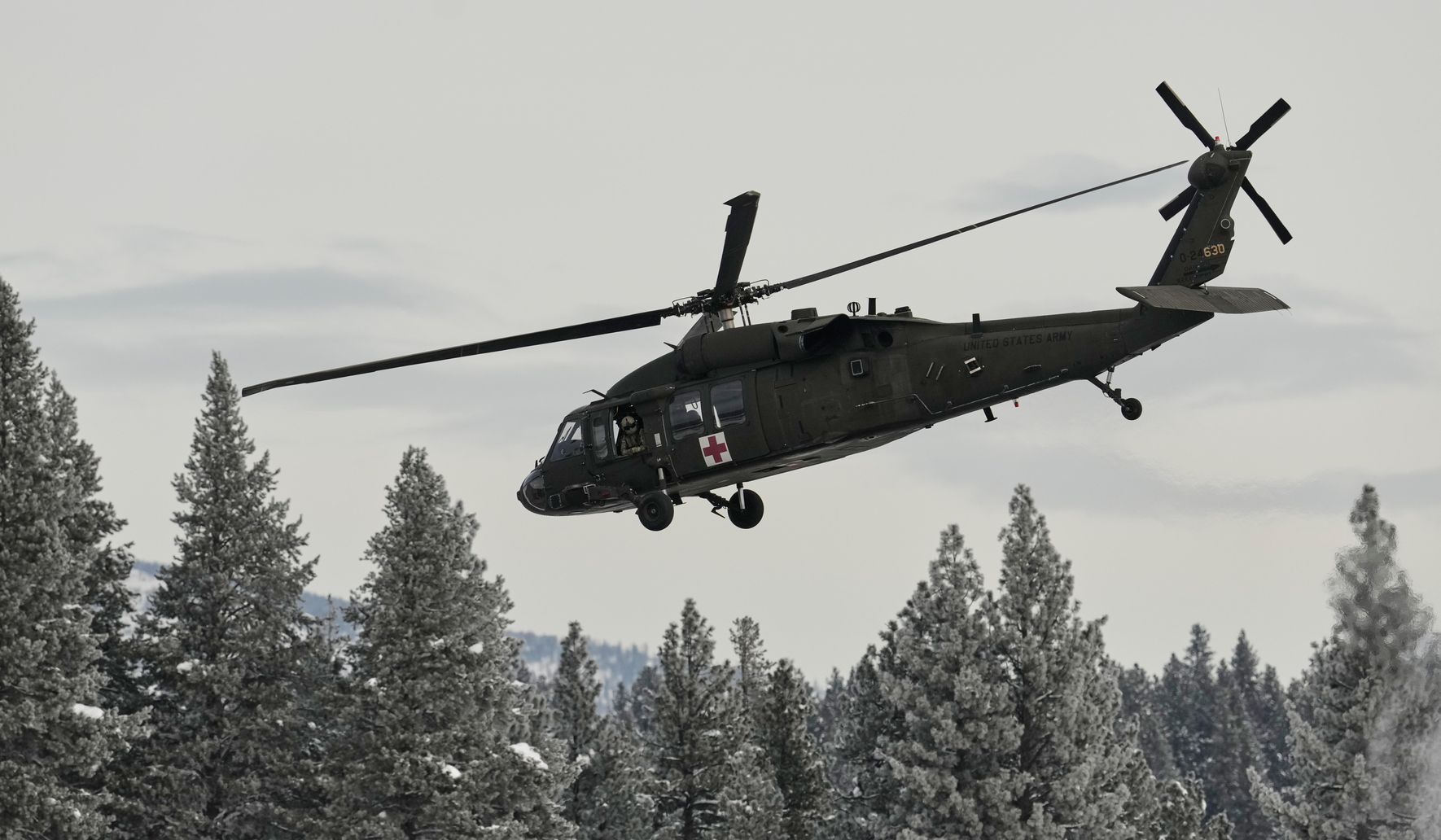
Crews recovered the bodies of nine backcountry skiers who were killed in a California avalanche four days ago, authorities said Saturday, ending a difficult recovery operation hampered by intense snowfall.
The recovery wrapped up after days of relentless weather that kept teams from moving more quickly through steep, snow-choked terrain. Crews faced heavy snowfall that made travel slow and raised the risk of further slides, forcing careful, deliberate work on each approach. Authorities confirmed the identities have yet to be released as next-of-kin notifications and examinations proceed.
The incident happened in remote backcountry where avalanche conditions can change in hours, and the area’s isolation added another layer of difficulty for responders. Search and rescue units had to balance speed with safety, since moving too fast in those conditions can trigger more instability. Helicopter flights and ground movements were repeatedly limited by visibility and snowfall intensity.
Teams on the ground used a mix of careful probing, route clearing and layered safety checks before recovering the victims, and those measures slowed but protected responders. The deep snow meant moving equipment and people was physically intense, and crews rotated frequently to manage fatigue and maintain alertness. Officials emphasized that every step had to be measured because the terrain was still active with recent avalanche activity.
The human toll is immediate and raw for families and the local community, who are now dealing with loss and shock after what began as a recreational outing. Friends and relatives have described the group as experienced backcountry skiers, which underscores how unpredictable and dangerous these environments can be even for skilled people. Local leaders have offered support and counseling to those affected while emergency services coordinate next steps.
Accidents like this highlight the persistent danger avalanches pose to people who venture beyond marked ski areas, and they remind outdoors enthusiasts to prepare and respect changing mountain conditions. Proper equipment, current avalanche forecasts, training in rescue techniques and a conservative approach to route choice all matter when snowpack is unstable. Even so, mountain weather and snow behavior can turn quickly, so risk can never be eliminated entirely.
Investigators and rescue coordinators are reviewing weather data and trail conditions to better understand what happened and whether there were signs that could have warned of imminent danger. That review will feed into public safety messaging and local guidance aimed at preventing future tragedies without deterring responsible recreation. Meanwhile, recovery teams and authorities continue to work with families and community groups to handle the aftermath with care and respect.

