

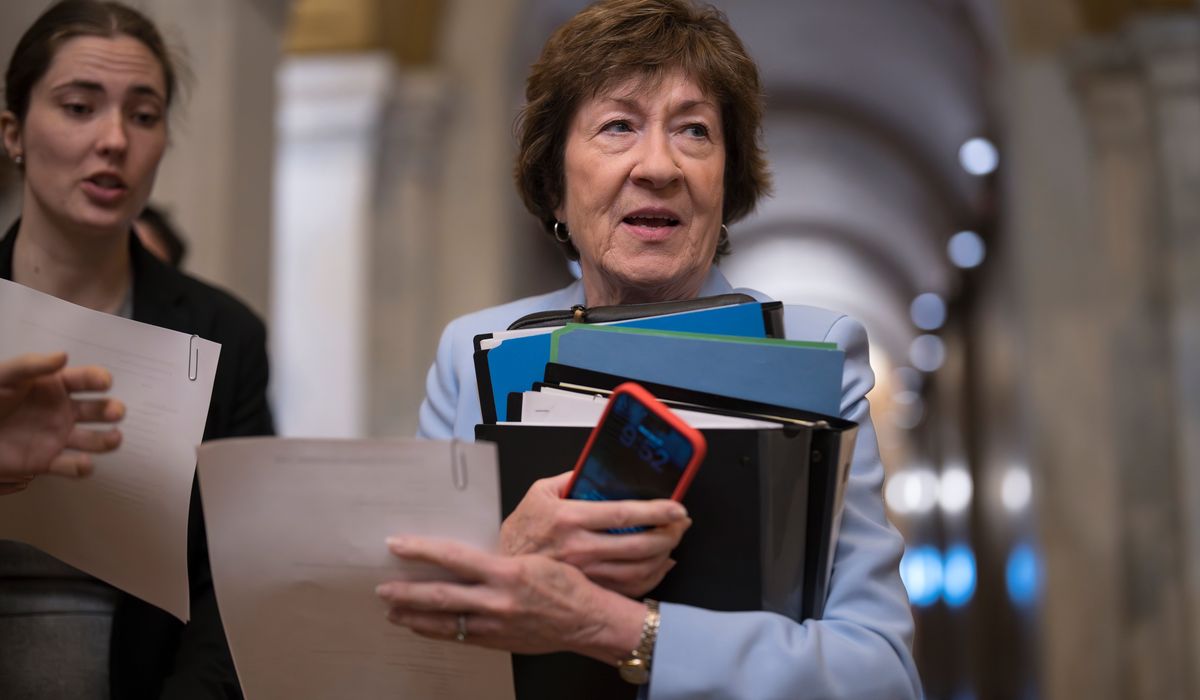
Republicans are finding a silver lining as Democrats scramble in Maine while the GOP fights to preserve its U.S. Senate majority.
As Democrats scramble to contain a political disaster in Maine, the Republicans on the front lines of the GOP’s fight to hold the U.S. Senate majority are breathing a sigh of relief. That dynamic has shifted attention and resources, and it has given Republican strategists room to tighten messaging and focus on vulnerable seats. The mood among GOP operatives is cautious optimism rather than celebration.
The scene in Maine has pulled national eyes and party staff away from other battlegrounds, forcing Democrats into damage control. For Republicans, that distraction can be turned to advantage by pressing local advantages and reminding voters of the stakes in Washington. The Senate majority hangs on a handful of contests, so any disruption to the Democratic plan matters.
Republican operatives see an opportunity to emphasize their core themes: limited government, secure borders, and economic growth. Those messages are tailored to swing voters who are paying attention to pocketbook issues and public safety. Keeping that narrative tight helps protect marginal seats and steadies candidate recruitment and fundraising efforts.
On the ground, the GOP has been sharpening turnout operations and local outreach in states where the margins are thin. Volunteers, ad buys, and targeted mail can make a difference when races are competitive. Republicans understand that disciplined, localized campaigning often outperforms headline-driven national spending.
National implications are clear: holding the Senate affects judicial confirmations, budget priorities, and oversight of the executive branch. Republicans argue that a Senate majority is the most effective check on unchecked spending and activist policy. That framing plays well with voters who worry about long-term fiscal health and government overreach.
Meanwhile, Democrats are being forced to triage resources, moving staff and ad dollars to plug leaks instead of running proactive campaigns elsewhere. That reactive posture can create openings for Republicans to set the agenda in other contests. GOP strategists intend to capitalize on any momentum where they can create it.
Media narratives matter, and Republicans believe the coverage of turmoil in Maine underscores a broader theme of Democratic disarray. That narrative is useful when paired with clear alternatives: Republican candidates offering pragmatic solutions and accountability. Messaging that contrasts stability with chaos is central to the GOP playbook this cycle.
Independent and swing voters are the prize in these close contests, and Republicans are pushing practical appeals aimed at those voters. Focused arguments about taxes, inflation, and public safety are designed to cut through noise and win over undecideds. The party’s hope is that steady, issue-based persuasion will translate into turnout on Election Day.
Fundraising patterns shift quickly when a state becomes a crisis zone, and Republicans track those flows to spot weaknesses in the Democratic firewall. When money and manpower get siphoned off to contain a single race, it leaves thin spots elsewhere. GOP campaign teams are watching for those vulnerabilities and adjusting ad schedules and field operations accordingly.
Candidate quality and messaging discipline remain central to the GOP strategy for protecting the Senate majority. Promoting strong local ties and clear priorities helps candidates survive negative cycles elsewhere. Republican leaders are pushing their teams to avoid distractions and keep voter outreach consistent and relentless.
What happens next will depend on how effectively Republicans can turn a temporary advantage into sustained momentum without underestimating their opponents. The party intends to keep pressure on contested districts while defending incumbents where the balance is narrow. For now, relief among Republicans is tactical and focused on the work ahead rather than on any premature victory lap.

