

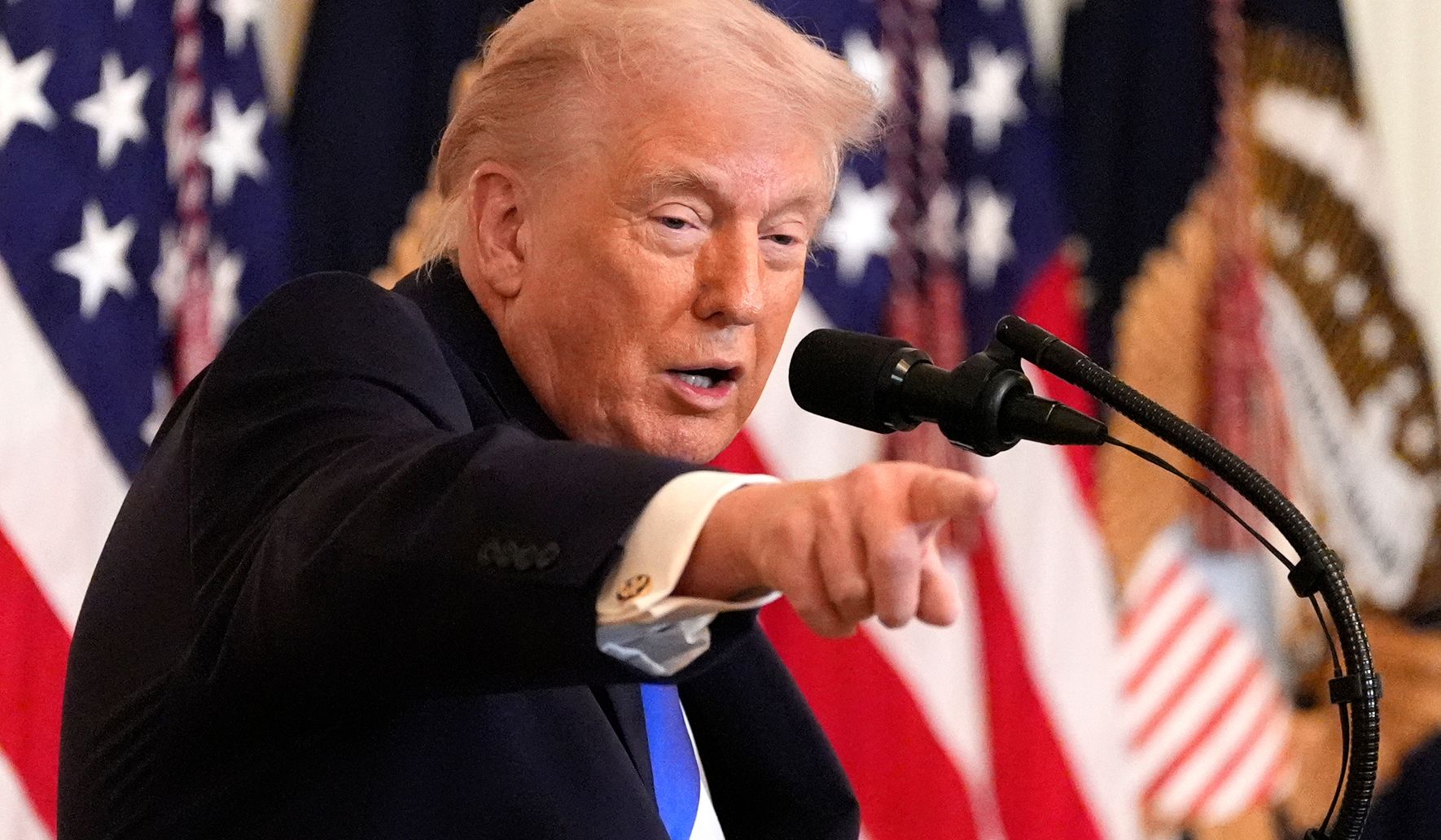
President Trump announced he will act unilaterally on tariffs and warned of tougher measures for countries he says manipulate trade, drawing a clear line on trade policy and executive authority.
President Trump said Monday he had no plans to consult Congress on new tariffs, and threatened even higher levies on countries that “play games” with existing trade deals. That statement signals a clear intention to use presidential trade authority as a primary tool rather than seeking legislative buy-in for each step. Supporters see this as decisive leadership that prioritizes American jobs and markets over slow congressional debate. Critics will argue it concentrates power, but the administration frames it as necessary leverage.
The core argument from a Republican standpoint is simple: trade must be reciprocal to be fair, and the president can move fast. When trading partners undercut American workers with unfair practices, tariffs become the blunt but effective instrument to reset terms. Acting without Congress lets the administration respond swiftly to cheating and to balance the global playing field. This approach values results and deterrence over the drawn-out compromises that often dilute policy impact.
Tariffs are not a novelty; they are a bargaining chip that forces negotiations to the table. By threatening higher levies, the administration aims to extract concessions that protect manufacturing and strategic industries. Those concessions can include better market access, stronger intellectual property protections, and stricter rules on subsidies. The hope among advocates is that a credible threat of tariffs compels trading partners to offer more meaningful reforms than polite diplomacy would.
Some argue constitutional separation of powers requires Congress to weigh in, and that is a legitimate institutional concern. But trade statutes already grant presidents authority to act in national security and in response to unfair trade practices, which is the route this administration favors. The Republican view tends to trust the executive to wield that authority decisively while using tariffs as a tool to produce tangible outcomes. The focus is on restoring balance, not on expanding long-term tariffs as a revenue source.
Another practical point is predictability versus pressure. Negotiators across industries respond to clear consequences, and uncertainty often favors those with lower labor and regulatory costs. By setting firm expectations and following through, the administration wants to create a new baseline for negotiations. That baseline is intended to reward countries that play by the rules and penalize those that use subsidies, dumping, or asymmetric regulations to gain advantage.
Businesses facing competition will welcome policies that aim to protect domestic capacity and supply chains. Manufacturers, farmers, and workers have felt the blunt edge of global competition for decades, and many see tariffs as a route to restore domestic investment. Critics will say tariffs increase costs for consumers, and that is a real tradeoff to manage. Proponents argue the long-term payoff is stronger wages, more resilient supply chains, and renewed industrial capacity.
The strategy also rests on a political calculation: voters respond to tangible actions that defend jobs and industries. For Republicans, being seen as the party that delivers economic security is central to messaging and elections. Swift use of tariffs fits that political frame, especially when paired with negotiations aimed at long-term structural changes in trade relationships. It is less about protectionism for protectionism’s sake and more about enforcing fairness in trade.
Implementation matters, and so do carve-outs and timelines that let companies adjust without sudden shocks. A policy that combines immediate leverage with a roadmap for phased adjustments can reduce economic disruption. The administration has argued that targeted tariffs and clear objectives deliver the pressure needed while preserving room for negotiated exits. That balance is what proponents say separates strategic trade policy from blunt retaliation.
Ultimately, this posture sends a message that the United States will not accept lopsided arrangements that hollow out core industries. The Republican perspective emphasizes agency, speed, and focus on outcomes rather than procedural checks that can stall action. Whether that approach proves effective will depend on diplomacy, trade partners’ responses, and careful calibration to limit harm to American consumers. For now, the administration is making its stance unmistakably clear and is prepared to follow through.

