

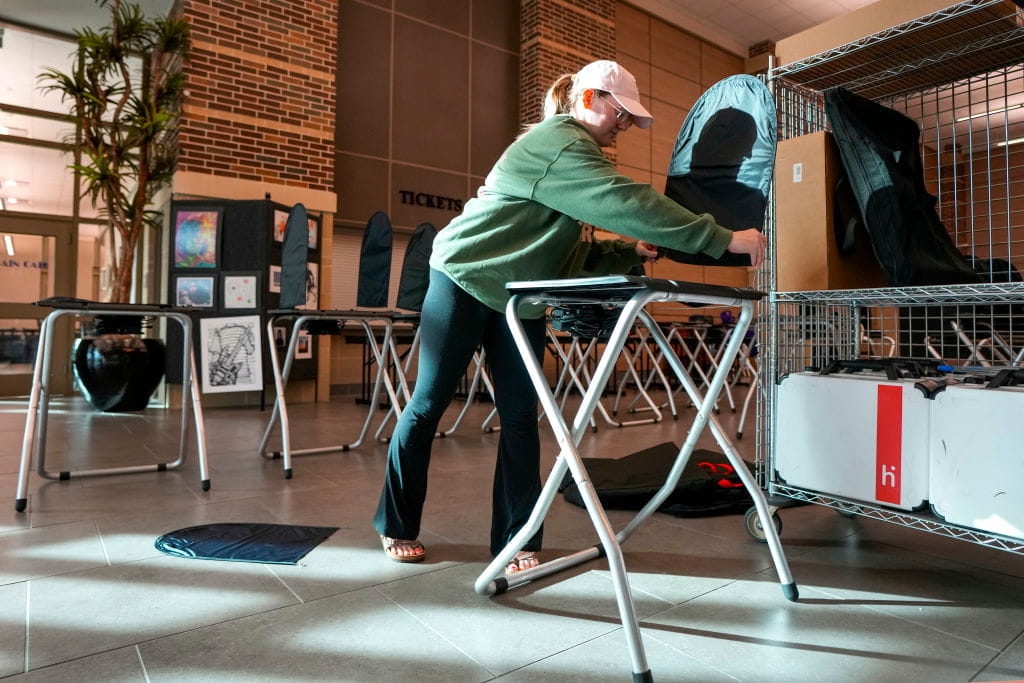
Democrats have surged in early voting one week into the Texas primary on March 3, even after the state secured a redistricting win that favored Republicans and survived a US Supreme Court challenge, with the Texas Secretary of State reporting early returns as of Feb. 24.
One week into early voting for the March 3 Texas primary, Democrats are posting unexpectedly strong numbers compared with Republican turnout. That trend is happening despite a high-stakes redistricting fight that ultimately favored Republicans and reached the US Supreme Court. As of Feb. 24, the Texas Secretary of State reported early voting totals that raised eyebrows among GOP strategists.
The redistricting victory was supposed to lock in an advantage for Republicans by drawing districts more favorable to conservative candidates. Instead, the early vote surge suggests a different dynamic: energized Democratic voters turning out in places where lines were redrawn. Republicans won that legal and political fight, but winning a map and winning votes are not the same thing.
For conservatives, the disconnect between legal wins and voter behavior is a wake-up call. A map that favors your party on paper helps, but it does not replace grassroots organization, local turnout operations, and clear messaging that persuades swing and independent voters. The GOP still controls the map, but this early data shows the other side can mobilize when it decides to.
Part of the Democratic advantage in early voting appears concentrated in urban and suburban centers where mail and in-person early ballots have been most active. Those areas often house the densest pools of Democratic voters and are more likely to produce concentrated bursts of turnout. Republicans have historically relied on Election Day turnout in more dispersed rural precincts, so a front-loaded surge by Democrats changes the tempo campaigns must adapt to.
Campaign veterans on the right are sounding practical alarms rather than panicking. They see the numbers as a signal to shift resources toward GOTV efforts and to protect the margins in battleground districts that the redistricting process handed to Republicans. The message from conservative operatives is straightforward: don’t assume the map does the work for you; double down on mobilizing supporters and persuading wavering voters.
Voter behavior in primaries can also be unpredictable, with different factions motivating their bases for intra-party fights. High early turnout for Democrats could reflect contested primaries heating up or an organized push to influence nominations, not just a general shift toward one party. For Republicans, that means watching both the numbers and the specific precinct patterns to understand where resources will matter most.
Looking ahead to March 3, the GOP’s task is clear: convert the structural advantage from redistricting into real votes by sharpening turnout plans and messaging. The early vote numbers are a reminder that political wins on paper need active follow-through at the ballot box. Campaigns from both parties will be watching the evolving totals and adjusting their tactics in real time as the state moves toward the primary.

