

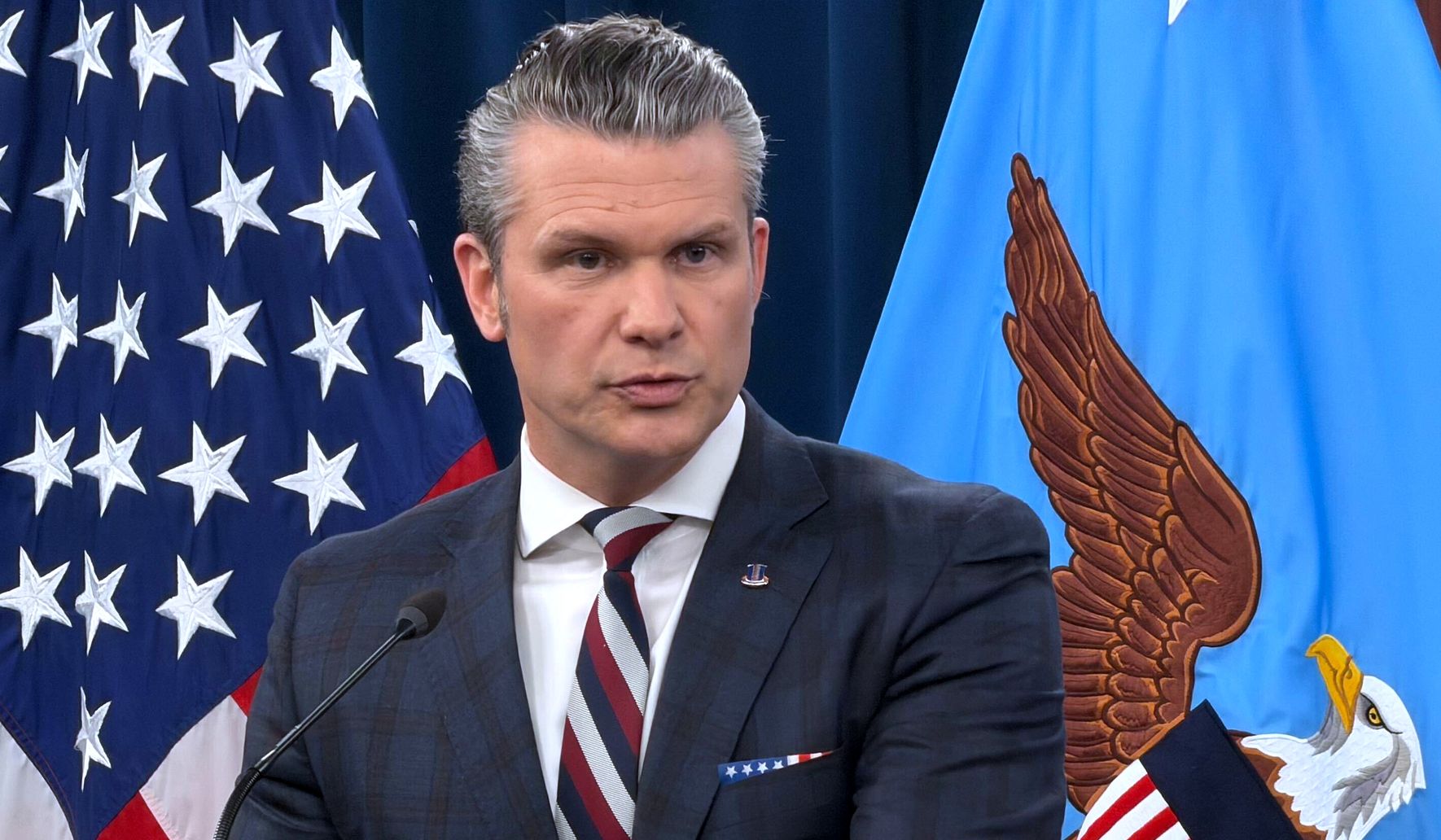
Secretary of Defense Pete Hegseth traveled to Florida on Thursday for meetings with senior military leaders to discuss pressing national security matters.
Secretary Hegseth made the trip to consult directly with commanders and staff, emphasizing hands-on leadership and rapid decision-making. The visit underscored the administration’s focus on clear lines of command and firm American posture abroad. It also served as a chance to review readiness and ensure the military has what it needs to deter aggression.
One clear priority has been the ongoing conflict in Iran, where the administration wants a posture that protects American interests without needlessly escalating. Military leaders and civilian leadership are aligning on deterrence strategies that keep our forces safe and our adversaries guessing. From diplomacy to defense posture, the goal is to apply pressure while avoiding a costly, open-ended ground war.
Hegseth’s conversations also covered force readiness and modernizing capabilities so troops can win decisively if required. That means sharpening training, sustaining equipment, and streamlining logistics so the force can surge when ordered. Republican leaders argue that strong deterrence starts with a visibly capable and well-funded military.
The trip highlighted the importance of working hand-in-glove with regional partners and allies who share concerns about Iran’s ambitions. Strengthening coalitions multiplies American influence without requiring unilateral, large-scale deployments. It’s a practical, conservative approach: build alliances, keep our footprint measured, and let partners bear proportionate responsibility.
Another consistent theme was accountability and clear leadership inside the Defense Department. Senior commanders want swift, decisive guidance from civilian leaders so policies translate cleanly into operational orders. Hegseth stressed that political leaders must support commanders on the ground and give them the tools and authority to succeed.
On the home front, Hegseth used the meetings to press for policies that protect service members and veterans, from timely care to improved transition support. Keeping faith with the people who wear the uniform is a top priority for the administration and a central Republican value. The secretary made it plain that readiness includes moral readiness to take care of troops after their service ends.
Fiscal discipline was part of the conversation too, with an emphasis on prioritizing investments that deliver tangible combat advantages. That means focusing procurement and R&D dollars on systems that keep the U.S. ahead in key domains, not on pet projects with little strategic return. Republicans argue that smart spending, not reckless cuts, maintains deterrence on a reasonable budgetary footing.
Hegseth’s Florida meetings were also a message to adversaries: the United States is organized, focused, and ready to protect its interests. Short, decisive engagements with commanders help avoid confusion and reinforce a consistent national strategy. In a world of rising threats, that cohesion matters more than ever.
The trip reinforced a simple principle the administration keeps returning to: preserve peace through strength and clarity. By meeting with senior leaders in person, Hegseth showed the kind of direct oversight the Pentagon needs to act swiftly when threats emerge. That posture aims to deter conflict and keep America secure without sacrificing prudence or principle.

