

President Donald Trump’s surprise joint attack on Iran shook markets and politics, drawing comparisons to earlier moves against Venezuela and raising hard questions about strategy, risk, and messaging.
Based on how oil markets were behaving in recent weeks, President Donald Trump’s surprise joint attack on Iran was unsurprising. The action landed fast and left allies and adversaries scrambling to read the new landscape. That speed exposed both strategic intent and diplomatic gaps in one sharp move.
The attacks in Tehran were marketed as an operation to wipe out the Islamic regime that, like Venezuela, posed a threat to the United States. That framing aimed to connect two foreign policy efforts under a single logic of decisive pressure. Supporters saw a clear chain of reasoning; skeptics raised questions about escalation and exit strategy.
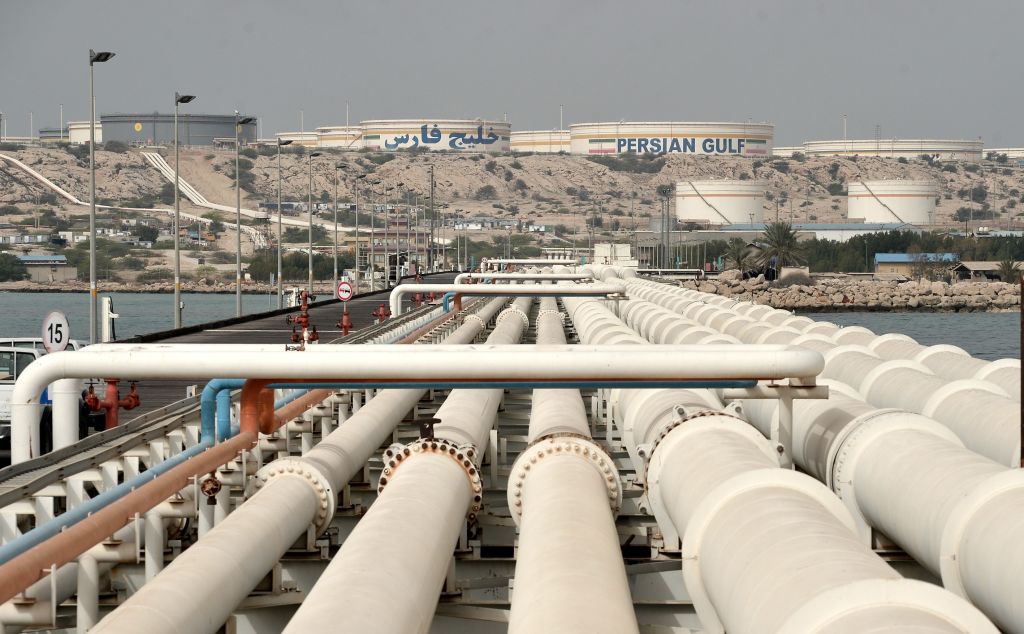
Oil traders reacted quickly because energy markets always signal risk before politicians do. Prices spike on uncertainty and on the prospect of disrupted supply, and that response matters to everyday Americans. For a Republican perspective, protecting energy security and punishing hostile regimes often justifies taking the fight to adversaries rather than waiting for threats to reach our shores.
There is real political theater in how this was presented, and presentation matters. The administration sold the move as necessary and focused, appealing to voters who prize strength and clarity. But theater cannot substitute for planning, and that gap is where critics will press their case.
Militarily, a joint operation suggests a higher level of coordination and risk acceptance than covert actions or sanctions alone. That alters how adversaries calculate, and it complicates the job of reassuring partners while deterring rivals. For conservative policymakers, the goal is simple: raise the cost for aggressors and defend American interests with conviction.
Domestically, the attack shifts the debate from long-term strategy to immediate outcomes. Members of Congress from both parties will demand briefings, votes, and public answers, while commentators parse whether the move was proportional or reckless. Republicans who back the action will emphasize the need for decisive measures to protect national security and American energy dominance.
There is also the diplomatic fallout to consider, and that will play out in capitals and on the margins of international institutions. Allies will weigh whether to endorse a risky course or to distance themselves, and that calculus will affect sanctions, intelligence sharing, and future coalitions. The administration will need to translate the initial shock into durable partnerships if it expects sustained pressure to work.
Economically, higher oil prices and market volatility are not abstract issues; they hit families and businesses. The Republican argument is that short-term pain can be acceptable if it prevents greater threats and secures long-term American advantages in energy and security. Opponents will counter that inflationary pressure and geopolitical instability undercut domestic priorities.
Information operations and narrative control have become as important as kinetic moves, and this operation was tailored with that in mind. Messaging framed the attack as a surgical response to clear dangers, seeking to limit backlash while signaling resolve. Yet spin only carries so far when real costs and consequences start to accumulate.
Ultimately, voters will judge outcomes, not slogans, and both political and policy leaders will be measured by what follows this strike. For those on the right, the calculus remains centered on deterrence, energy strength, and a willingness to act when national interests demand it. The next weeks will determine whether this surprise action becomes a decisive turn or a risky detour in a broader foreign policy path.

