

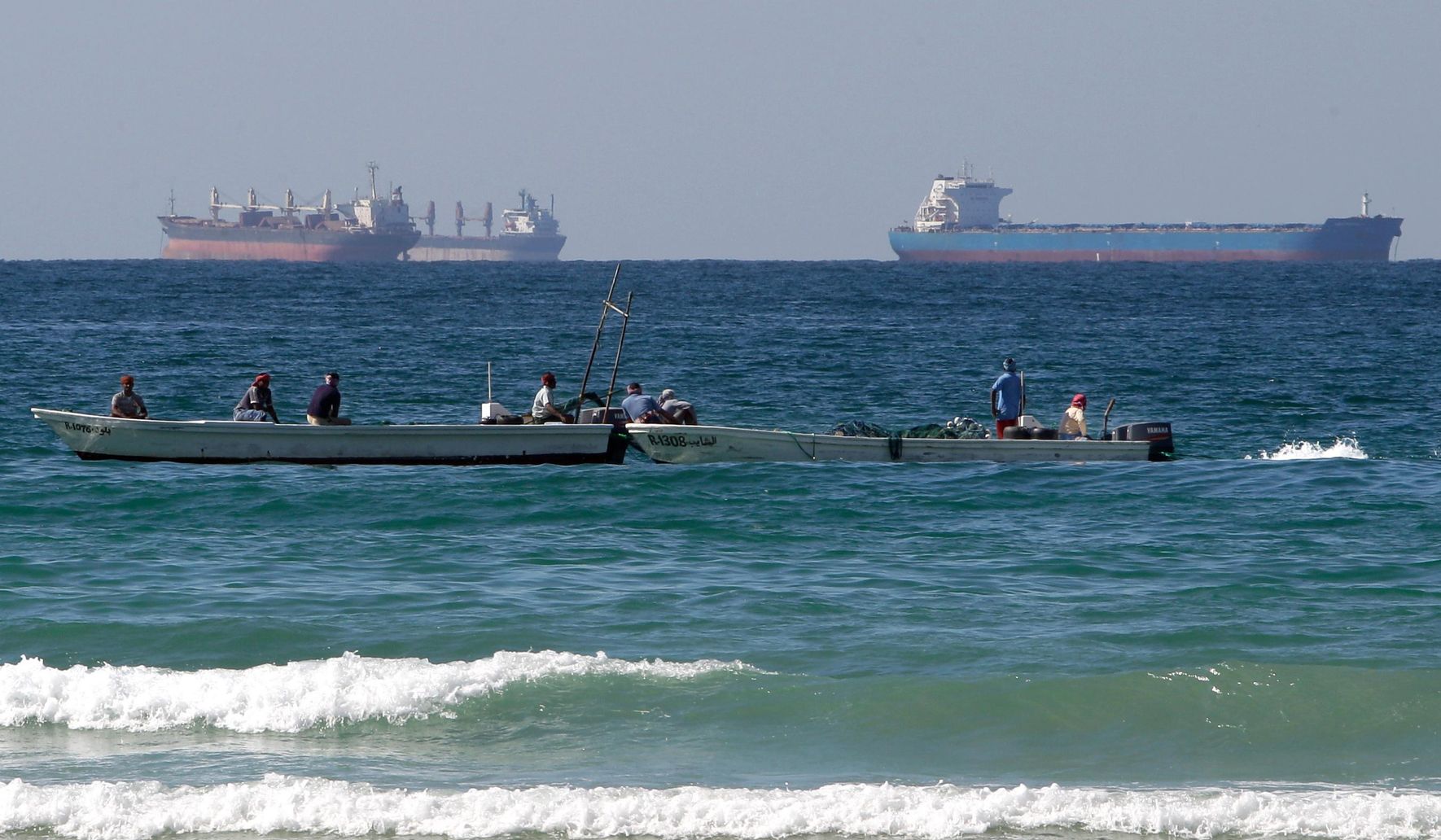
Energy Secretary Chris Wright said Sunday that an oil tanker has passed through the Strait of Hormuz, calling it an early sign that the crucial shipping route is starting to reopen.
The Strait of Hormuz is one of the world’s busiest chokepoints, where a large share of global oil shipments transit every day. Shipping firms, traders and governments watched recent developments closely after a period of heightened tensions and disruptions. For many, the movement of a tanker through the passage feels like the first real sign of normalizing traffic, even if risks remain.
Energy Secretary Chris Wright said Sunday that an oil tanker has passed through the Strait of Hormuz, calling it an early sign that the crucial shipping route is starting to reopen. He framed the transit as a modest but meaningful indicator that commercial lanes may be recovering after interruptions. Officials are stressing caution, saying one passage does not erase weeks of logistical headaches and elevated insurance costs.
Maritime insurers and operators have been adapting to a short-term spike in risk premiums and the need for alternate routing during the disruption. That has translated into higher costs for shippers and, in some cases, temporary delays as vessels sought safer corridors or waited for escorts. Even with a single tanker transit, those operational bumps do not disappear overnight and market watchers are looking for sustained patterns.
Oil traders reacted to the news with muted optimism, since any durable reopening of the strait could ease near-term supply worries and lower volatility. Spot markets often move on perception as much as fundamentals, so confirmation of regular traffic will be needed to make a lasting dent in elevated prices. Analysts point out that a handful of confirmed transits over several days will carry more weight than isolated reports.
Regional naval deployments and diplomatic channels are playing a role in turning the corner toward safer passage, according to officials familiar with the situation. Coordination between commercial operators and military escorts has been a stopgap solution, helping some tankers move while governments work on longer-term guarantees. Still, naval presence does not eliminate risks and cannot replace stable political arrangements that underpin safe navigation.
Shippers and charterers are balancing the desire to return to standard routes with the reality of higher operating expenses and unpredictable windows of safety. Many operators are reassessing contracts and voyage plans, weighing whether to resume regular schedules or continue to use alternative corridors. The economics of shipping mean decisions will be taken case by case, influenced by freight rates, transit times and insurance terms.
Market participants are watching for confirmation from multiple independent sources that traffic is resuming on a reliable basis. Regulators and industry groups are also tracking near-term flows to assess impacts on regional supply chains and downstream fuel availability. Until more transits are logged, businesses will likely plan for constraints even as they welcome the first signs of reopening.

