

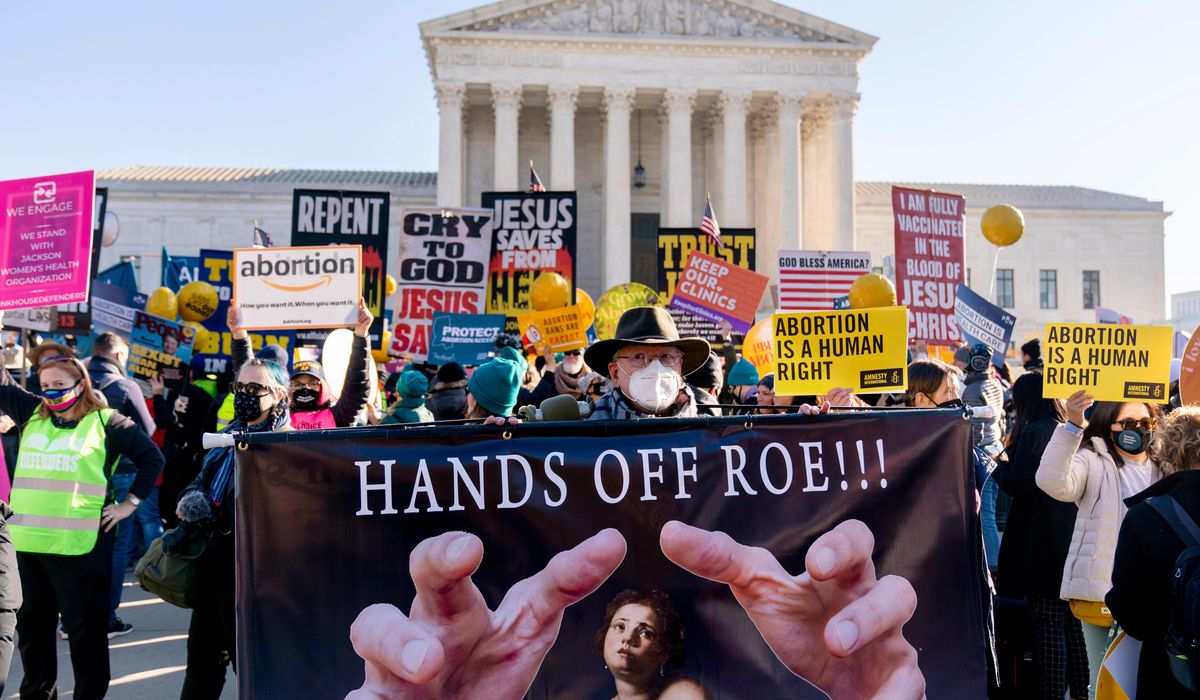
Planned Parenthood and two smaller regional abortion providers have begun billing Medicaid again for services other than abortion after being blocked from doing so for most of a year.
This restart of Medicaid billing raises clear questions about oversight and taxpayer safeguards. State authorities cut off those billing privileges for nearly a year, and now the organizations are back in the Medicaid system for non-abortion care. That shift demands transparency about what changed and why billing was allowed again.
From a conservative perspective, taxpayer dollars should never be treated as an automatic funding stream for politically charged providers. When a government program suspends payments, it must explain the specific failures that led to the action and the concrete steps taken to fix them. Voters deserve that detail so they can judge whether the fix was adequate or merely procedural paperwork.
Medicaid covers a wide range of primary and preventive services, from cancer screenings to sexually transmitted infection testing. Allowing organizations to access those funds without clear, public audits creates a steady flow of taxpayer money with limited accountability. Lawmakers and regulators should ensure billing complies with program rules and that every claim is properly documented.
There is also a patient care angle that gets overlooked in funding debates. Cutting off billing can disrupt services for low-income patients who rely on Medicaid. Policymakers must balance fiscal responsibility with the need to protect vulnerable people who depend on routine medical care.
That balance starts with audits and conditional approvals that are transparent and enforceable. If a provider is reinstated, the terms should be spelled out in public, including specific compliance benchmarks and a timeline for re-evaluation. Without those guardrails, reinstatement looks like a return to the status quo rather than a fix.
Another concern is the mix of services under a single organizational umbrella. When an entity offers both abortion and non-abortion care, it blurs lines that many taxpayers see as important. States should implement strict accounting and service separation so Medicaid pays only for covered, non-abortion services without cross-subsidies or shared billing that could obscure the use of funds.
Republican officials typically push for enhanced oversight and local control in these situations. That approach emphasizes audits, statutory clarity, and direct reporting to state legislatures. It also encourages alternatives such as funding community health centers that provide similar care while operating under tighter public supervision.
Practical steps can reduce the friction between oversight and patient access. Clear guidance on permissible billing codes, frequent claims reviews, and spot audits help catch errors early. When problems are found, graduated penalties and mandatory corrective action plans work better than prolonged, blanket suspensions that hurt patients.
Transparency is the key political demand here. Publishing the rationale for the initial cutoffs, the evidence used to assess compliance, and the conditions for reinstatement would let taxpayers see how their money is being spent. That record should be detailed and accessible so the public can weigh whether reinstatement was justified.
At the same time, protecting Medicaid beneficiaries is non-negotiable. Regulators can design oversight that minimizes harm to patients while they sort out provider compliance. The goal should be a Medicaid system that is fiscally responsible, legally sound, and committed to serving the poorest Americans.
Resuming billing is not the end of the story. It should be the start of stricter accountability, clearer rules, and regular reporting so taxpayers and patients alike can trust the program. Any future decisions should be driven by evidence, compliance, and the public interest above political considerations.

